Giving important details somewhere to land
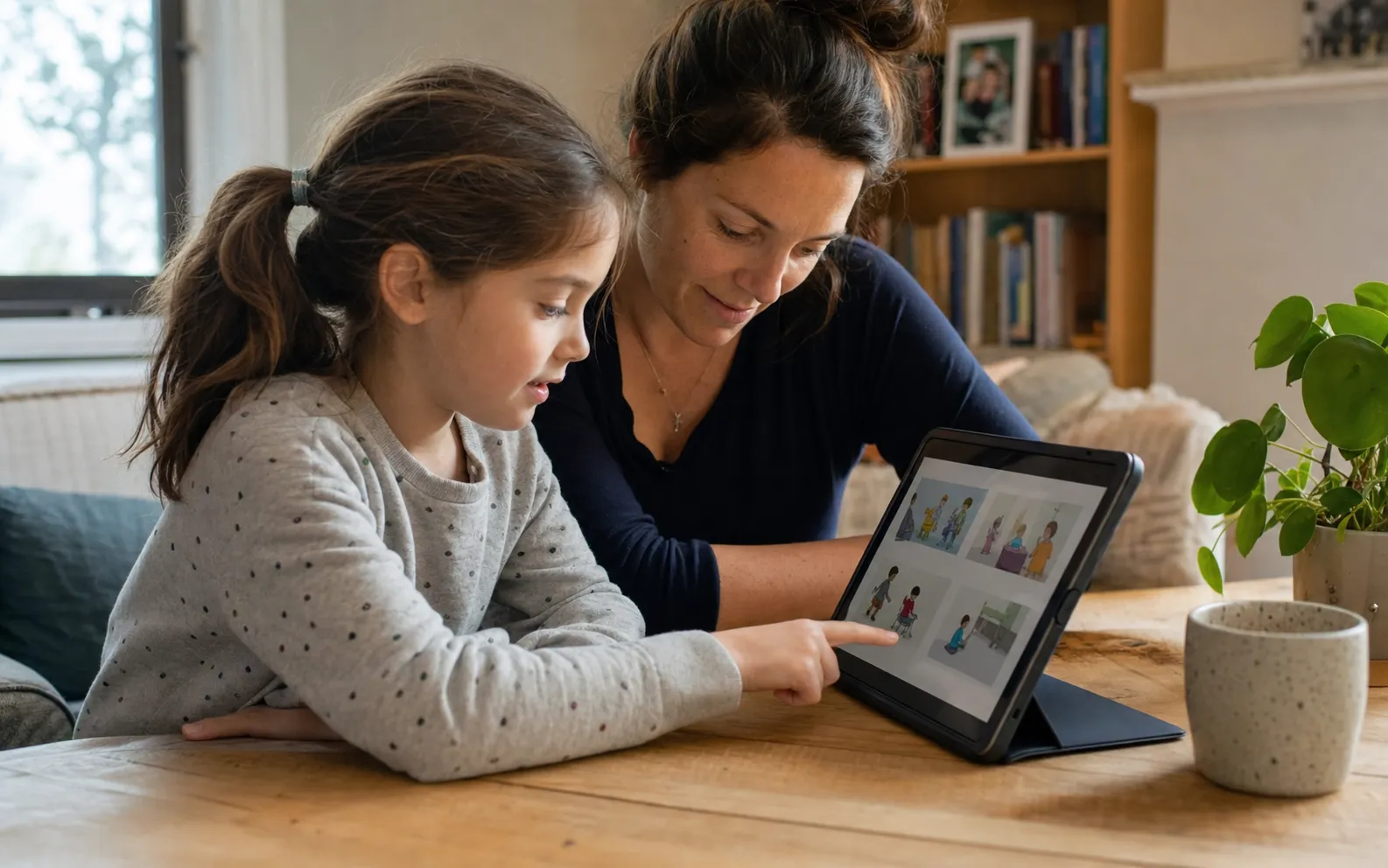
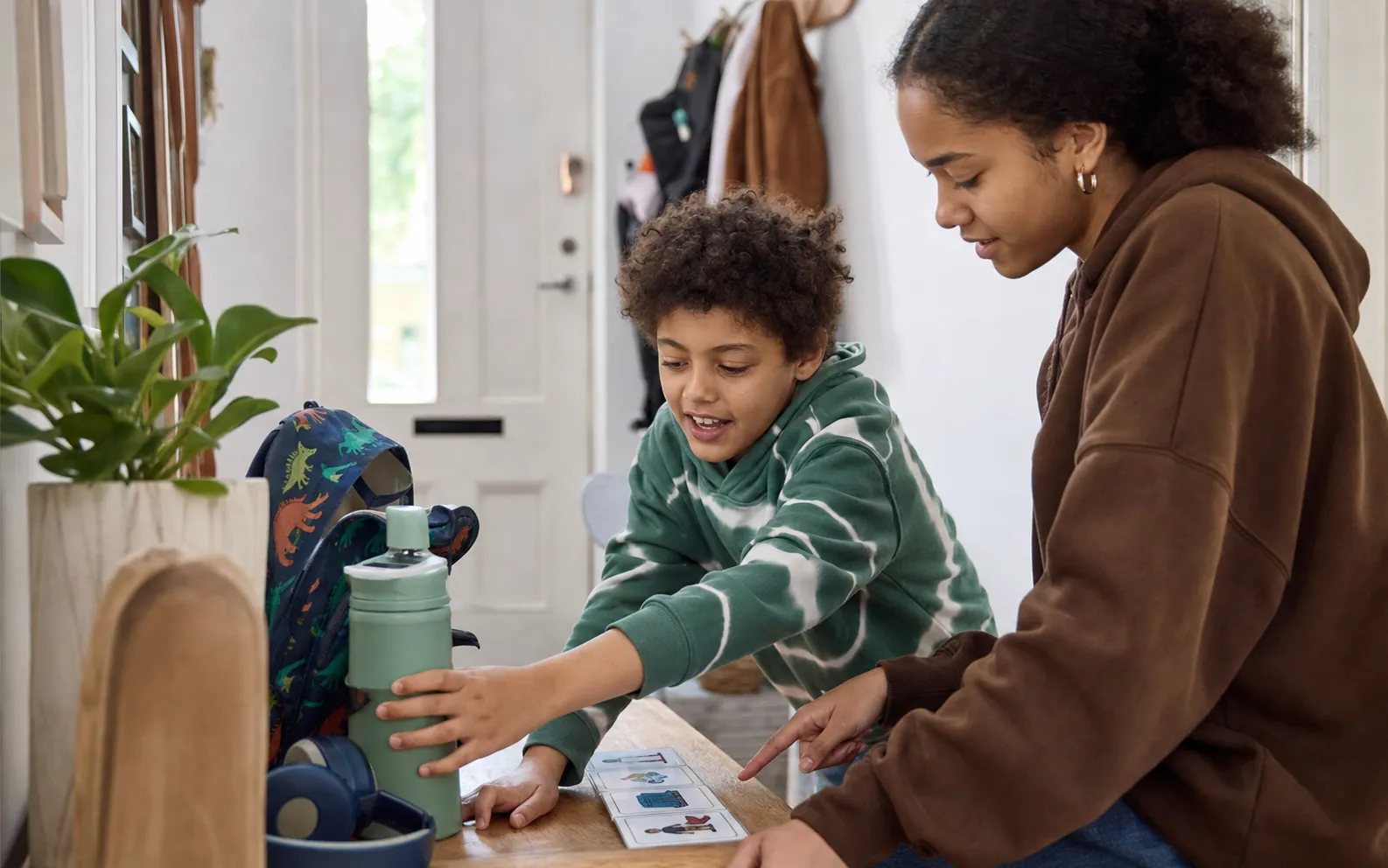
An upcoming activity can contain a lot to hold at once: where to go, what to bring, who will be there, when to wait and what happens next. For some children with ADHD, a short, personalised story can make the few most useful details easier to return to before the situation begins. It can support preparation without asking a child to remember a long set of instructions.
Instead of trying to account for everything, the story can concentrate on the landmarks that help the child orient themselves: the first step after arriving, the person to look for, the item that needs to come along and the point when the activity will end. A child may prefer to read it in small parts, return to one page before leaving or keep a simple version nearby. The rhythm can be adapted to what helps that child take in information.
Naming transitions, waiting and resets
Moving between activities, waiting for a turn or responding to a changed plan can take extra energy. A story can honestly include those moments and connect them to the wider sequence: what is happening now, what may happen next and where a child can find support. It can also make a pause, movement, a snack or time with a trusted adult feel like an available option rather than a failure to participate.
This is especially useful when the demanding part is not the main event but the gap around it: waiting in a car, packing up after a game, moving from one room to another or hearing that the plan has shifted. A story can name a realistic reset without turning it into a reward or consequence. It can simply make clear that there is a place to regroup, a person to ask, and another opportunity to look at what comes next.
Built around the child, not a checklist
ADHD looks different from child to child and from one setting to another. One child may want help focusing on a journey, while another may want to know how long a wait might last or what they can do while waiting. Personalised stories do not treat ADHD; they are a flexible way to make one real situation more understandable and discussable.
The story also does not need to be perfect on the first try. Families can notice afterwards which details were useful and which were missing, then make the next version shorter, clearer or more visual. That makes it a practical preparation tool rather than another demand placed on the child. Its role is to support shared planning around a real moment, while respecting the child's interests, energy and choices.
Coming soon for iPhone and iPad
Be among the first to try a more personal way to prepare.
Join the waiting list for launch news and early access to a tool that helps shape a story around your child’s own questions, communication, sensory experiences and available support.
Join the waiting list