Making an unfamiliar situation easier to read
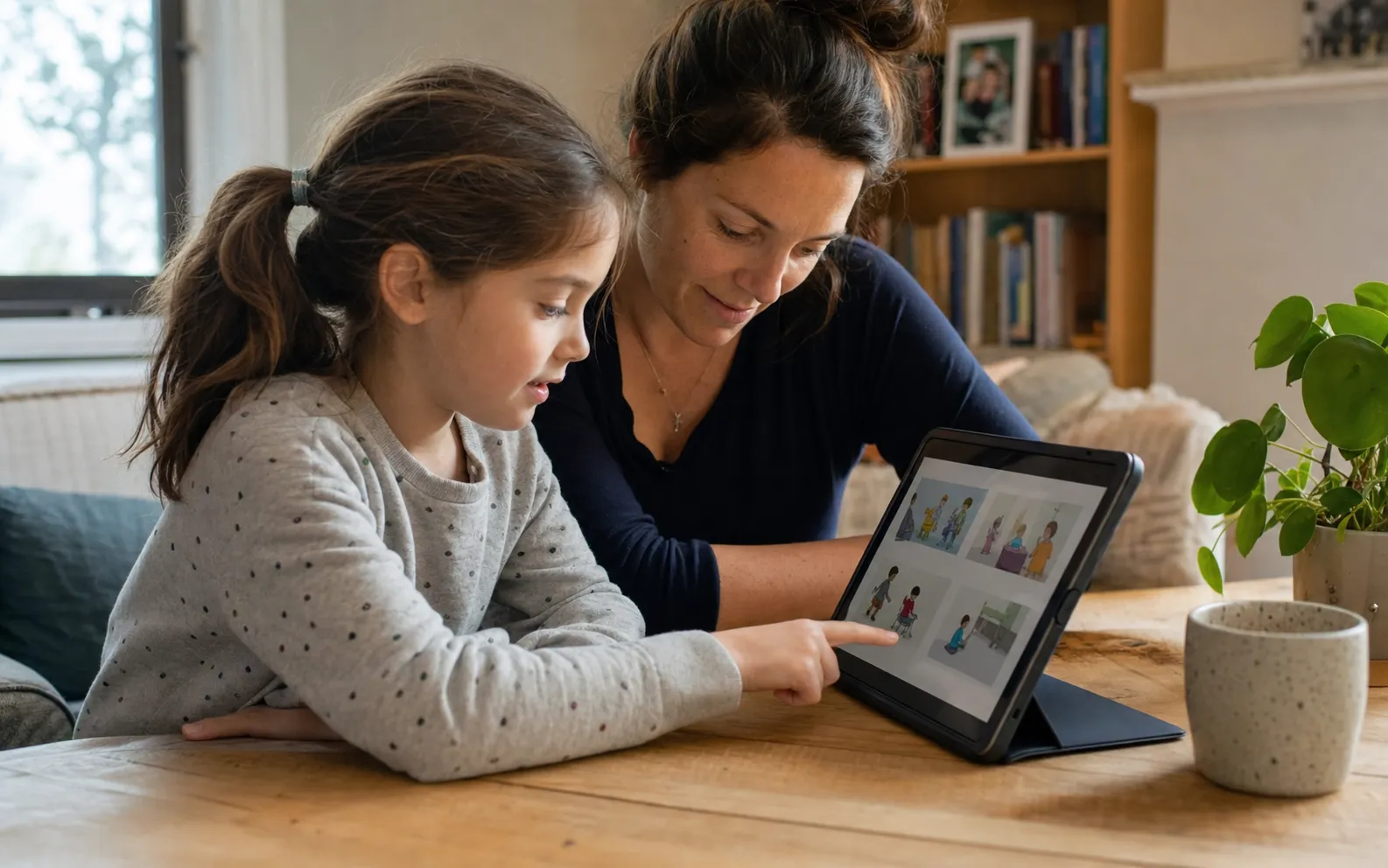
For some autistic children, the hardest part of an upcoming event is not the event itself but the information other people seem to know without saying: who will be there, what a room is for, what a phrase means or what is optional. A personalised story can make those social and practical details visible in plain, respectful language. It can describe possible roles and choices without prescribing a 'right' response.
That might mean explaining that a teacher may speak to a whole group before speaking to one child, that there may be a queue without anyone having to talk in it, or that watching for a while is a valid way to arrive. The story can use familiar names, photographs or wording the child already understands. It gives adults a chance to notice which assumptions need explaining, rather than expecting the child to work them out in a busy moment.
Including the details that shape the experience
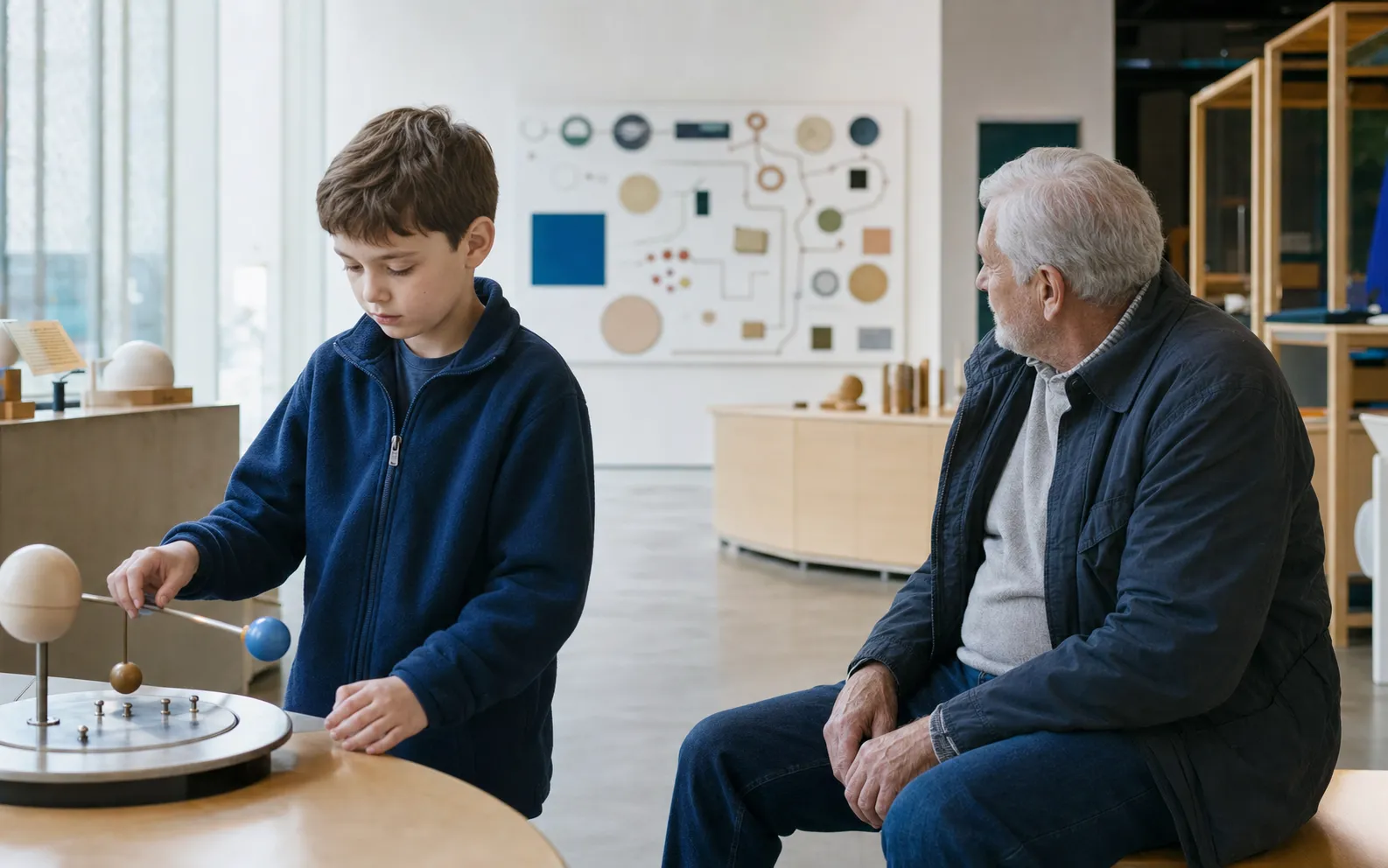
Sensory input, communication style, familiar routines and personal interests can all shape how a child experiences the same situation. A useful story can name the sounds, touch, waiting, people and changes that genuinely matter to that child, alongside support that is actually available. It can make room for watching first, asking a question, using a preferred way of communicating or taking a break.
The most relevant detail may be surprisingly small: a hand dryer near the entrance, an unfamiliar greeting, a favourite topic that can help start a conversation, or the fact that a trusted adult will be nearby. When these details come from the child and the people who know them well, the story feels less like generic information. It becomes a shared picture of one experience, with room to change it after the child has tried it.
A tool for understanding, not changing the child
The value of a personalised story is in shared understanding: it can help a child prepare in their own time and help adults notice what needs explaining. It is not a treatment for autism or a way to make a child appear less autistic. The story should be revisited, updated and used alongside any support the child and family already find helpful.
Reading it together can also open an unhurried conversation: which part seems clear, which part raises a question, and what would make the situation feel more manageable? Sometimes the most useful outcome is not that the child feels a particular way, but that the adults make a better plan. The child's perspective remains the guide, including when they would rather not take part in every element of an event.
Coming soon for iPhone and iPad
Be among the first to try a more personal way to prepare.
Join the waiting list for launch news and early access to a tool that helps shape a story around your child’s own questions, communication, sensory experiences and available support.
Join the waiting list