A change can feel larger than it looks
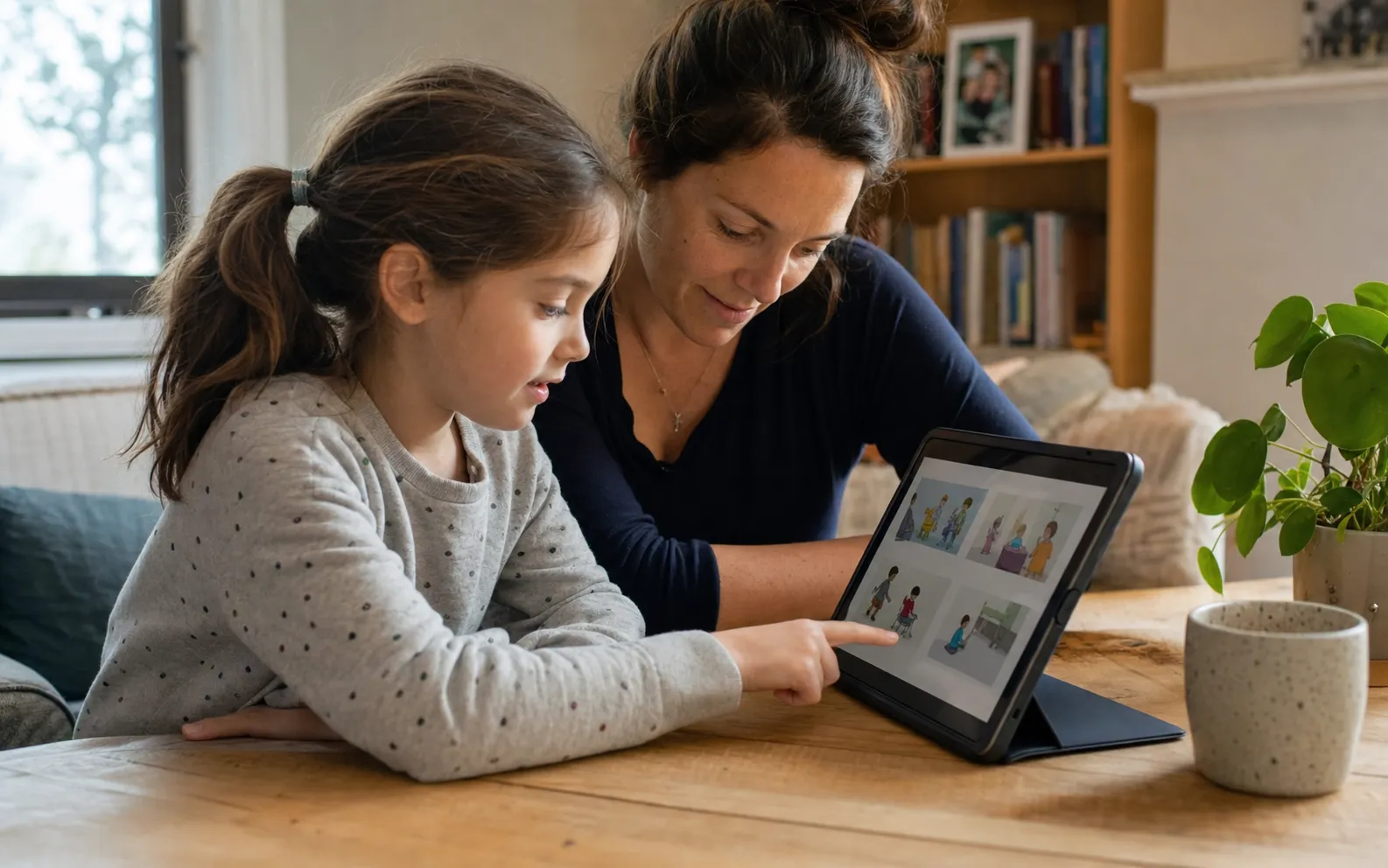
A different route, person, time or order of events can affect much more of a child's day than adults expect. A personalised story can make the change specific: what is different, when it begins, who will be there and what will stay familiar. This can give the child something concrete to return to instead of asking them to make sense of a sudden shift in the moment.
A change may look small on an adult calendar but alter the journey, food, pickup, usual companion or time to rest. The child may be trying to understand all of those effects at once. A story can take the change apart into understandable pieces, making it easier to identify which part needs the most explanation rather than treating the whole response as resistance to something new.
Preparing honestly for what may vary
The story does not need to pretend that every detail is known. It can use clear, conditional language for parts that may change and name what happens if the plan moves again. It can include a trusted adult, a chance to look at the plan again, extra time or a familiar object when those supports are genuinely available.
It may help to include a simple phrase a child will hear, such as 'the plan is different today', and what that means in practice. If a replacement adult is involved, the story can name them; if the route changes, it can show the new starting point. This kind of specificity gives the child a way to recognise the change when it happens, while still acknowledging that not every detail can be settled in advance.
Letting the child help shape the plan
Children may have strong insight into which part of a change matters most to them. Involving them in the story can uncover useful questions and choices, then allow the story to be updated after the transition. It is a way to prepare together, not a way to demand that a child welcomes a change.
One child may be most concerned about saying goodbye to a familiar teacher, another about a different lunchtime, and another about not knowing where to wait. These concerns can guide the content more effectively than a general explanation. Revisiting the story afterwards also lets the child correct the adult version of events. Their own observations can shape the next plan and help trusted adults respond with more attention.
Coming soon for iPhone and iPad
Be among the first to try a more personal way to prepare.
Join the waiting list for launch news and early access to a tool that helps shape a story around your child’s own questions, communication, sensory experiences and available support.
Join the waiting list