Looking at demand before it builds
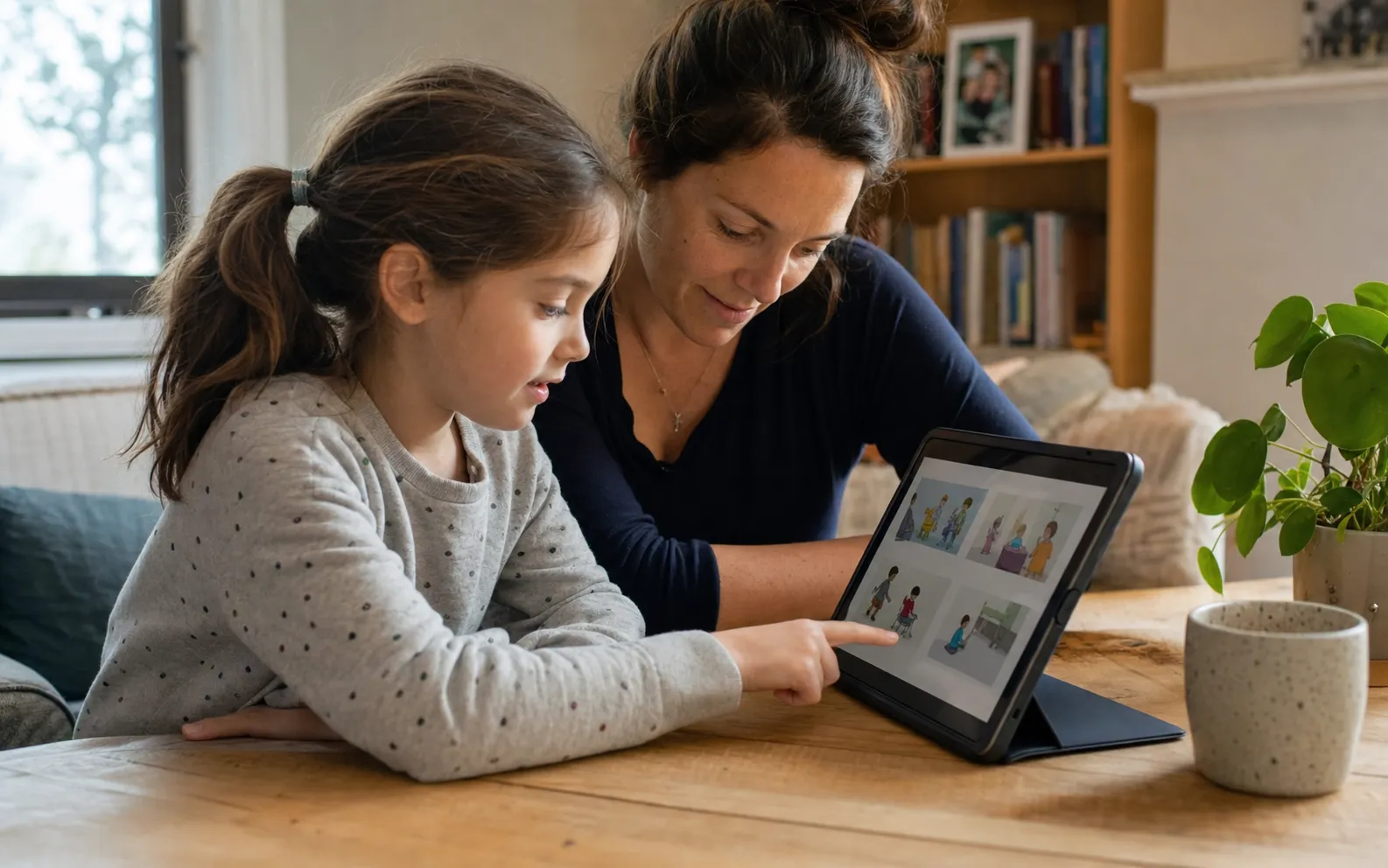
Strong feelings can build when a situation brings too much at once: unfamiliar people, noise, waiting, disappointment, a difficult task or a sudden change. A personalised story can help a child and adult notice these possible demands before the event. It can describe the situation with care, without treating the child's feelings or reactions as a problem to be fixed.
Sometimes the demand is obvious, such as a crowded celebration, and sometimes it is a sequence of smaller things: a rushed morning, a long journey, a new instruction and no quiet moment in between. A story can describe those parts one by one, inviting the child to notice what they might need. This makes room for feelings as information about the situation, rather than evidence that the child has done something wrong.
Naming support before it is needed
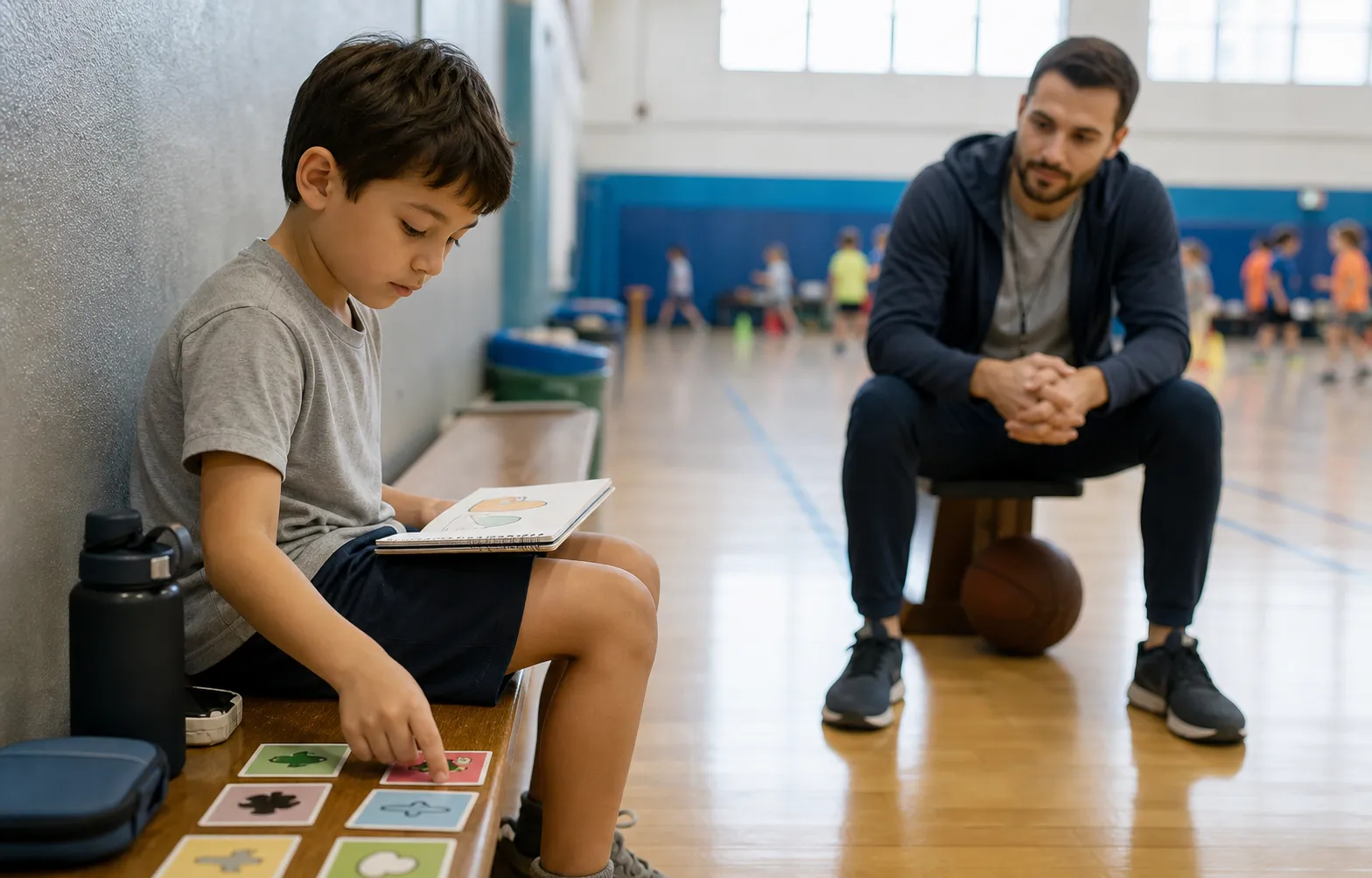
The most helpful story includes support that exists in the real setting, such as time away from a group, a quiet place, a drink, a familiar adult, a communication tool or the option to try again later. It can help adults focus on reducing unnecessary demands and making support easier to access, rather than waiting until a child is already overwhelmed.
The details should be as concrete as possible: where the quiet place is, who can be approached, how the child can signal they need help, or what can be skipped if there is too much happening. A child might prefer to look at a picture, use a device, move their body, sit beside someone familiar or leave early. Writing those possibilities into the story can help everyone recognise support as part of the plan from the start.
Respecting the child's experience
Children have different ways of showing and moving through emotion, and the same child may need different support in different places. A personalised narrative is not emotional-regulation treatment or a behaviour programme. It is a respectful way to prepare for one situation and to build a shared understanding of what may help.
Afterwards, the story can be revisited without judging how the child responded. A family might add a detail that helped, remove one that did not, or plan for more space next time. This keeps the focus on relationship, observation and practical support. It can complement the strategies and professional help already in place, while remaining centred on the child's lived experience of a particular situation.
Coming soon for iPhone and iPad
Be among the first to try a more personal way to prepare.
Join the waiting list for launch news and early access to a tool that helps shape a story around your child’s own questions, communication, sensory experiences and available support.
Join the waiting list