The sensory part can be the most important part
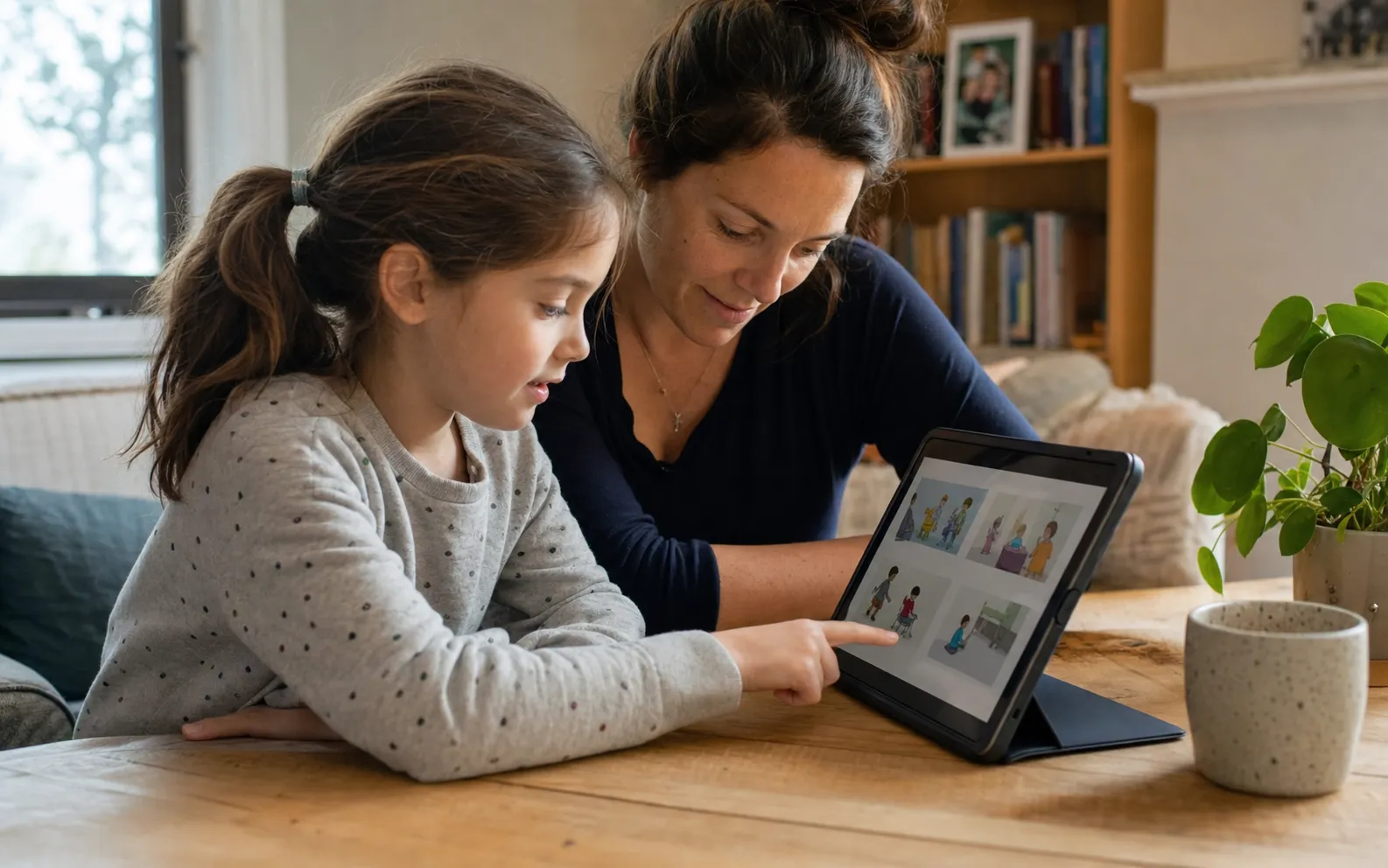
A situation that seems simple on paper can feel intense, uncomfortable or unfamiliar because of its sound, brightness, movement, smell, texture, touch or crowds. A personalised story can name those details before they happen in calm, neutral language. The purpose is not to frame a sensory response as something to overcome, but to make it easier for a child and adult to recognise and talk about.
For example, a visit may include an echoing hallway, a scratchy paper sheet, the smell of food, a warm crowded bus or a hand dryer that starts without warning. Another child might enjoy the movement, pressure or visual pattern in the same setting. A story can give those possibilities a place before the situation begins, so the child does not have to find all the words in the moment.
Turning preferences into practical preparation
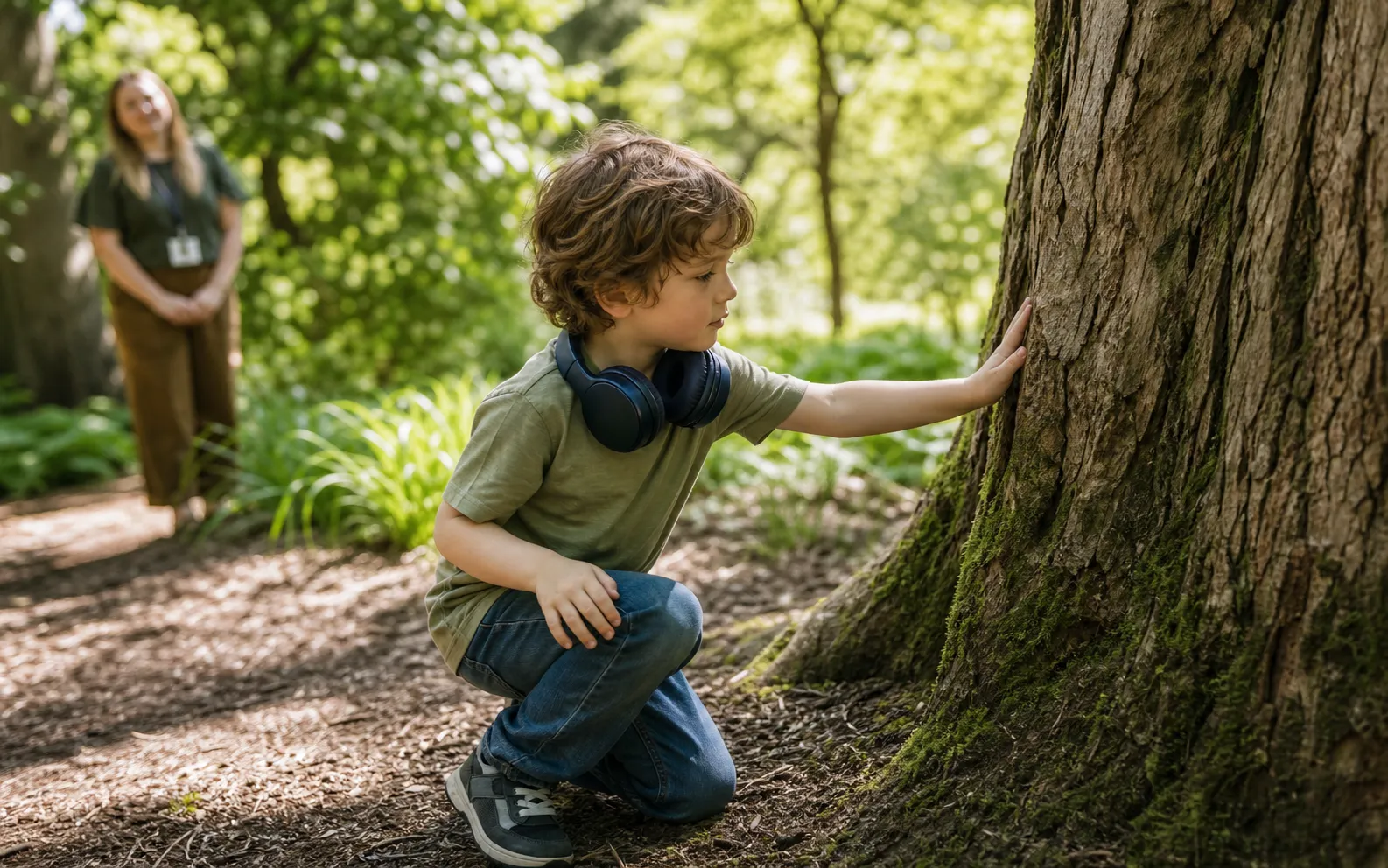
Personalisation makes the difference. The story can include what a particular place may feel like and the support that will really be available, such as headphones, a familiar item, a chosen seat, more space, a quieter route or a pause. It can also name sensory experiences a child enjoys or seeks out, rather than focusing only on what may be difficult.
It helps to be precise about the options rather than making broad promises. If there is a quiet waiting area, a child can know where it is; if a particular tool makes a noise, the story can say that an adult can show it first. The child may also choose a preferred layer of clothing, a snack, a movement break or a way to leave a space. These are practical details that allow the story to reflect the child's real sensory profile and real environment.
Useful across many different profiles
Sensory differences are not limited to one diagnosis and can vary with sleep, emotion, environment and company. A personalised story is one preparatory tool that can be adjusted after a visit with what the child noticed. It does not replace professional advice when sensory experiences are affecting everyday life or wellbeing.
A first visit may reveal something that nobody anticipated, and that information is valuable for the next story. Families can add the child's own observations, whether that is 'the room was brighter than I thought' or 'I liked waiting by the window'. This keeps the focus on understanding and accommodation. Where sensory experiences are consistently affecting a child's wellbeing or daily life, the story can sit alongside guidance from the professionals involved in their care.
Coming soon for iPhone and iPad
Be among the first to try a more personal way to prepare.
Join the waiting list for launch news and early access to a tool that helps shape a story around your child’s own questions, communication, sensory experiences and available support.
Join the waiting list