A tooth-brushing routine can feel much bigger than it looks
Brushing teeth is often described as a small part of the day, but it asks a child to move into the bathroom, stand near a sink, use objects in and around their mouth and stay with a repeated sequence. A child may be completely willing to care for their teeth while still finding the taste, texture, timing or close-up sensation hard to manage.
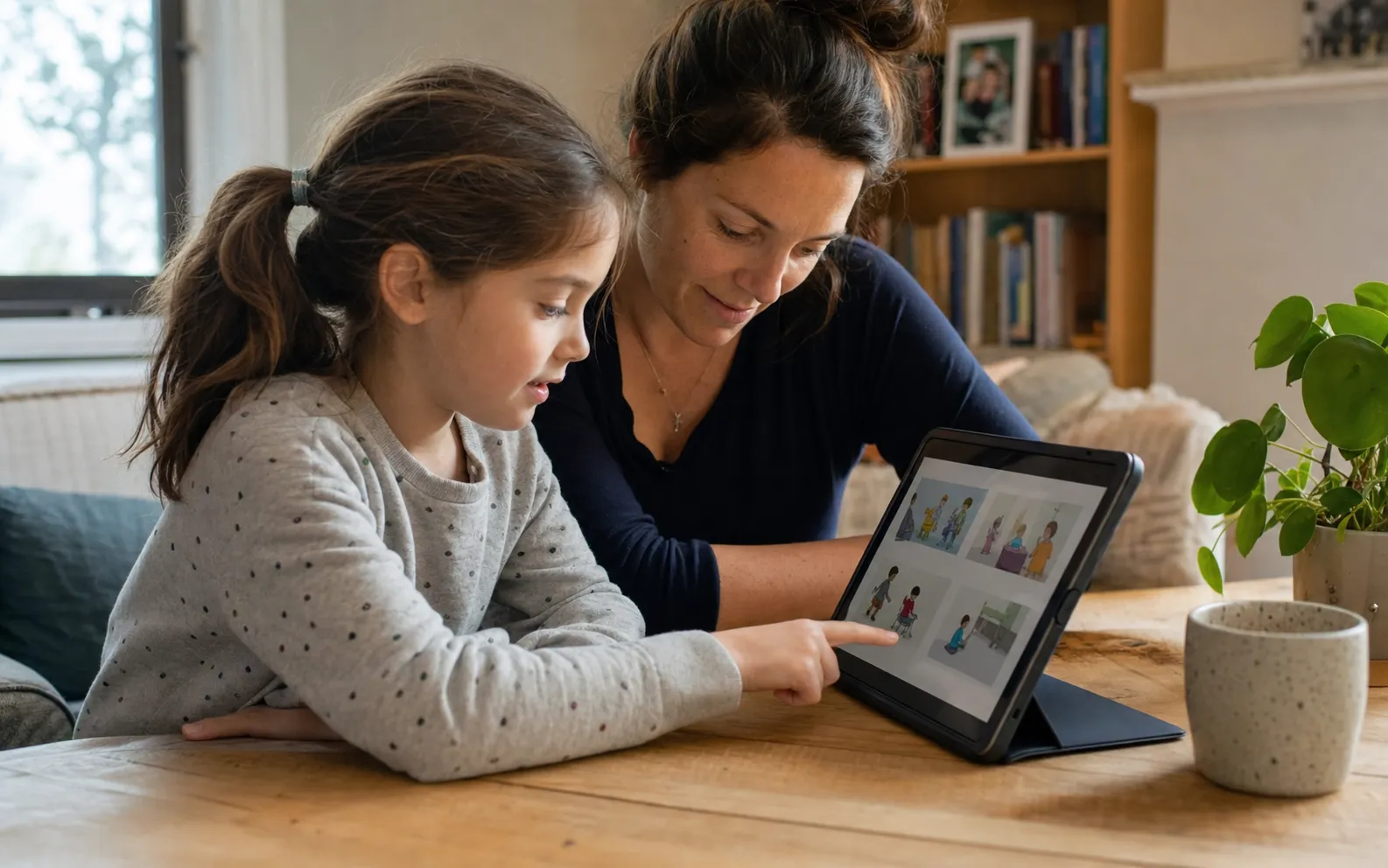
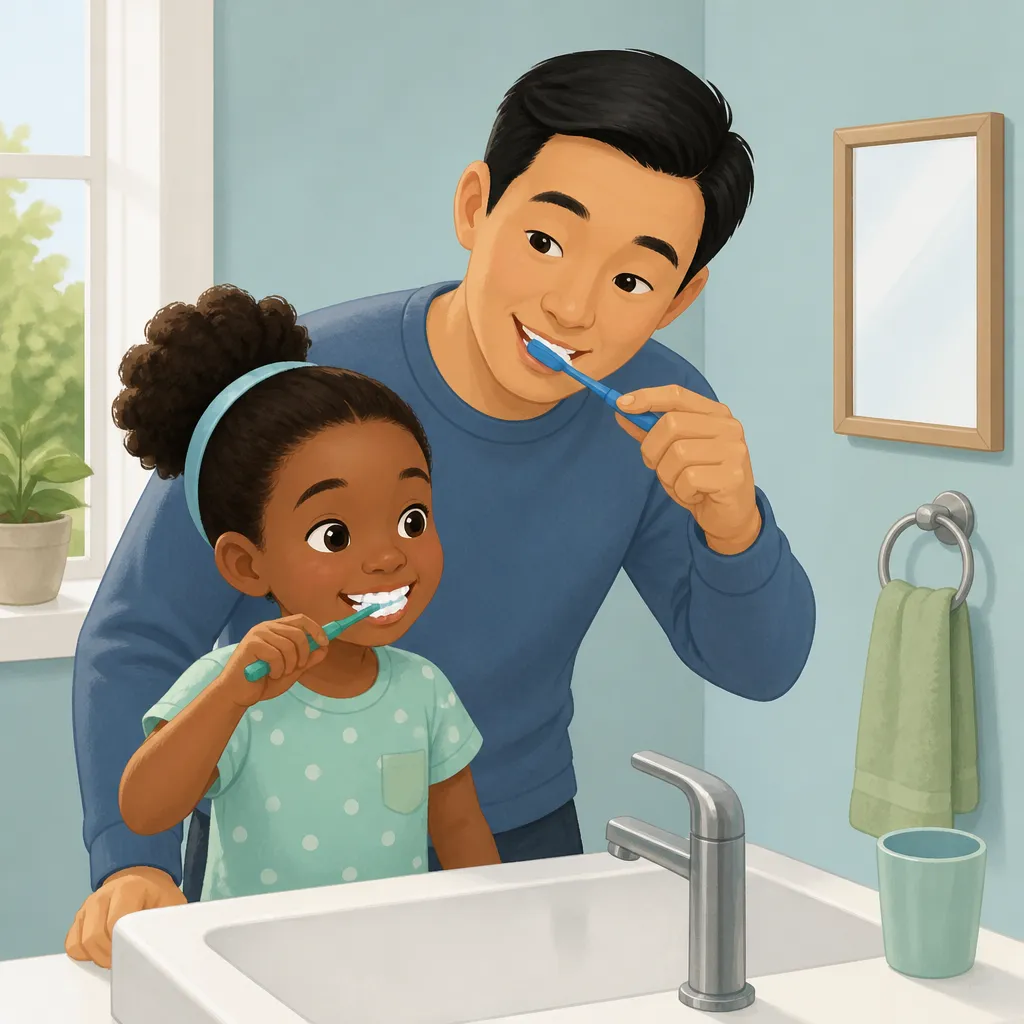
A personalised story can begin with the real version of the routine at home: the bathroom, the toothbrush, toothpaste and the adult or child who starts it. This makes it a guide to one familiar experience rather than a general lesson about what children ought to do.
Taste, texture and movement are useful information
Mint flavour, foam, a wet brush, bristles on the gums, an electric toothbrush sound or water near the face can each change how brushing feels. Sensory differences are individual, so a story should not assume that every child dislikes the same thing. It can simply name the sensations that this child notices and the products they already use.
Where there are real choices, the story can include them: a familiar toothbrush, a particular flavour, a short pause, a different order or an adult showing the next step. It should not promise that an option is available if it is not. Honest detail helps the child know what they can expect and helps adults notice which part of the routine needs adjustment.
The sequence can be short, clear and adaptable
Some children want to see every step: picking up the brush, adding toothpaste, brushing one area at a time, spitting, rinsing and putting items away. Others prefer a shorter picture of what happens now and what happens next. A useful preparation story matches the child’s attention, language and need for detail rather than forcing one format.
If a particular step is difficult, it can be described without judgement. A child might need more time before putting the brush in their mouth, want to brush one section at a time or use a visual timer. The purpose is not to turn the story into a compliance chart; it is to support a shared, workable routine.
The child can shape the next version
After brushing, adults can ask what the child noticed without treating the answer as a score. Perhaps the new toothpaste was too strong, the water temperature mattered, or the routine felt easier when an adult brushed alongside them. Those observations can make the next personalised narrative more accurate.
A close-up body-care routine deserves the same care as a bigger appointment or outing. When the child’s preferences are treated as useful information, brushing teeth can become easier to discuss and plan together.
How it can help
Related support topics
Some families start from the situation; others start from the wider support need. These pages explore the same idea from that angle.
Turn this guide into a story
Create a story your child can recognise.
Bring the details that matter together in one personalised story: where your child is going, who may be there, what may happen, and which choices or support are genuinely available.
Join the waiting list