Preparing for the dentist before the appointment begins
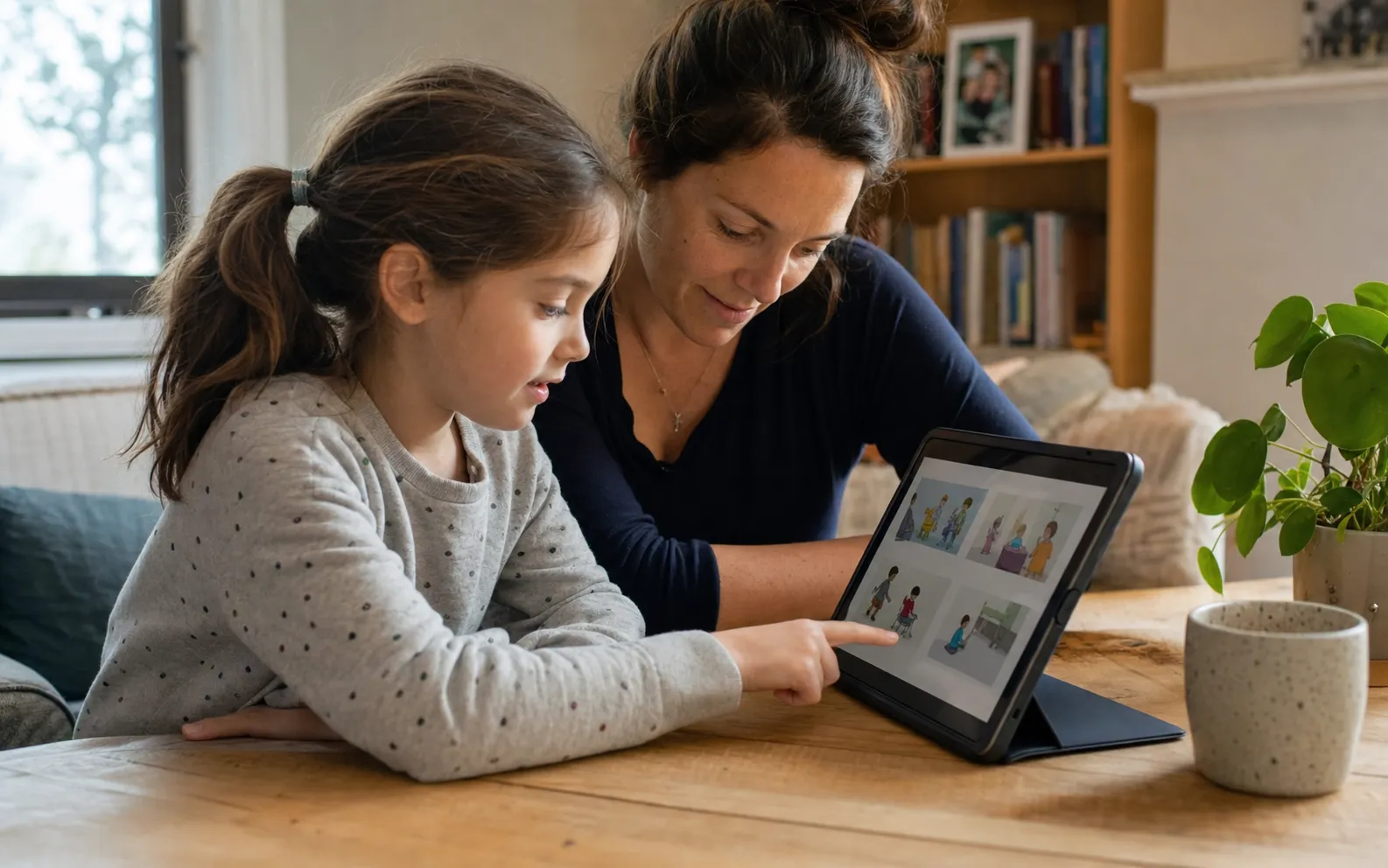
A dental visit often starts before anyone looks at a tooth. There may be a journey, a reception desk, a waiting room and a name called from a doorway. For a child, each part can bring a new question: who will speak first, where will we sit, and when will the dentist come into the room? Preparing for the dentist works best when the story follows that real route rather than jumping straight to the examination chair.
A personalised narrative can use the name of the practice, a photograph of the entrance or the name of the adult who will come along. These details are not decoration. They give the child landmarks that can make an unfamiliar dental appointment easier to recognise as it unfolds.
The dental room has its own language and sensations
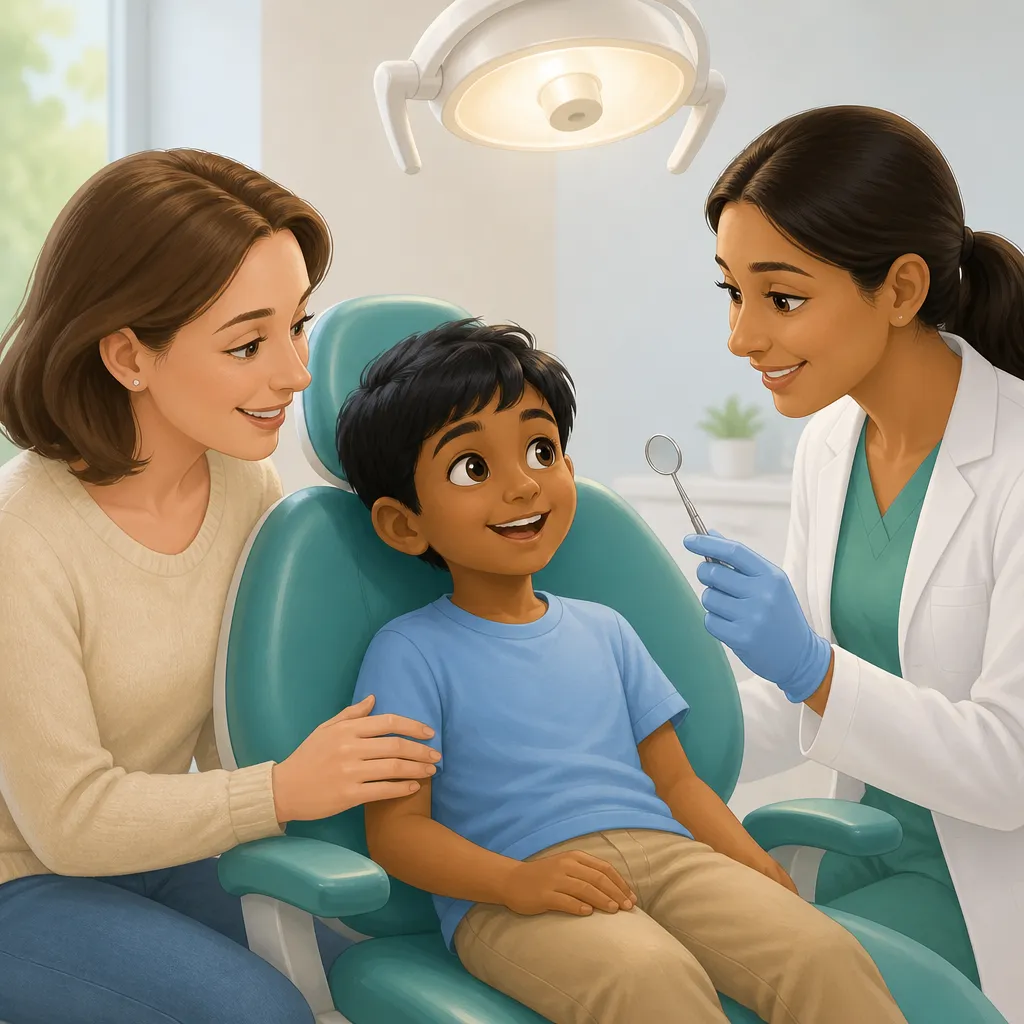
The chair may move backwards, a bright light may shine near the face, and a clinician may use a mirror, suction tube, toothbrush or x-ray equipment. Some children want to see an item before it is used; others prefer to know that it will be there without looking closely. The story can describe only the equipment that is likely for this visit, in words the child already understands.
Sound, taste, smell, pressure around the mouth and close-up touch can all matter. Naming those possibilities does not make them more difficult; it gives a child and the adults around them a chance to plan for what may help. A quieter appointment, headphones during waiting, a familiar item or a moment to look at the chair may be useful only when the dental practice can genuinely offer them.
Questions, pauses and consent need to be visible
Children communicate comfort and uncertainty in different ways. One child may ask many questions, another may become quiet, look away, use a gesture or need a trusted adult to notice a change. A useful preparation story can explain how the child can ask what happens next, request a pause or show that they need more time.
It is better to describe options accurately than to promise that every step can stop immediately. For example, the story can say that the child and adult have agreed on a signal, that the dentist will explain an item first where possible, or that an adult can ask for more information. This makes the plan trustworthy and supports communication differences without speaking over the child.
After the visit, the next dental appointment can be clearer
The child’s own observations are the most useful information for the next version. They may remember the waiting room music, the feel of the bib, the fact that the light was less bright than expected, or a part that was much harder to predict. Returning to those details afterwards turns one appointment into more accurate preparation for another.
The aim is not to make a child enjoy a dentist visit or to turn the experience into a test of bravery. It is to share enough real information for the child, family and dental team to understand what matters and make the next visit more considered.
How it can help
Related support topics
Some families start from the situation; others start from the wider support need. These pages explore the same idea from that angle.
Turn this guide into a story
Create a story your child can recognise.
Bring the details that matter together in one personalised story: where your child is going, who may be there, what may happen, and which choices or support are genuinely available.
Join the waiting list