A doctor appointment is often more than one short check
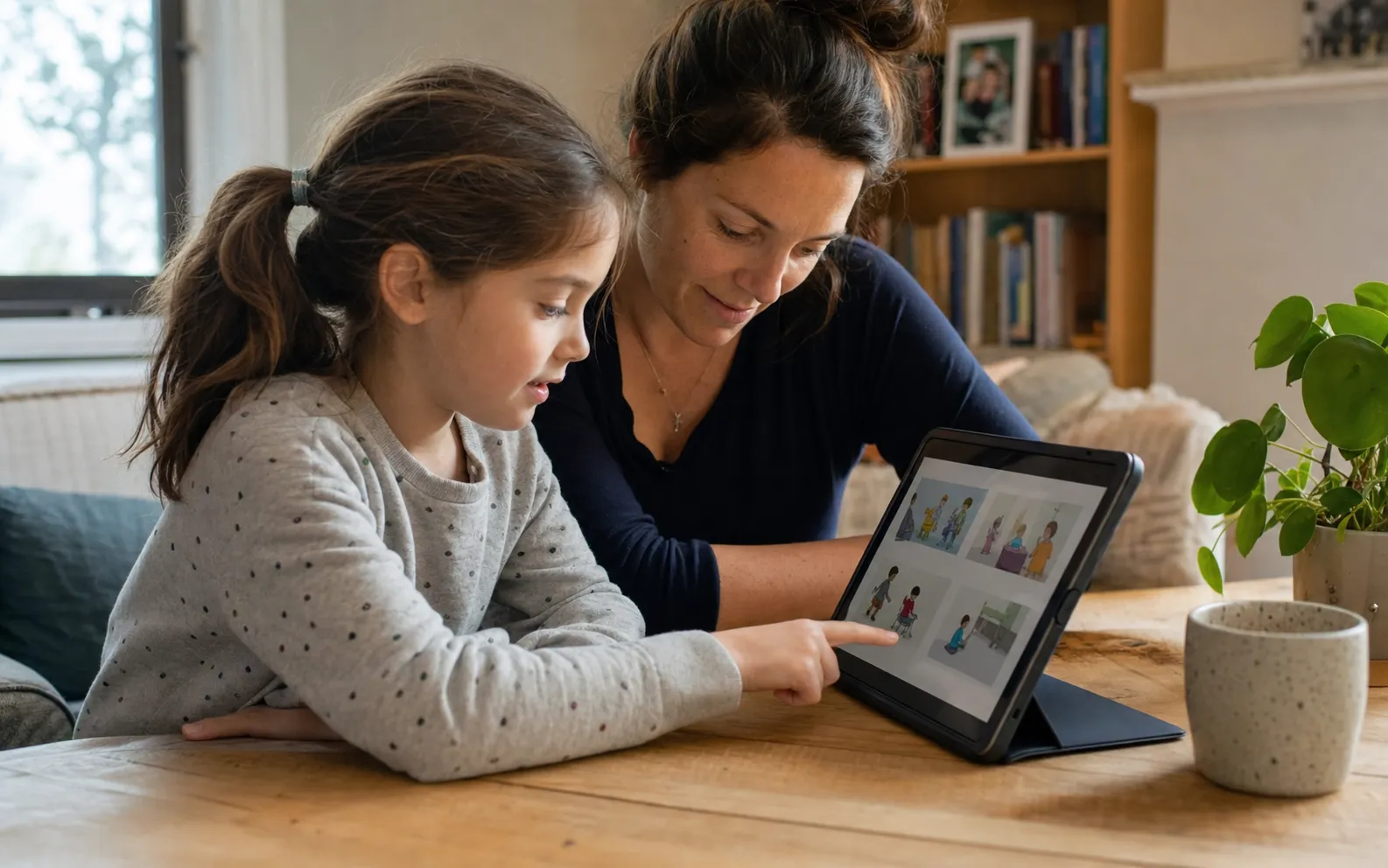
A doctor visit may begin with a journey, a check-in desk and a waiting room before the child meets the doctor or nurse. There can be forms, unfamiliar names, other people waiting and no clear sense of how long the first part will take. A personalised story can make that beginning visible, so the appointment does not feel like one unexplained block of time.
The clearest version is tied to the real reason for the visit. A routine check-up, a conversation about a new symptom and a follow-up appointment may share a building but involve different questions, rooms and expectations. It is more respectful to explain what is likely for this appointment than to include every medical possibility.
Preparing for questions, equipment and touch
A clinician may ask questions, listen to breathing, measure height or weight, look in ears or throat, or examine another part of the body. A child may want to know who will ask, whether a trusted adult can stay nearby, and whether they can see or hear about a piece of equipment before it is used. These are practical questions, not a sign that the child is being difficult.
A personalised narrative can use the child’s own familiar words for body parts and requests. It can say that some checks may involve touch, that the child can ask what an item is, and that adults will explain what they can. When a detail is not known yet, calm conditional language is better than pretending it is fixed.
Making the child’s communication part of the plan
The pace of a doctor appointment can make it hard to find words at the right moment. Some children communicate with speech, pictures, signs, a device, a gesture or by looking to a familiar adult. The story can explain how the child prefers to receive information and how they can show that they need a pause, a repetition or more processing time.
This preparation can help adults as much as children. It gives a parent, carer or clinician a shared reminder to speak directly to the child, leave room for an answer and avoid treating a quiet response as agreement. The goal is an appointment that includes the child’s perspective wherever possible.
The end of the visit deserves an explanation too
A child may be thinking ahead to the moment after the examination: whether there will be a prescription, another appointment, a sticker, a journey home or a return to school. Describing what usually happens at the end can make the visit feel bounded rather than open-ended.
Afterwards, a family can keep the parts that helped and remove the ones that did not fit. That makes the next doctor visit less like starting from scratch and more like a shared record of what the child noticed, asked for and found useful.
How it can help
Related support topics
Some families start from the situation; others start from the wider support need. These pages explore the same idea from that angle.
Turn this guide into a story
Create a story your child can recognise.
Bring the details that matter together in one personalised story: where your child is going, who may be there, what may happen, and which choices or support are genuinely available.
Join the waiting list