Making a fire drill easier to picture
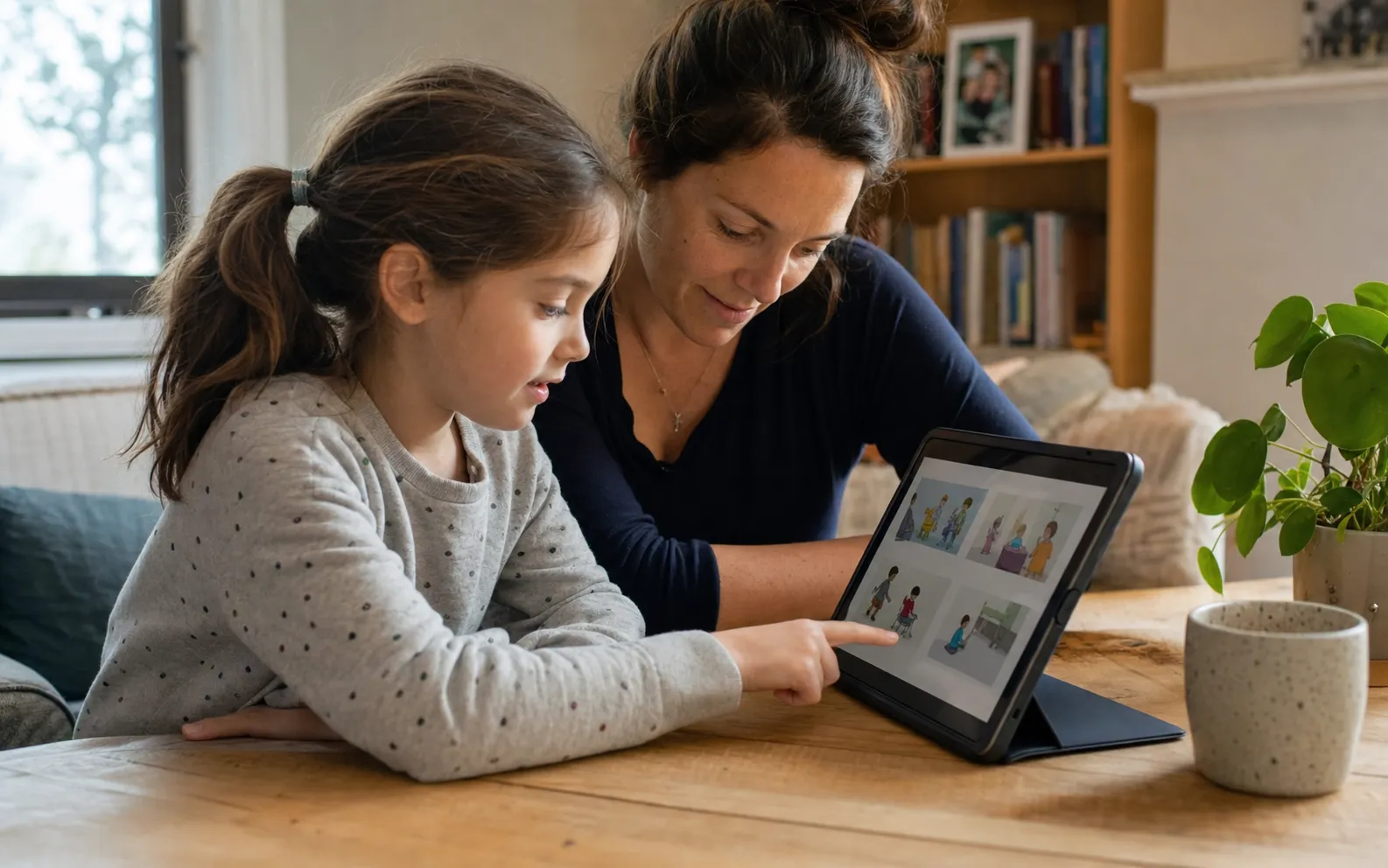
A fire drill can be one of the least predictable parts of a school day because it may start suddenly and move quickly. A personalised story can help a child understand the sequence before they hear the alarm.
A guide or personalised story does not have to make a fire drill seem easy, or predict every moment perfectly. Its value is in giving the child and the adults around them a shared, calm place to look at the parts that matter before the situation is already happening.
Why the small details can carry a lot of weight
The noise may be intense, the timing may be unknown and the class may need to stop an activity immediately. For some children, the sudden change itself is as significant as the alarm.
This can be especially useful for children with sensory differences, children who experience anxiety, children who rely on routines and children who need communication support when instructions change quickly. Naming these possibilities in advance can help adults notice what needs adjusting, rather than assuming the child should simply manage the same experience in the same way as everyone else.
Turning the likely sequence into a shared picture
A personalised story can explain what the alarm is for, what adults are likely to say, where the class may go and what the child can expect while waiting outside or returning inside.
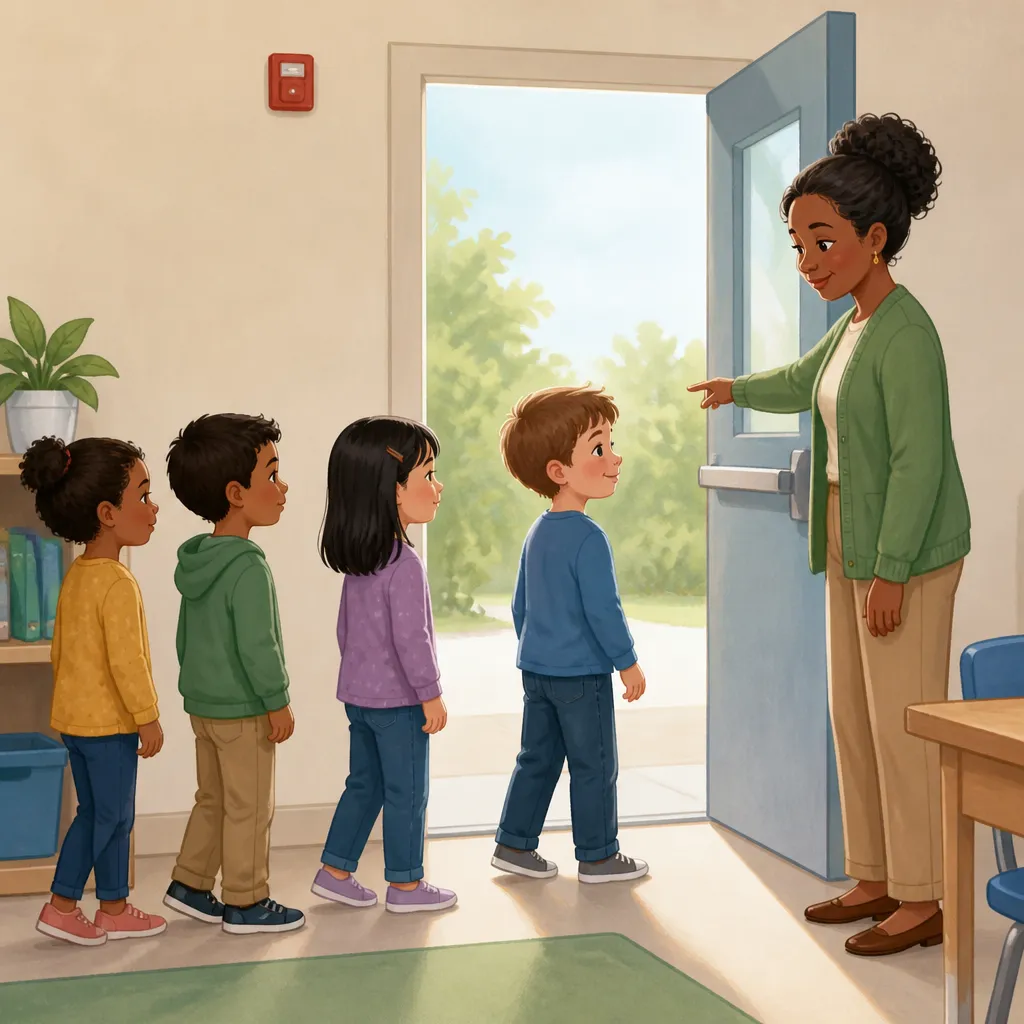
For a fire drill, the most useful version is usually built around the child's real route through the experience. It may describe what the alarm may sound like and what adults may say, how the class may line up, leave the room and walk outside, where the child may wait and who may be nearby, and what happens when the drill is finished. These details work best when they are connected as part of one understandable experience, rather than presented as a set of rules the child has to follow.
Making room for the child's own communication and choices
A child may want to read the story more than once, ask a question, choose the order in which information is shared or use their own words, pictures, gestures or device to say what matters. Some children want every practical detail; others prefer a short version that only covers the next step. Both approaches can be valid when the story reflects the child rather than an adult's idea of how preparation should look.
It also helps to be precise about support. A pause, a familiar person, a quieter space, extra processing time or an early exit should only appear when it is a real option. That honesty makes the story more trustworthy and gives the child a clearer basis for deciding what they want to try.
Preparing together, then learning from the experience
Before the visit or activity, families, carers and educators can keep the preparation grounded by focusing on practical details: if the school can share the likely drill process, build the story around that exact sequence and use honest language about the sound instead of minimising it. The aim is not to cover every possible outcome; it is to give the child the information and support that will be most useful in this particular version of the situation.
Afterwards, it is worth returning to the experience without treating it as a test. You might, for example, include whether the child may use headphones, hold a familiar item or stay near a known adult if that support is available and revisit the story after the first drill and update it with what actually happened. That conversation can make the next personalised story more accurate, while showing the child that their observations and preferences are part of the plan.
How it can help
Related support topics
Some families start from the situation; others start from the wider support need. These pages explore the same idea from that angle.
Turn this guide into a story
Create a story your child can recognise.
Bring the details that matter together in one personalised story: where your child is going, who may be there, what may happen, and which choices or support are genuinely available.
Join the waiting list