
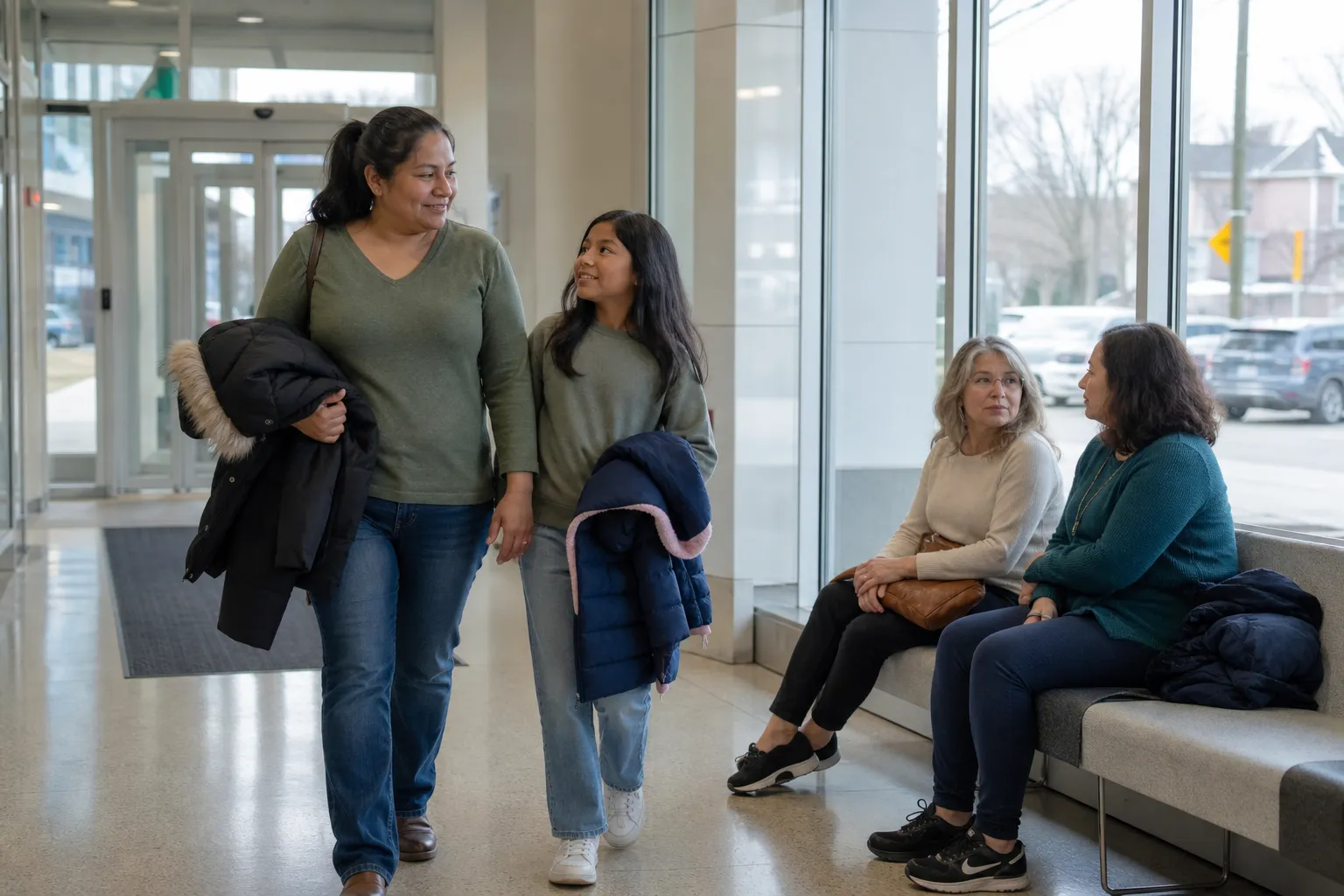
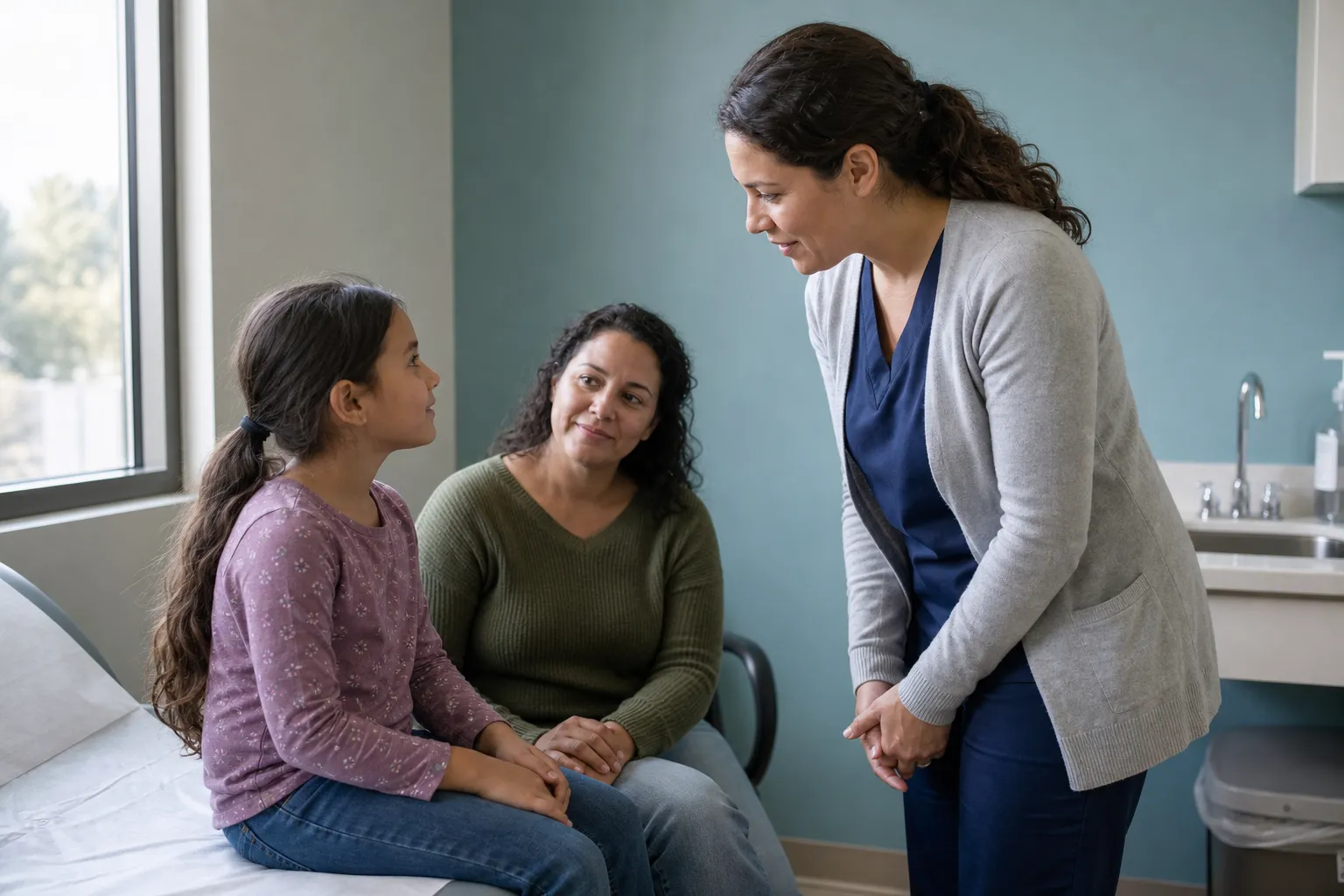
A hospital visit is often less like one event and more like a chain of unfamiliar moments: arriving, finding the right desk, waiting, meeting new people, answering questions, and not always knowing what will happen next. A personalized hospital social story can give a child or young person and the adults supporting them a calm way to discuss those moments before the day arrives. It is not a promise that the visit will be easy, short, or exactly predictable. Instead, it can describe what is likely, name what may be uncertain, and make room for the person’s own preferences, questions, and ways of communicating. This guide is for parents, carers, and educators preparing for a planned appointment, test, procedure, clinic visit, or an unexpected need to go to hospital.
1. What a hospital social story can do—and what it should not try to do
A hospital social story is a short, individualized explanation of a particular hospital experience. It can help a family talk through a visit in advance without presenting the child or young person as a problem to be fixed. The most useful version is usually specific: it focuses on one person, one likely type of visit, and details that are reasonably known. For example, a story for a blood test clinic may differ greatly from one for an outpatient appointment, an imaging department, urgent care, or an overnight stay.
For some autistic people, unfamiliar routines, changes in expected plans, sensory input, or unclear social expectations may make a hospital setting particularly demanding. Autism is a broad neurodevelopmental difference, and autistic people do not share one set of needs, reactions, or communication styles. The Centers for Disease Control and Prevention’s information on autism spectrum disorder describes differences that may involve social communication and restricted or repetitive behaviors or interests, while also emphasizing that experiences and support needs vary. A story should therefore begin with the individual’s experience rather than a checklist of assumed traits.
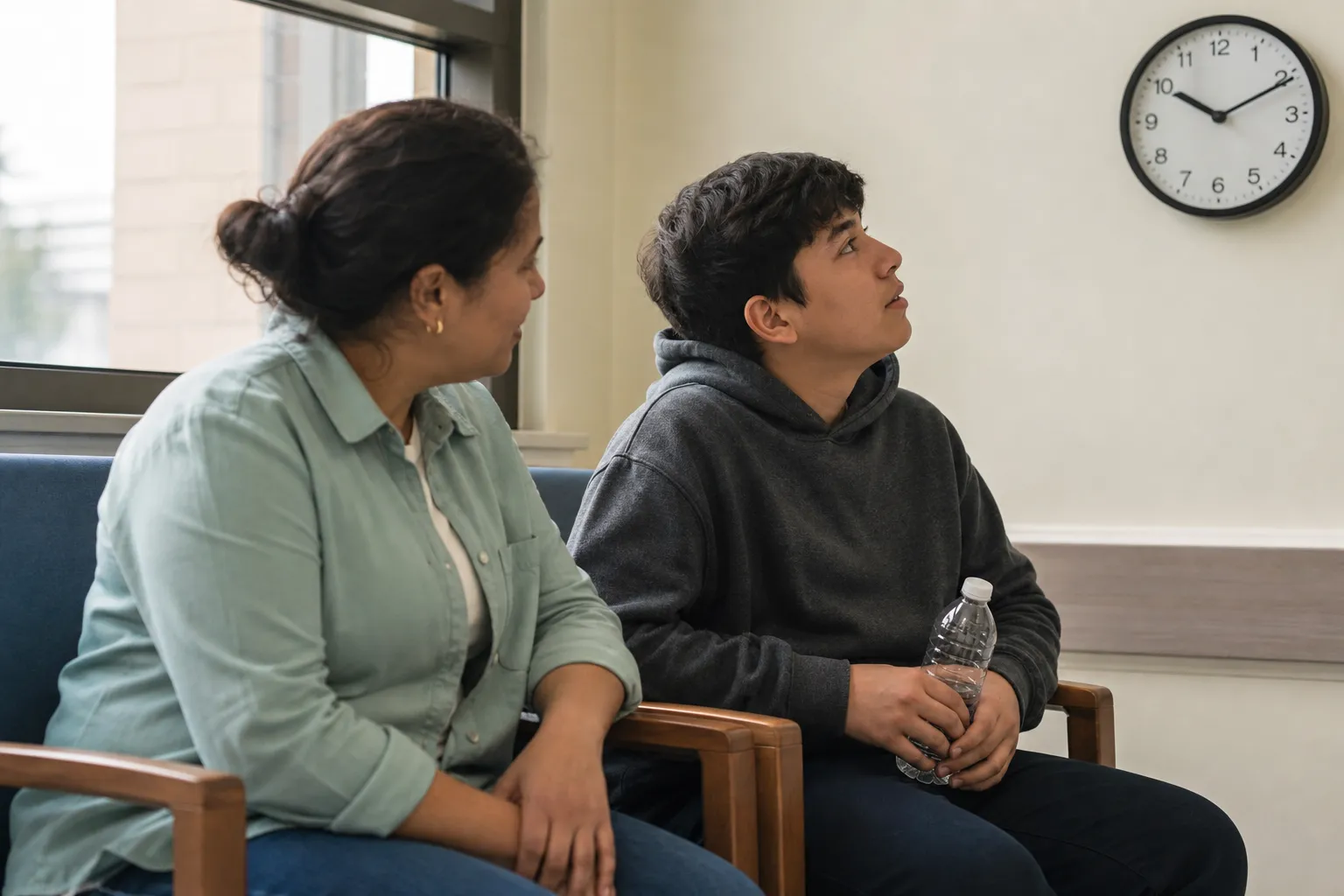
The purpose is preparation, not compliance. It can explain that healthcare staff may ask questions, may need information, or may offer parts of an examination, while also acknowledging that the person may need time, may communicate differently, or may want to ask what is happening. It should not imply that someone must hide distress, tolerate pain without support, make eye contact, speak aloud, or accept every interaction without explanation. Nor can it guarantee that a waiting room will be quiet, a clinician will be available at a stated time, or every planned step will happen exactly as described.
2. Start with the real visit, including what is known and what is still uncertain
Before drafting a hospital visit social story, it can help to gather only the details the family actually knows. Consider the purpose of the visit, the hospital or department, how the person will travel there, whether they will check in at a desk, and whether the appointment is likely to involve waiting, measurements, questions, an examination, a test, or a conversation. If a caregiver has a letter, appointment message, or information from the hospital, it may clarify the likely sequence. It is reasonable to leave out details that are unknown rather than filling gaps with confident guesses.
A clear story separates likely events from possibilities. For instance, staff may ask for a name and date of birth; there may be other people in the waiting area; a clinician may explain the next step; and a visit may take longer or shorter than expected. In urgent or emergency care, the order of events can change quickly depending on who needs care first. Saying this plainly can be more trustworthy than presenting a fixed timeline. Families may decide to use wording such as, “Sometimes we may wait, and an adult can tell me what they know.” This is one example sentence, not a script that every person needs to use.
It may also be useful to include practical transitions that are easy to overlook: parking or arriving by public transport, entering through a large entrance, passing through corridors, using a lift, sitting in a waiting area, and leaving after the appointment. If the person has previously visited that location, familiar landmarks can be included. If they have not, broad language may be more accurate. A personalized story can be revised after the first visit if the family learns more about the setting.
3. Make space for sensory experiences without assuming that every sensation is difficult
Hospitals can contain sensory experiences that are hard to predict. Possible sounds include conversations, announcements, doors, carts, alarms, running water, and equipment. Lighting may be bright or uneven. Spaces may have unfamiliar smells, changing temperatures, crowded seating, or the feel of paper gowns, adhesive, or cleaning products. Some people may notice these details intensely, while others may not find them significant. A person’s sensory experiences can also vary from one day, room, or stress level to another.
A hospital social story can name sensory possibilities in neutral, honest language. Rather than claiming that a place will be calm, it might explain that some areas can be busy and noisy and that other times may be quieter. Rather than framing a reaction as misbehavior, it can state that sensations can feel strong or uncomfortable. This gives families a shared way to notice patterns and discuss what has helped the person feel more settled in other unfamiliar places.
Personalization may include the individual’s own words for discomfort, overwhelm, or needing a pause. It may also describe choices that could be available, without promising they will be possible in every department: asking a staff member a question, moving to a different seat if space allows, waiting with a familiar adult, or sharing information about a difficult sound or touch. Whether a hospital can offer a particular adjustment depends on the setting, safety requirements, staffing, and the reason for care. The story can prepare the family to ask, while remaining realistic about uncertainty.
4. Address anxiety with honesty, predictability, and room for feelings
Anxiety can make uncertainty feel larger, especially when a visit involves unfamiliar people, bodily sensations, medical words, separation from routines, or concern about results. Anxiety is not limited to autistic people, and not every autistic person experiences anxiety. The Centers for Disease Control and Prevention notes that anxiety and depression can affect children and that signs can look different across children. A hospital social story is not a diagnostic tool or a treatment for anxiety, but it can create a low-pressure opportunity to discuss worries before the visit.
The story can state that it is understandable to have many feelings about going to hospital. It may be helpful to identify what the person is already wondering: whether something will hurt, whether a parent or carer can stay nearby, how long the appointment will take, what staff will say, or what happens if they cannot answer a question immediately. Adults can add accurate answers where they have them and label other answers as unknown. Avoiding false reassurance matters. A test or examination may feel uncomfortable; waiting may feel frustrating; and plans sometimes change.
The story can include the person’s ways of showing that they are worried, tired, overloaded, or ready for more information. Those signs may be spoken, written, gestured, behavioral, or private. A caregiver or educator preparing the story may also use it to identify information worth sharing with the hospital in advance or at arrival, if the family chooses. One concise example sentence could be, “I can tell my adult or a staff member when I need something explained again.” This is an example, not an expectation that every person will be able or willing to communicate in that way in the moment.
5. Include communication differences as part of ordinary healthcare communication
Hospital communication is often fast and information-heavy. Staff may use unfamiliar words, ask several questions, speak while moving between tasks, or direct questions to the patient and caregiver in different ways. A person with communication differences may understand language differently, need more processing time, prefer direct wording, communicate without speech, use gestures, write, repeat phrases, or communicate most comfortably through a familiar person. These are communication differences, not evidence that the person has nothing to say or does not understand their own experience.
The American Speech-Language-Hearing Association explains that communication disorders can affect speech, language, hearing, voice, fluency, or social communication. That information offers useful general context, but no social story should diagnose a child or young person. Instead, it can reflect the individual’s known communication preferences. For example, it might identify whether they prefer one question at a time, concrete choices, extra time to respond, an opportunity to point or write, or support from a trusted adult. These are possibilities to discuss, not universal accommodations or guarantees.
It can also clarify roles. Healthcare workers may ask the patient questions directly, and a parent, carer, or another trusted person may sometimes add relevant information. A story can affirm that both the young person’s communication and caregiver knowledge matter. If a person does not want to talk about a body part, feeling, or concern in front of everyone present, the family may wish to raise that possibility with staff. Exact privacy practices, consent processes, and who may be present vary with the person’s age, care setting, local rules, and the type of visit.
6. Build the story together, then keep it flexible after the visit
A personalized hospital visit social story works best when it is made with the person rather than only about them, to the extent they want to participate. A parent, carer, or educator might ask what the person wants to know first, what part feels least clear, what they remember from past healthcare visits, and what they would prefer adults to understand. Their answers can shape the order and wording. Some people may want a very brief explanation; others may want more detail about a particular procedure or location. Neither preference is more mature or correct.
Keep the language respectful and concrete. Use the person’s preferred name and terms, and avoid describing them as brave only if they appear calm or cooperative. A person can be courageous, distressed, quiet, talkative, unable to continue, or any combination of these. It may help to state that asking questions, taking time, and showing discomfort are meaningful forms of communication. If a procedure has specific preparation instructions, those should come from the hospital or relevant healthcare professional rather than from a general guide.
After the visit, the family can revisit what was accurate, what surprised the person, and what they would want changed for another appointment. This makes the hospital social story a living preparation resource rather than a test the person can pass or fail. For an autism hospital visit social story, this revision can be especially valuable because the same individual may have different sensory, communication, or anxiety-related needs across locations and days. The goal is shared understanding and informed preparation, not forcing a predictable response from the child or young person.
Frequently asked questions
What should a hospital social story include?
Include the purpose of the visit if known, the likely location, arrival and check-in, possible waiting, people the person may meet, likely steps such as questions or an examination, and what may be uncertain. Add the individual’s own sensory experiences, communication preferences, worries, and questions where they are known. Keep it focused on one type of visit rather than trying to explain every possible hospital experience at once.
Is a hospital social story only for autism?
No. A hospital social story may be useful for any child or young person who benefits from clearer expectations about an unfamiliar healthcare visit. It can be personalized for autism, anxiety, sensory experiences, or communication differences, but it should not assume that any diagnosis automatically creates the same needs. The person’s own preferences and past experiences are more useful than a generic diagnosis-based template.
Can a social story guarantee that a hospital visit will go smoothly?
No. A social story cannot control wait times, staffing, urgent changes, test results, pain, or a person’s feelings on the day. Its value is in offering accurate preparation, shared language, and a way to identify questions and possible needs ahead of time. Honest wording about uncertainty generally supports trust better than promises that everything will be quick, quiet, or easy.
Keep exploring
Related social stories
These guides cover situations with similar routines, sensory details or preparation needs.

Learn more about writing a social story
Read what a social story is, follow the step-by-step writing guide, or browse more social story examples.
Sources
- Autism spectrum disorder — Centers for Disease Control and Prevention
- Anxiety and depression in children — Centers for Disease Control and Prevention
- Communication disorders — American Speech-Language-Hearing Association
