
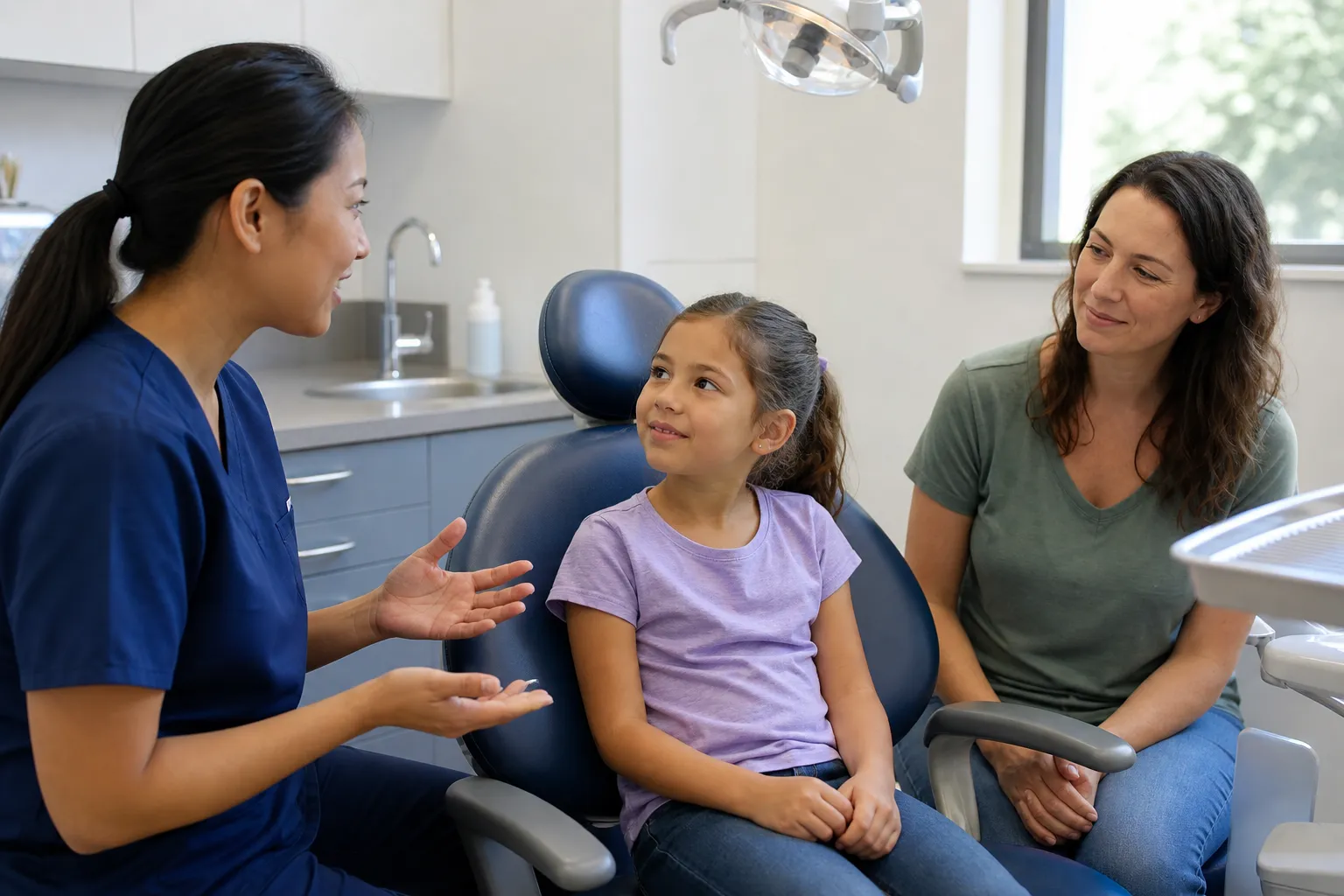
A dentist visit can contain many small unknowns before anyone sits in the dental chair: a new building, unfamiliar voices, waiting, bright light, close personal space, and sounds that arrive without much warning. A social story for dentist visits can turn those unknowns into a calm, honest conversation at home or school. It is not meant to promise that the visit will feel easy or that every appointment will follow one script. Instead, it can describe what may happen, name what a child might notice or feel, and make room for practical choices that are genuinely possible for that individual family.
Why a dentist visit may feel like more than a routine appointment
For some children, dental care is straightforward; for others, the setting can involve several demands at once. A child may need to transition away from a familiar activity, enter an unfamiliar room, wait near other people, respond to questions, and allow someone to work close to their face and mouth. None of these responses indicate that a child is being difficult. They may reflect uncertainty, prior experiences, sensory experiences, communication differences, or anxiety.
Autism is a broad neurodevelopmental difference, and autistic children have varied strengths, preferences, and support needs. Some autistic children may prefer clear sequences, extra time to process information, or advance knowledge of changes. A dental visit can be especially unpredictable when timing changes, a different clinician is present, or the reason for an examination is not clear. Other autistic children may be comfortable with many parts of care, so it is important to build preparation around the particular child rather than assumptions about autism.
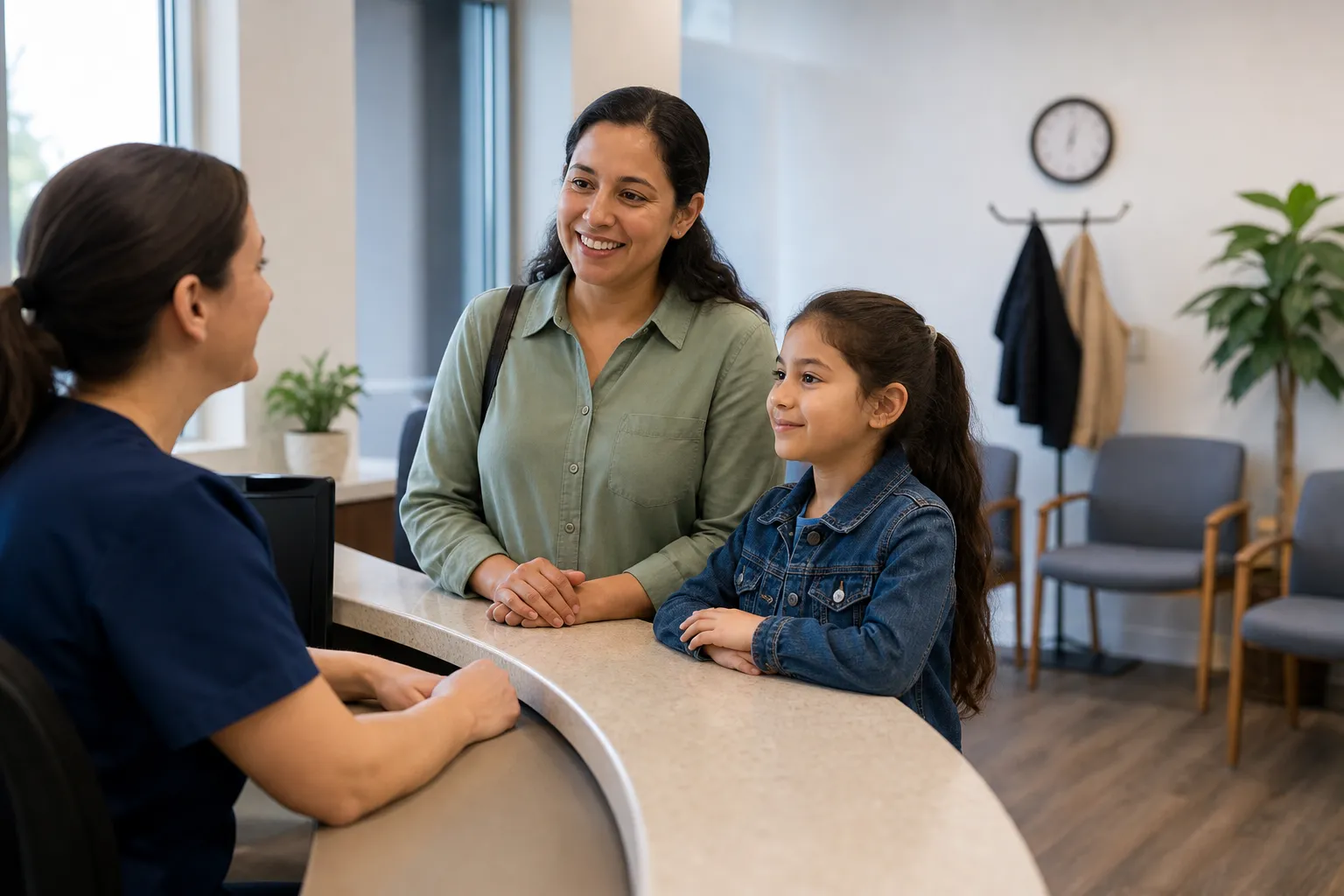
Children with anxiety may worry about pain, being separated from a caregiver, making a mistake, unfamiliar people, or not knowing when an activity will end. Anxiety can show up as repeated questions, avoidance, tearfulness, quietness, irritability, or a strong wish to leave. These are possible experiences, not a diagnosis. Information from the Centers for Disease Control and Prevention notes that children’s anxiety can affect everyday activities; a family can consider whether an appointment is one setting where worries become more noticeable and share relevant observations with an appropriate professional if needed.
What a personalized social story for dentist can do
A social story for dentist preparation is a short, individualized explanation of a specific situation. It can help a child and adult make sense of the appointment together before the time pressure of the clinic. The goal is understanding, not compliance. A useful story describes observable events in a respectful, matter-of-fact way and avoids telling a child what they must feel.
Personalization matters because dental offices, appointments, and children differ. One child may be going for a first checkup, while another is returning after a difficult experience or attending because of tooth discomfort. One office may begin in a waiting area and another may bring families straight to a treatment room. A family can include only details they know are likely, and use words such as “may,” “sometimes,” and “I can ask” when details are uncertain.
The story can also acknowledge that feelings may change. For example: “The light may look bright when I sit back, and I can tell my grown-up or the dental team if I need a moment.” This is an example sentence, not a complete social story. Honest language can build trust better than reassurance that nothing will be uncomfortable or surprising. A child deserves preparation that does not minimize their experience.
Sensory experiences to describe plainly and without pressure
A dentist social story can name sensory details that may be relevant without suggesting that every child will notice them. In a clinic, possible sensations include bright overhead light, dental smells, gloves in or near the mouth, a reclining chair, water, suction, vibration, or sounds from tools in nearby rooms. Some children may find one sensation intense and barely notice another. Sensory preferences can also vary from one day to the next.
A child may dislike having their mouth open, feel unsettled by someone standing close, or need more information before an unfamiliar sensation begins. Others may be curious about equipment or enjoy knowing its purpose. Describing sensations ahead of time gives the child words for what could happen. It may be more useful to say that a sound can be loud or high-pitched than to call it “not scary.”
Families can include concrete possibilities that have been confirmed with the dental office or that are already familiar to the child. Depending on the practice and appointment, possibilities might include arriving early to look around, waiting in a different location, asking what an item is called, having a caregiver remain nearby, requesting that staff explain a step before it happens, or taking a pause. These are possibilities rather than promises; availability and clinical needs can differ. The story can state that an adult can ask the office what is possible.
Communication differences and ways to make information clearer
Communication differences can affect how a child receives, processes, or expresses information. A child may use few spoken words, communicate in another way, take longer to answer, interpret language literally, or find it hard to explain discomfort in an unfamiliar setting. The American Speech-Language-Hearing Association describes communication disorders as differences that can involve speech, language, hearing, voice, fluency, or social communication; only a qualified professional can assess a communication disorder. A family does not need a label to notice that a child communicates best in particular ways.
A personalized social story for dentist visit can use the child’s familiar words for body parts, sensations, people, and questions. It can separate a visit into small, meaningful parts: arriving, meeting staff, sitting or standing where the appointment takes place, listening to an explanation, and leaving. Keeping each statement specific can reduce the burden of interpreting vague phrases such as “be good” or “it will be fine.”
It can also include communication options the child already uses. They might point, gesture, speak, sign, look toward a caregiver, use a familiar signal, or say that something hurts or feels too much. An example sentence is: “I may use my usual way to show that I have a question or need a break.” Before the appointment, a caregiver or educator may wish to share the child’s communication preferences with the office and ask how the team prefers to receive that information.
Building the story together before the appointment
Start with the actual purpose of this particular visit and the information the family can verify. A child may be having a checkup, an examination for a concern, a cleaning, or a discussion with the dental team. Avoid adding procedures that have not been planned. If the office has not confirmed an aspect of the visit, the story can simply say that the dentist or hygienist will explain what happens next.
Useful details may include who is expected to go, how the family will travel, the name used for the dental office, where the child may wait, and what happens after the visit. Choose a time when the child is not already rushed. Some children may want to revisit the information several times; others may prefer a brief review. Either response can be respected. The story can be changed if the child identifies a missing question or if the office provides new information.
Preparation can also include a conversation about choice and limits. A child may be able to choose which caregiver comes along, whether to ask a question at the start, or what to do after the appointment. Some parts of dental care may not be optional once a family has agreed to a clinical plan, and the story should not imply otherwise. It can honestly distinguish between what is known, what may be asked for, and what the dental professional will decide in the moment.
Using the story as a flexible conversation, not a test
A social story is most helpful when it remains a shared reference rather than a standard the child must meet. A child does not have to recite it, appear calm, or complete every part of an appointment for the preparation to have value. Their reactions can offer information about what felt clear, what was unexpected, and what may need a different explanation next time.
After the visit, adults can revisit only the parts the child wants to discuss. They might note what matched the story, what changed, and what the child would like adults to know for a future appointment. This can be particularly valuable after an appointment involving anxiety, strong sensory experiences, or a communication mismatch. Keep the focus on the environment and the child’s experience rather than on judging behavior.
If dental pain, a new health concern, intense distress, or changes in a child’s wellbeing are present, a social story is not a substitute for professional care. Families can contact the dental office for appointment-specific questions and consult an appropriate health or mental health professional for individualized guidance. Sources such as the CDC’s information on autism spectrum disorder and anxiety and depression in children, along with ASHA’s communication-disorders resources, can provide general context without defining any one child’s experience.
Frequently asked questions
What should a social story for dentist visits include?
Include only information that is relevant and reasonably likely for that child’s appointment: why they are going, who may come, what the setting may be like, possible sensations, how the child can communicate, and what happens afterward. Use clear wording and acknowledge uncertainty rather than promising an exact sequence.
Can a dentist social story help a child with anxiety?
It may help some children with anxiety by making parts of the visit more predictable and giving adults a way to discuss questions ahead of time. It cannot guarantee that anxiety will go away or replace professional support. A child’s worries, preferences, and past experiences should guide what is included.
How is a social story for dentist visit different for an autistic child?
There is no single version for autistic children. Some may benefit from more detail about timing, transitions, sensory experiences, or direct communication; others may not need those details. Personalize the story around the individual child, the specific office, and the particular appointment rather than autism alone.
Keep exploring
Related social stories
These guides cover situations with similar routines, sensory details or preparation needs.
Learn more about writing a social story
Read what a social story is, follow the step-by-step writing guide, or browse more social story examples.
Sources
- Autism spectrum disorder — Centers for Disease Control and Prevention
- Anxiety and depression in children — Centers for Disease Control and Prevention
- Communication disorders — American Speech-Language-Hearing Association
