
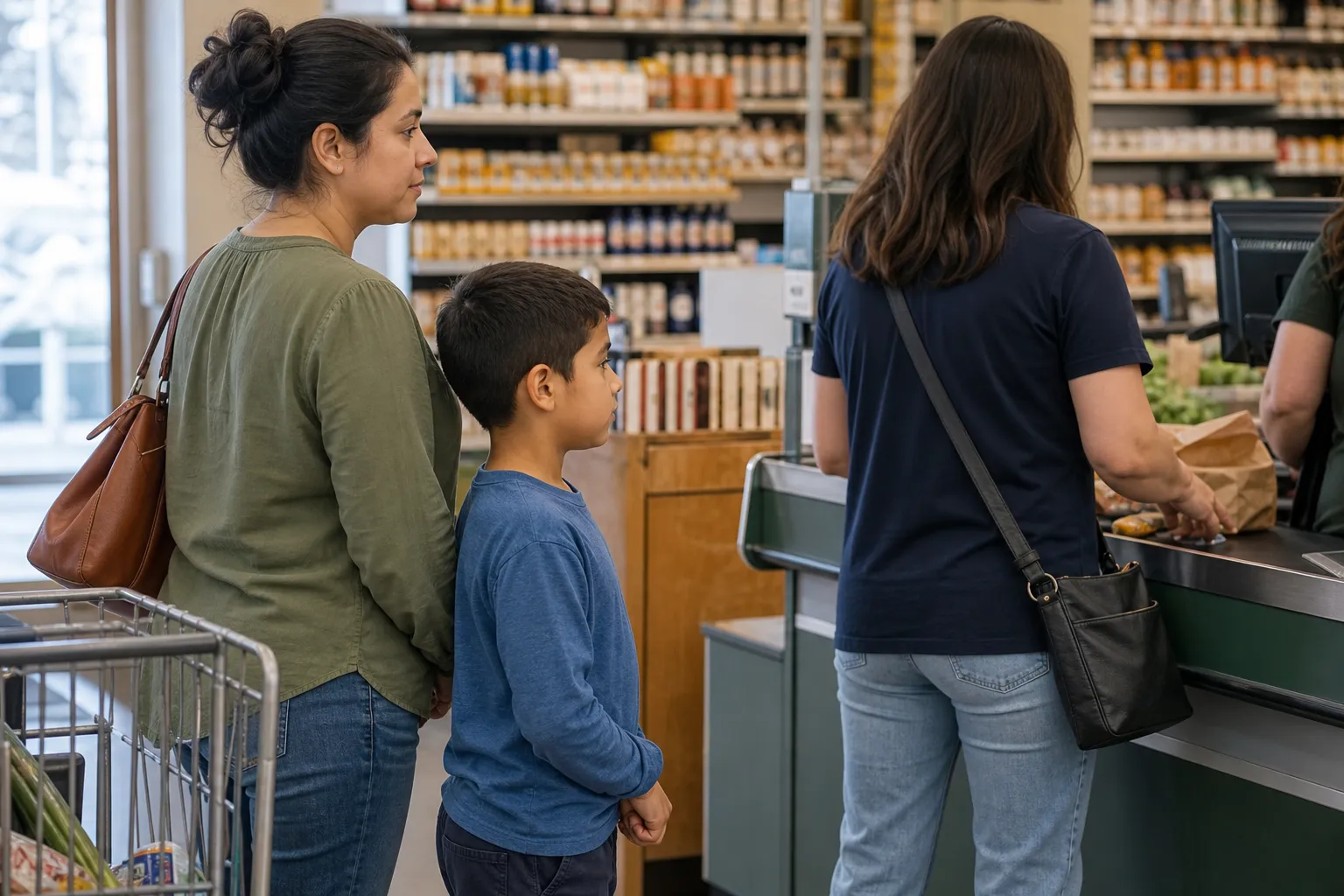
A line is not just “standing still.” It can involve uncertainty about how long the wait will last, changing noise levels, limited personal space, several competing things to notice, and a shift in plans when a line moves slowly. For some children and teens, those demands can make an everyday errand feel much bigger than it appears from the outside. A personalised waiting social story can give a family a calm way to talk through what may happen before arriving, without implying that the person must feel comfortable, quiet, or patient at every moment. This guide focuses on realistic preparation for grocery stores, school events, ticket counters, restaurants, and similar everyday situations.
Why a waiting social story can make lines more understandable
A waiting social story is a short, individualised explanation of a specific situation. In this case, it can describe what a line is, why people may be in it, what the person might notice, and what choices may be available while they wait. Its purpose is shared understanding and predictability—not teaching someone to mask distress, comply without support, or tolerate more than they can manage.
Lines vary widely. At a pharmacy, a person may stand near shelves while one customer speaks with a cashier. At a school concert, people may wait in a crowded entrance. At an amusement venue, the line may wind around barriers and move in short bursts. A restaurant waiting social story may address two separate waits: waiting for a table and waiting for food after ordering. Naming the exact setting matters because the sounds, space, expectations, and likely length of the wait can all differ.
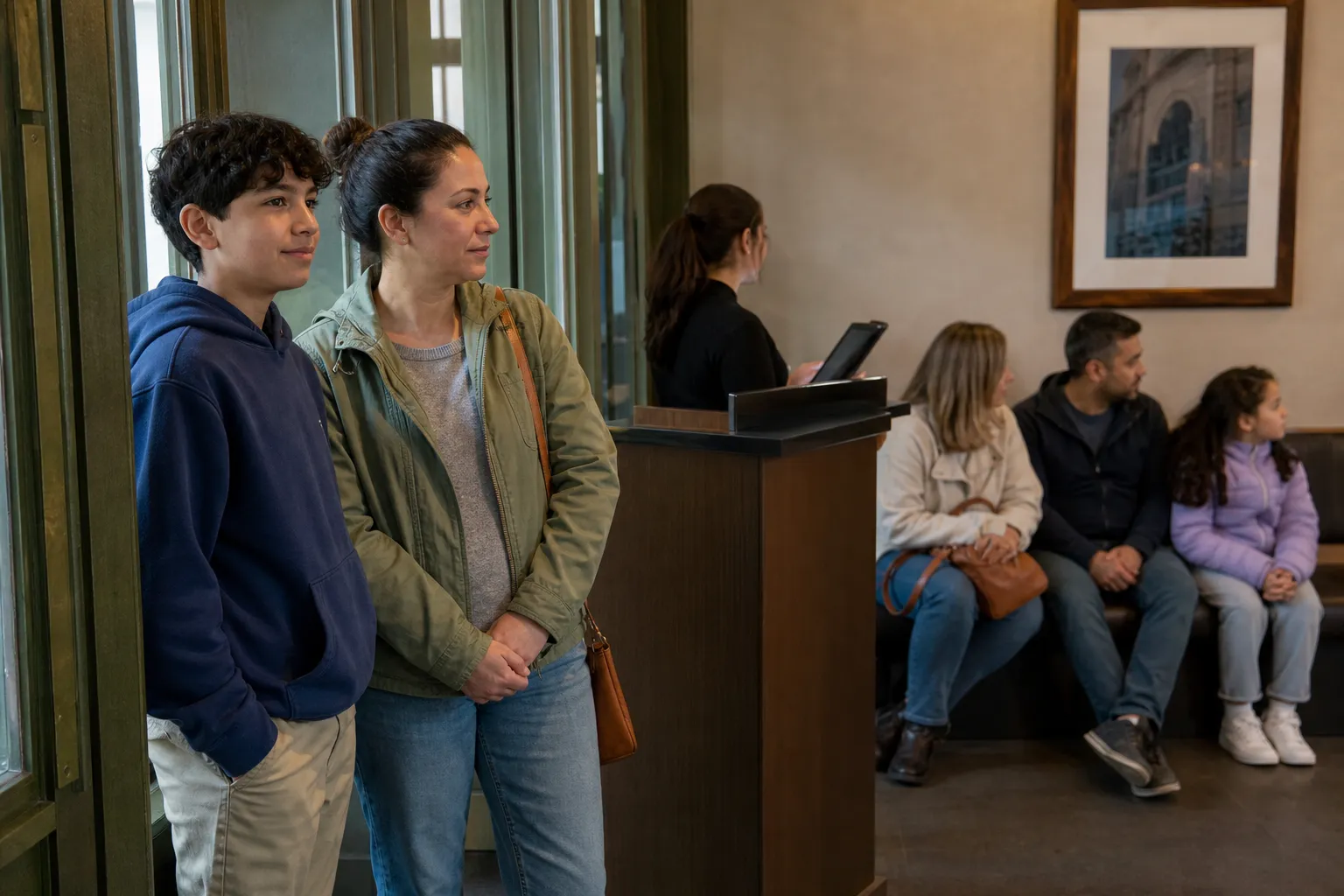
A useful story can be honest about uncertainty. Rather than promising that a line will be short or that it will move quickly, it can say that the length is sometimes hard to know. It can also acknowledge that a caregiver may decide to stay, ask a question, take a break, or leave and try another time. This framing helps make room for the fact that changing course can be a reasonable response to a difficult situation, not a failure.
Waiting in line social story: autism and individual differences
Searches such as “autism waiting in line social story” or “waiting in line social story autism” often reflect a practical need: adults want language for a situation that may be hard to explain in the moment. Autism is not a single experience, and autistic people do not all find lines difficult or need the same preparation. Still, a particular person may prefer clear information about where to stand, what happens when the line moves, whether talking is expected, or what will happen at the counter.
Some people may find the physical and social uncertainty of a line especially demanding. They might notice nearby conversations, carts, music, smells, people passing close by, or the changing distance between themselves and the next person. They may also want to know the purpose of the line and what signals show that it is their turn. A personalised social story can use the person’s own words for these experiences instead of assuming which details matter.
The story can describe the environment without presenting one response as the only acceptable one. For example, it may state that people in a line often leave space between one another and move forward when the person ahead moves. It can then include realistic possibilities the family has discussed, such as standing beside a trusted person, quietly noticing items in the store, or stepping out of the line with an adult if that is workable. The right details depend on the individual, the venue, and the people present.
Possible challenges connected with ADHD, anxiety, and emotional regulation
For a person with ADHD, waiting can sometimes involve a mismatch between the need to stay in one area and a brain or body that is seeking movement, novelty, or something engaging to do. Attention may shift quickly to nearby products, conversations, or activity. Impulses such as moving ahead, touching items, or leaving the line may occur for some individuals. These are possible experiences, not assumptions about any person with ADHD. The CDC’s overview of ADHD notes that symptoms can include inattention, hyperactivity, and impulsivity, with presentation and impact differing between people.
Anxiety can add another layer when a wait feels unpredictable or socially exposed. A person may worry about holding others up, being watched, getting to the front before they know what to say, or not knowing when the wait will end. They may also feel anxious in crowds or unfamiliar places. A story cannot diagnose anxiety or make it disappear, but it can remove avoidable surprises by explaining the sequence and by confirming that uncomfortable feelings can be communicated.
Emotional regulation is the ability to notice, respond to, and recover from emotions in ways that fit a person and situation. Regulation can become harder when someone is hungry, tired, rushed, overstimulated, disappointed, or already managing a lot. In a long line, frustration, excitement, worry, or boredom may build quickly. A personalised social story can name that these feelings are possible and can describe how the family usually recognizes a need for a pause, help, information, or a change of plan. It should not suggest that a person is “bad” for having a strong reaction.
What to include when personalising the story
Start with one real-life line rather than “lines” in general. Identify the location, who is likely to come along, the reason for the visit, and the order of events. For a grocery checkout, the sequence might include entering the store, choosing a checkout area, joining behind another shopper, moving forward as space opens, and paying. For a restaurant, the sequence might include arriving, speaking with a host, hearing an estimated wait, and deciding whether to remain nearby or make another plan.
Include concrete details that are likely, while keeping language flexible. The story can mention that people may be talking, carts may make noise, and a cashier may speak to the next customer. It can explain that an adult may handle the conversation or that the person may choose to answer a simple question if they want to. Avoid statements that guarantee a particular wait time, promise that no one will be close by, or say that everybody will respond kindly. Honest preparation is more useful than reassurance that cannot be guaranteed.
Build the story with the person whenever possible. Ask what they already know about the setting, what they dislike about waiting, what helps them feel informed, and what they want adults to understand. Their answers may reveal an issue that is easy to miss, such as concern about automatic doors, the sound of a hand dryer near a queue, uncertainty about restroom access, or fear that a caregiver will disappear from view. The story can reflect their preferred language and goals rather than an adult’s idea of what waiting should look like.
Discussing choices and boundaries before leaving home
A social story can prepare a family for choices without dictating a single strategy. Depending on the place and the family’s circumstances, possibilities may include choosing a quieter time to visit, checking whether there is a shorter line, taking turns waiting, asking staff a brief question about the expected delay, or deciding not to join a line that is longer than the person can reasonably manage that day. Not every choice will be available in every setting, and the story can say so plainly.
It may help to agree on what the adult will do if the wait changes. For instance, the adult might explain that they will tell the person before changing lines when possible, or that they may choose to leave if the environment becomes too difficult. An example sentence for a personalised story is: “If the line feels too hard, I can tell my adult that I need help.” This is an example, not a required script, and the communication method should fit the person.
Adults can also clarify boundaries that protect everyone’s space and safety without framing those boundaries as moral judgments. A story might explain that the family will try to keep their place in the line while allowing others room to pass, and that an adult can help if the line is confusing. If the person leaves the area, the plan should reflect the actual setting and their support needs. Clear, respectful language gives a child or teen information they can use; it does not require them to suppress discomfort.
Using the story as preparation, not a test of success
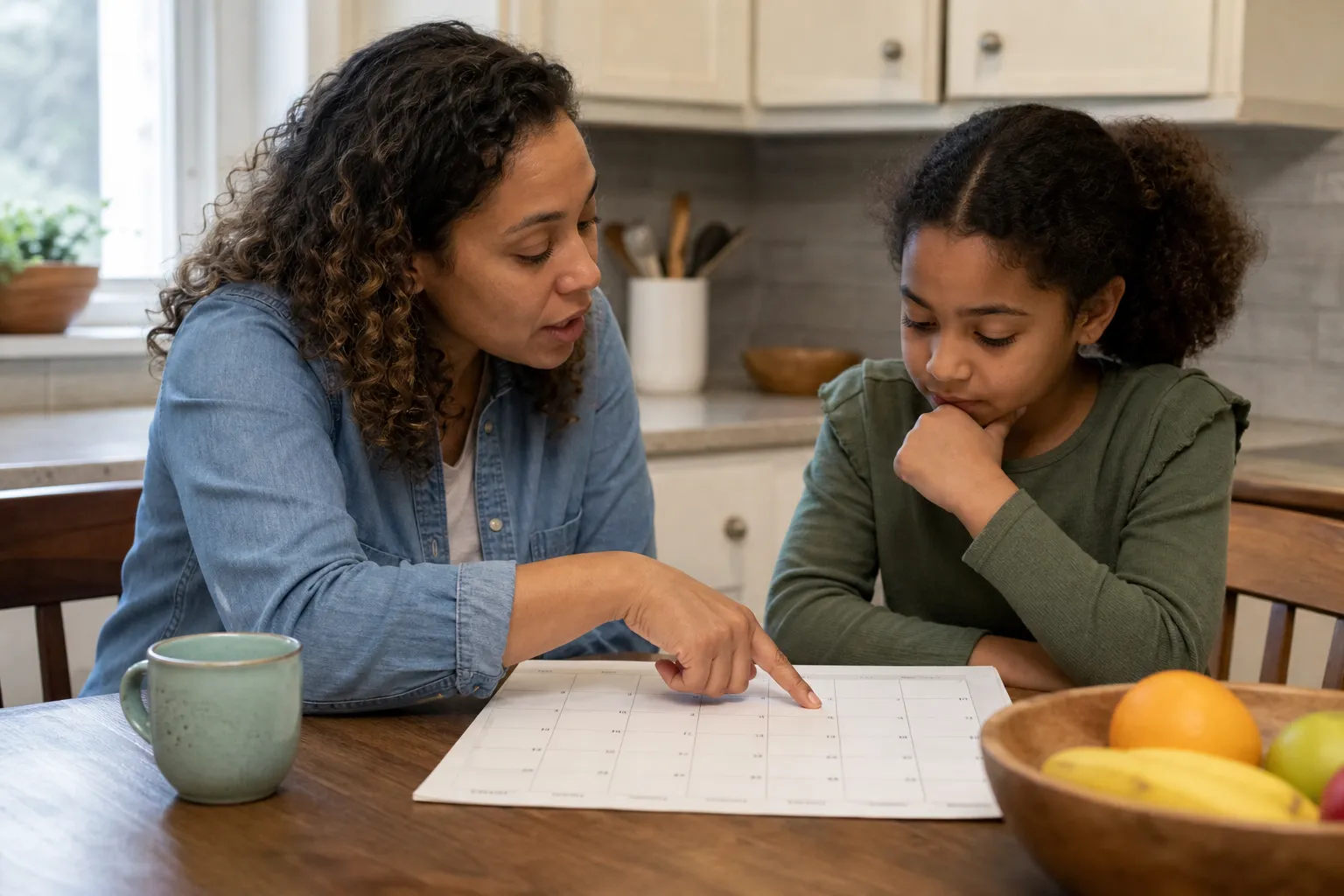
Review a waiting social story at a low-pressure time, such as before the outing or while planning the week. Some people may want to revisit it shortly before entering the location; others may prefer not to repeat it. The goal is familiarity, not memorisation. The story may be most helpful when it is updated after real experiences, because the family can distinguish between details that were useful and details that did not match what happened.
Afterward, use open questions rather than judging the outing as good or bad. An adult might ask what felt easy, what was surprising, whether the line was different from expected, and what information would help next time. A short wait that felt overwhelming still offers useful information. Likewise, a person who managed a long wait may have done so because conditions happened to be favorable that day, not because they should always be expected to do the same.
A waiting social story is one part of family preparation. It does not replace a person’s communication, consent, preferences, or need for responsive support in the moment. If worry, distress, attention differences, or emotional reactions are affecting daily life, families can consider discussing their observations with an appropriate qualified professional. This is not because waiting difficulties prove a condition; many situational and personal factors can shape how a line feels.
Frequently asked questions
What should a waiting social story say about how long a line will take?
Use truthful, flexible wording. Explain that some lines are short and some take longer, and that an adult may not know the exact time. If a venue provides an estimate, it can be included as an estimate rather than a promise. It can also be helpful to describe what the family may do if the wait becomes different from expected, including asking for information, taking a break if workable, or leaving.
How is a restaurant waiting social story different from one for a checkout line?
A restaurant story may need to cover waiting for a table, staying near the entrance or another agreed area, being called by a host, and later waiting for food. A checkout-line story is more likely to focus on choosing a lane, standing behind another customer, moving with the line, and the brief interaction at payment. Specific stories are often clearer because they avoid combining unfamiliar rules from several settings.
Can a social story help with anxiety or emotional regulation while waiting?
It may help some people by making the situation less uncertain and by giving the family shared language for feelings, choices, and changes of plan. It is not a treatment for anxiety and cannot guarantee that someone will feel calm or avoid distress. A useful story respects the person’s experience, avoids blame, and is adjusted based on what they say happened in real situations.
Keep exploring
Related social stories
These guides cover situations with similar routines, sensory details or preparation needs.
Learn more about writing a social story
Read what a social story is, follow the step-by-step writing guide, or browse more social story examples.
Sources
- About ADHD — Centers for Disease Control and Prevention
- Anxiety and depression in children — Centers for Disease Control and Prevention
