
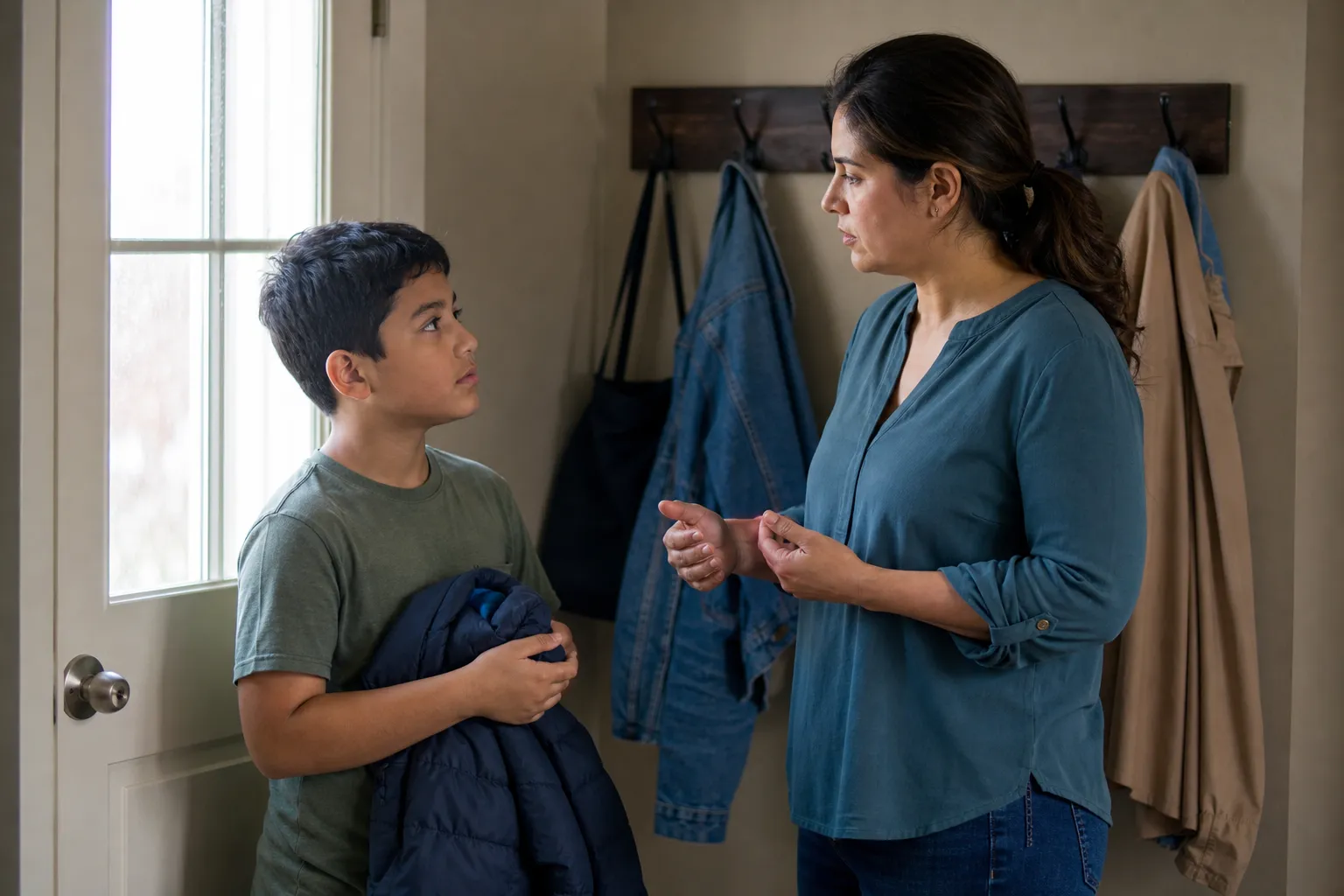
A new event is rarely just one moment. A birthday party, school assembly, family visit, first lesson, appointment, holiday gathering, or community activity can involve a string of unknowns: when the day begins, who may be there, what waiting could look like, whether plans might shift, and how the ending happens. For an autistic child or young person, the challenge may be less about whether the event is “fun” and more about having enough reliable information to make sense of an unfamiliar transition. A personalised social story can give a family a shared, calm way to put likely parts of the event into words. It does not promise that the event will feel easy or that every detail will go as planned. Instead, it can acknowledge uncertainty honestly, name choices that may be available, and make room for the person’s own perspective.
Why a new event can feel bigger than it looks
A new event social story is often useful because an event contains many small changes rather than one single change. A child may be leaving home at a different time, arriving somewhere unfamiliar, meeting people they do not know well, following a different sequence of activities, or returning later than usual. Even a positive occasion can ask a person to process a lot of new information quickly. The significance of these details varies widely from person to person; autism does not make every new event difficult, and many autistic people enjoy novelty, special occasions, and exploring interests. What may matter is whether the event feels understandable, predictable enough, and connected to the person’s preferences.
Changes and transitions can bring uncertainty about what happens first, next, and last. A plan may also include parts that adults overlook, such as parking, entering a building, greeting someone, waiting, moving between rooms, eating at a different time, or saying goodbye. When these pieces are not known, a child or young person may have questions, seek repeated reassurance, become quiet, object to going, or show distress. Those responses can be meaningful communication about uncertainty, not proof of unwillingness or misbehavior.
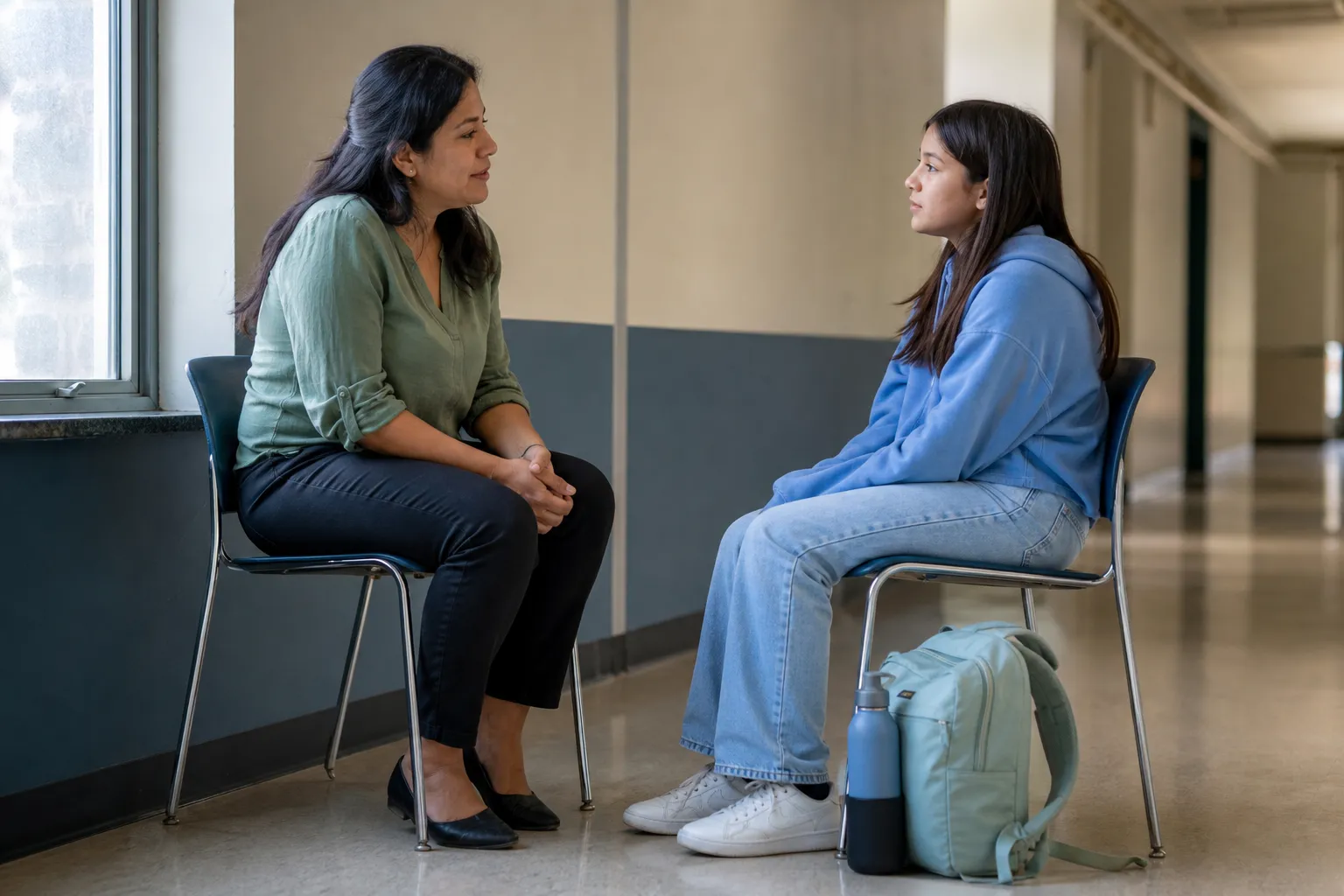
Family routines can provide a familiar frame around an unfamiliar experience. The American Academy of Pediatrics notes the importance of family routines for children’s development and family connection. A new event may not fit the usual routine, but a story can identify which ordinary parts of the day are likely to stay the same and which parts are different. That distinction can make the change more concrete without suggesting that routines must never change.
Autism, anxiety, and transitions: separate experiences that can overlap
Autism is a neurodevelopmental difference with a broad range of individual communication, social, behavioral, and learning experiences. The Centers for Disease Control and Prevention describes autism spectrum disorder as involving differences in social communication and interaction alongside restricted or repetitive behaviors or interests, with presentations differing from person to person. In the context of a new event, an autistic person may prefer direct information over vague reassurance, may want time to ask detailed questions, or may find an unexpected alteration especially hard to interpret. Another autistic person may be eager to attend and simply want to know the plan. A useful guide avoids assuming any one response.
Anxiety can also be relevant, whether or not it is a diagnosed condition. The CDC explains that children can experience anxiety and that persistent worries or fears can affect everyday functioning. Anticipation may show up as questions about what could happen, trouble settling before the event, reluctance to separate from a familiar person, physical complaints, or a strong need for certainty. These experiences are not a reliable way to identify anxiety, and they deserve curiosity rather than labels. A story is not a diagnosis or treatment for anxiety. It can be one way to make information easier to revisit and discuss together.
The overlap between autism, anxiety, and changes-and-transitions is individual. An autistic child may have little event-related anxiety but dislike a sudden change in sequence. A non-speaking child may communicate anticipation in ways that require familiar adults to interpret carefully. A young person who seems capable in one setting may still need clear information for a new one. Keeping these possibilities separate helps adults avoid treating distress as a fixed autistic trait or assuming that every concern is anxiety.
What a personalised social story can and cannot do
A personalised social story is a short, individual-focused explanation of a social situation or upcoming experience. For a new event, it can describe the purpose of the event, likely people and places, the broad order of the day, and what is known versus not yet known. Its value is not in making a child comply with an adult plan. It can support shared preparation by putting the event into concrete language and by showing that the child’s questions, boundaries, interests, and communication matter.
Personalisation is important because a generic trying new things social story may include assumptions that do not fit the person or event. One child may care most about whether a trusted adult will be present. Another may want to know the duration, food plan, clothing expectations, opportunities to move around, or how they can indicate that they want to leave. A family may include the names of people the child knows, the actual location, and only details that are reasonably likely. If information is unavailable, it is more honest to say that an adult will find out when possible or that part of the plan is not known yet than to invent certainty.
A story cannot guarantee a particular emotional response, prevent all distress, make an unpredictable event predictable, or replace the child’s own communication. It also should not frame one emotional reaction as the only acceptable one. A person can be excited, unsure, disappointed, interested, anxious, or have more than one feeling. The goal is clearer shared understanding, not a perfect event. Adults can remain open to the possibility that the child’s view of what would make the event workable differs from their own.
Choosing honest, useful details for the event
Start with information that is specific enough to orient the person but not so detailed that the story becomes a script adults expect them to perform. The event name or purpose, date or approximate timing, location, travel plan if known, likely companions, and main beginning-middle-end sequence may be relevant. It can also be useful to distinguish facts from possibilities. For example, a host may have planned games, but the exact order may change. A teacher may expect a group activity, while the length of waiting may be unknown. Naming that difference respects the child’s need for accurate information.
Concrete choices can be included only when they are genuine possibilities at that event. Depending on the person and setting, a child or young person might be able to stand near a familiar adult, join an activity later, watch first, ask a question, use their usual way of communicating that they need a break, or leave an activity before it ends. These are not universal options, and a story should not promise them unless the relevant adults agree they are available. Likewise, it should not imply that the child must greet, speak, participate, eat, or stay for an entire activity if that is not truly required.
The wording can avoid predictions about feelings and behavior. Rather than saying that the person will enjoy the event or will be calm, it can acknowledge that new things sometimes feel different. One short example sentence is: “I may feel curious, unsure, or both when I arrive.” This is an example of a sentence, not a complete social story. It leaves room for the person’s real experience and does not turn calmness into a demand.
Preparing together without turning preparation into pressure
Families, carers, and educators can develop the story through conversation, observation, and the person’s preferred communication. The child or young person may point out an overlooked concern, such as arriving early, not knowing where to sit, or worrying that plans will change. They may also identify something they are looking forward to. If they do not want to discuss the event at one time, that response is information too. Preparation can be revisited when it is useful rather than treated as a test of readiness.
Adults can check practical facts with event organizers, relatives, or staff before including them. They can also decide how to state uncertainty plainly. A phrase such as “The plan may change, and an adult can tell me what is happening next” is more realistic than claiming that everything will happen exactly as described. It is important not to use a personalised social story to persuade a child that a difficult or unwanted situation is harmless. Honest preparation includes respecting that an event may be challenging, that participation can look different for different people, and that adults may need to listen and adjust their expectations.
The story may be most useful when it reflects existing family knowledge: what information the person tends to seek, how they show interest or concern, and what wording feels respectful to them. Some people prefer a very brief explanation; others value detailed facts. Some may want to review it well before the event, while others may not. These are possibilities, not rules. The shared process can also help adults notice where the plan itself is unclear and where a child’s questions deserve a real answer.
Reviewing the experience and updating the next story
After a new event, a short, low-pressure conversation can help separate what actually happened from what was expected. A child or young person might want to say what was easier than expected, what was hard, what surprised them, or what they would want adults to know next time. They may prefer to communicate this immediately, later, or not through conversation at all. Avoid treating the review as a scorecard for whether they “handled” the event well. The event can be meaningful even if parts were difficult, and a difficult outcome can reveal useful information rather than failure.
Comparing the plan with reality also makes future stories more accurate. Perhaps the event began late, a planned activity was cancelled, or the child discovered that waiting in the entry area was the hardest part. Perhaps they enjoyed an unanticipated conversation or wanted more time with a particular activity. Adults can carry those observations into the next new event social story without assuming the same pattern will repeat everywhere.
A second short example sentence is: “Next time, I might want to know who will be there before we go.” This is only an example of reflective wording, not a complete social story. Over time, personalised stories can become a record of what kinds of information and choices help a particular person approach changes and transitions with clearer expectations. They remain flexible documents for communication, not a measure of progress or a substitute for listening.
Frequently asked questions
Is an autism new event social story only for children who are anxious?
No. An autism new event social story may be relevant for an autistic child or young person who is excited, uncertain, curious, anxious, or simply interested in knowing the plan. It can also be useful when changes-and-transitions are the main issue rather than anxiety. It should reflect the individual’s actual questions and preferences, not presume distress.
How detailed should a new event social story be?
The useful amount of detail differs by person and event. Include reliable facts that answer the person’s likely questions, such as where the event is, who is likely to attend, and what the broad sequence may be. Avoid adding promises about feelings, exact timing, or choices that may not be available. If a detail is uncertain, saying so plainly is often more respectful than guessing.
Can a trying new things social story make someone participate?
No. A social story is not a behavior-management contract and cannot guarantee participation or a particular response. It can help families prepare together by describing a new experience, acknowledging uncertainty, and identifying real choices where they exist. The child or young person’s communication, consent, and changing needs still matter on the day.
Keep exploring
Related social stories
These guides cover situations with similar routines, sensory details or preparation needs.

Learn more about writing a social story
Read what a social story is, follow the step-by-step writing guide, or browse more social story examples.
Sources
- Autism spectrum disorder — Centers for Disease Control and Prevention
- Anxiety and depression in children — Centers for Disease Control and Prevention
- The importance of family routines — American Academy of Pediatrics
