
A doctor visit is not one single event. It is a chain of small, sometimes changeable moments: arriving, checking in, waiting, meeting a new person, answering questions, possibly having an examination, and leaving. For an autistic child or adult, that chain may be easier to approach when everyone has a shared, concrete picture of what could happen. A personalised social story can be one way for a family, carer, educator, and the person attending to talk through that picture without promising that every appointment will unfold exactly the same way. The aim is not to make someone act a certain way or to eliminate understandable anxiety. It is to offer clear information, acknowledge communication differences, and make room for the person’s own preferences and questions.
Why doctor visits can feel uncertain
A health appointment often asks a person to move through unfamiliar social expectations quickly. The reception area may have a different routine from the examination room. A clinician may ask questions that are broad, private, or difficult to answer on the spot. The length of the wait and the order of events can change. Even a routine appointment may include an unexpected conversation, a different clinician, or a decision to postpone part of an examination. These are practical uncertainties, not a sign that someone is being difficult or uncooperative.
For some autistic people, predictability and direct information can be especially important. Autism spectrum disorder is a broad neurodevelopmental difference, and no single experience represents every autistic person. One person may want detailed advance information about each possible step. Another may prefer only the essential facts. Some may be comfortable with a familiar family doctor but find a new clinic harder to read; others may be more concerned about explaining a symptom than about the setting itself. A useful preparation approach starts with the individual rather than assuming a standard autistic response.
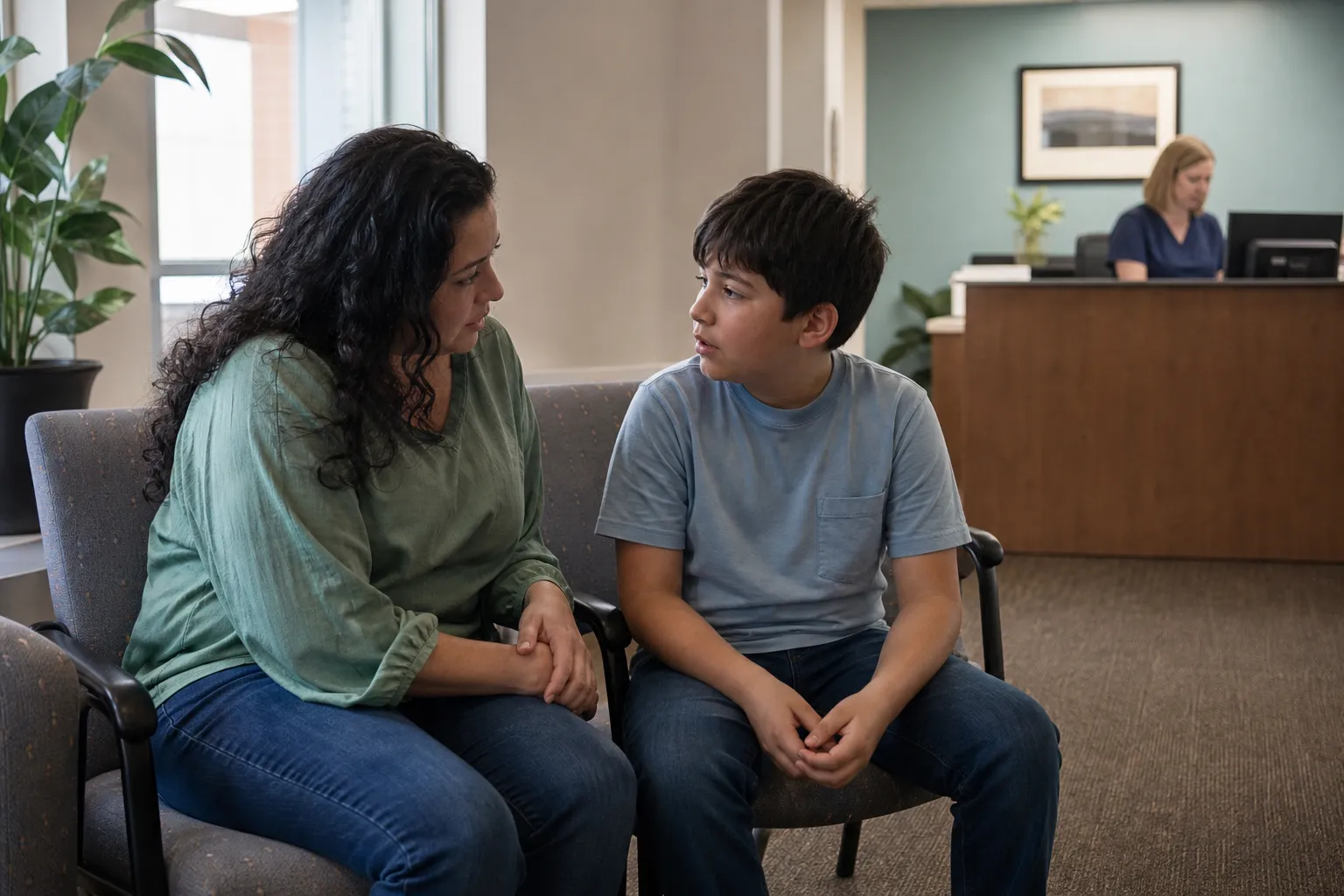
Anxiety can also affect how a person experiences a doctor visit. The Centers for Disease Control and Prevention notes that anxiety can occur in children, while also emphasizing that concerns need individual assessment by qualified professionals. In everyday terms, anxiety may show up as repeated questions, a wish to leave, quietness, irritability, trouble deciding what to say, or a strong need to know what happens next. These responses can be meaningful attempts to manage uncertainty. They should not be treated as proof of a diagnosis or as misbehavior by default. A social story cannot diagnose, treat, or prevent anxiety, but it may give a person language for discussing what they are anticipating.
What a personalised social story can do before an appointment
A personalised social story is a short, factual account that explains a situation from the attendee’s point of view. For a doctor visit, it can describe the likely setting, the people who may be present, the purpose of common steps, and what may be unknown. It is most useful when it is accurate to the specific clinic and honest about variation. Rather than saying that everyone will be kind, that nothing will hurt, or that the visit will be quick, it can say that the family may need to wait, that the clinician may ask permission before an examination, and that some parts of a visit depend on why the person is there.
Creating it together can be as valuable as reading it. The person attending might choose which facts matter most: where they will sit, who will come with them, whether they want to ask a question, how they usually communicate discomfort, or what they want others to know. A parent, carer, or educator can contribute details the person has already shared. When appropriate, clinic staff may be able to clarify ordinary logistics, such as the check-in process or whether a particular test is commonly part of the visit. Details should be checked rather than guessed.
The story can distinguish between what is likely, what is possible, and what is not yet known. For example: “I may wait before my name is called.” “The doctor may listen to my heart.” “I can ask what will happen next.” These are examples of short factual statements, not a complete social story. This kind of wording avoids turning preparation into a promise. If the appointment changes, the family can name the change plainly and update the information for another time rather than suggesting the person prepared incorrectly.
Building an honest doctor visit social story
Start with the appointment’s actual purpose. A story for a yearly checkup may differ from one for a new concern, a follow-up, a vaccination discussion, or a specialist consultation. Include only details that are reasonably likely and useful. The opening may identify the location, who is expected to attend, and how the group will get there. It can then follow the visit in a simple order: arrival, check-in, waiting, being called to a room, conversation, possible examination, questions, and leaving. If the person knows the clinician’s name, that detail may be included; if they do not, the story can say that they may meet a doctor, nurse, medical assistant, or another clinic worker.
Describe people by their roles and explain why they might speak or ask questions. A receptionist may ask for a name or appointment information. A nurse or medical assistant may ask about height, weight, temperature, medicines, or the reason for the visit. A clinician may ask how the person feels, look at part of the body, or discuss next steps. Not every office uses the same roles or sequence, so words such as “may,” “often,” and “sometimes” help the story remain truthful. If an examination is possible, it is more respectful to name it simply than to conceal it.
Communication differences deserve direct consideration. The American Speech-Language-Hearing Association explains that communication disorders can involve differences with understanding, using, or socially using language, among other areas; communication styles also vary widely among people without a communication disorder. At an appointment, a person may take extra time to answer, use fewer words when worried, communicate more clearly with a trusted supporter present, or prefer a clinician to use specific and concrete questions. A story can state the person’s own known preferences without judging them. It might identify that they may answer in their own words, pause before answering, ask for a question to be repeated, or have a parent or carer help share information they have agreed to share.
Preparing together without making assumptions
A conversation around the social story can help identify what the person wants others to understand. Some people want advance notice before a clinician comes close or before an examination begins. Some want to know whether they can ask why a step is needed. Some would like their parent, carer, or another trusted person to speak first; others want to answer independently and have support only if requested. These are possibilities, not rules for autistic people, and they may change from one appointment to another.
It can be useful to separate questions for the clinic from questions the family can answer. The clinic may be able to explain whether fasting is needed, what paperwork is required, whether there is likely to be a test, or whether a support person can be in the room. The family can explain travel plans, who will attend, and what will happen after the visit if those plans are known. When an answer is unavailable, saying “We do not know yet; we can ask when we arrive” is often more trustworthy than inventing certainty.
The story can also make room for choice where a genuine choice exists. Depending on the person, family, and clinic, possibilities may include choosing who comes along, deciding whether to bring up a question at the beginning or later, choosing whether a trusted person speaks first, or asking for an explanation in different words. Some choices may not be available because of clinic policy, safety, the purpose of the appointment, or the person’s age and circumstances. Honest preparation includes acknowledging that some parts are decided by the healthcare team and some can be discussed. A person’s consent, privacy, and right to communicate concern remain important topics for families to raise with the appropriate clinician.
An autism eye doctor visit social story: details that may matter
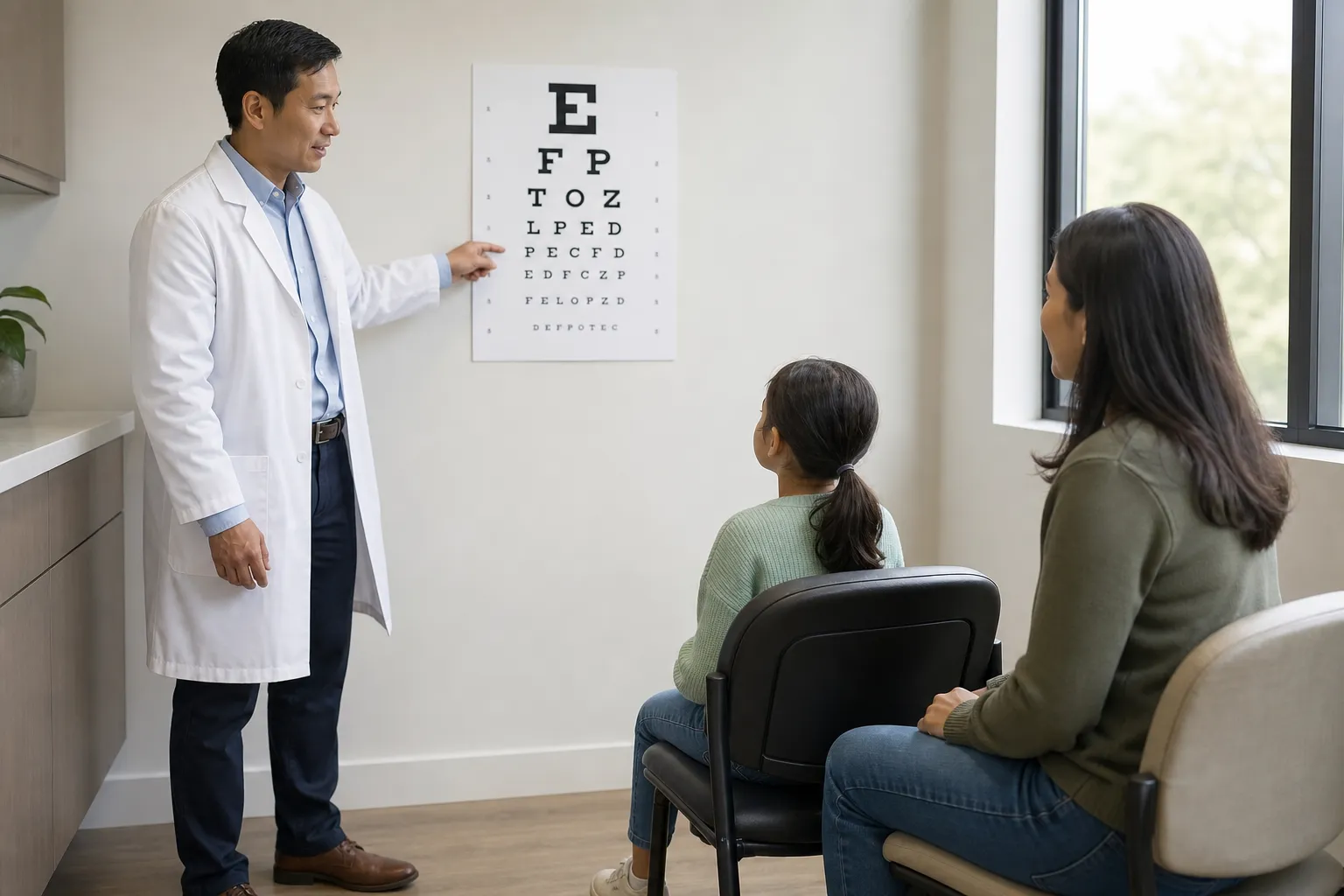
An eye doctor visit social story can include the same basic arrival and conversation steps, while explaining that eye care appointments often involve different rooms and tests. An optometrist or ophthalmologist may ask about vision, headaches, glasses, eye comfort, or changes noticed at school or home. Staff may ask the person to identify letters, shapes, or images at a distance, look in particular directions, or place their chin or forehead near examination equipment. The exact tests depend on the appointment, the person’s age, their communication, and the clinician’s judgment, so a story should not state that every test will happen.
Some eye appointments may involve looking at a light, having the eyes photographed, or receiving drops that can make vision blurry for a period of time. These are possibilities to confirm with the eye clinic, not assumptions to place in every story. If drops are expected, a family can ask the clinic what they are for and what the visit may be like afterward, then use that clinic-specific information. It is better to say that a staff member may explain a test than to assure someone that a test will be easy or feel a particular way.
For an autistic person with communication differences, a vision question such as “Can you see that clearly?” may not always produce a quick answer. The person may benefit from being able to describe what they notice in their own terms, or from having a supporter share observations with permission. An eye doctor visit social story can normalize asking for a question to be clarified and can identify who knows the person’s communication style. It can also name that it is acceptable to tell the clinician if the person does not understand what is being asked. This supports clearer information-sharing without requiring a particular response style.
Reviewing the experience and updating future preparation
After the visit, a brief, low-pressure review can help make the next one more predictable. The family might notice which parts happened as expected, which parts changed, what questions were answered, and what the person wants included or left out next time. The person does not have to give a detailed verbal recap for the review to be useful. They may communicate their impressions later, through a preferred form of communication, or not wish to discuss every part of the appointment.
Updates are especially important after a first visit to a new practice. A story can be revised with concrete facts: the entrance used, the usual waiting area, the name or role of a familiar staff member, or the sequence that actually occurred. It should also retain flexibility. A future visit may have a different clinician, a different reason, or a different wait. Keeping uncertainty visible prevents the social story from becoming an inaccurate script that the person is expected to follow.
If a child’s anxiety is persistent, intense, or affecting daily life, or if there are ongoing concerns about communication, parents and carers can discuss those concerns with an appropriate qualified healthcare professional. The CDC resources on anxiety and depression in children and autism spectrum disorder, along with ASHA information on communication disorders, offer non-diagnostic background information. A social story is an informational support for preparation; it does not replace clinical assessment, medical advice, or a conversation with the person’s healthcare team.
Frequently asked questions
What should an autism doctor visit social story include?
Include the specific appointment purpose, where the visit will happen, who may be there, the likely order of events, possible examinations or tests that the clinic has confirmed, and what may be unknown. Use direct, respectful wording and distinguish likely events from possibilities. Add the individual’s communication preferences and questions when they want them included.
How is an eye doctor visit social story different from a general doctor visit story?
An eye doctor visit social story can explain vision-related questions and possible activities such as looking at letters, shapes, images, lights, or examination equipment. It should not assume that every eye test, photograph, or eye drop will occur. Confirm clinic-specific details and describe them as possibilities when the plan may change.
Can a social story help with anxiety about a doctor visit?
It may help some people and families discuss the sequence of an appointment, identify unknowns, and prepare questions together. It is not a treatment for anxiety and cannot guarantee that a person will feel calm or that the visit will go exactly as described. Ongoing or significant anxiety can be discussed with a qualified healthcare professional.
Keep exploring
Related social stories
These guides cover situations with similar routines, sensory details or preparation needs.


Learn more about writing a social story
Read what a social story is, follow the step-by-step writing guide, or browse more social story examples.
Sources
- Autism spectrum disorder — Centers for Disease Control and Prevention
- Anxiety and depression in children — Centers for Disease Control and Prevention
- Communication disorders — American Speech-Language-Hearing Association
