
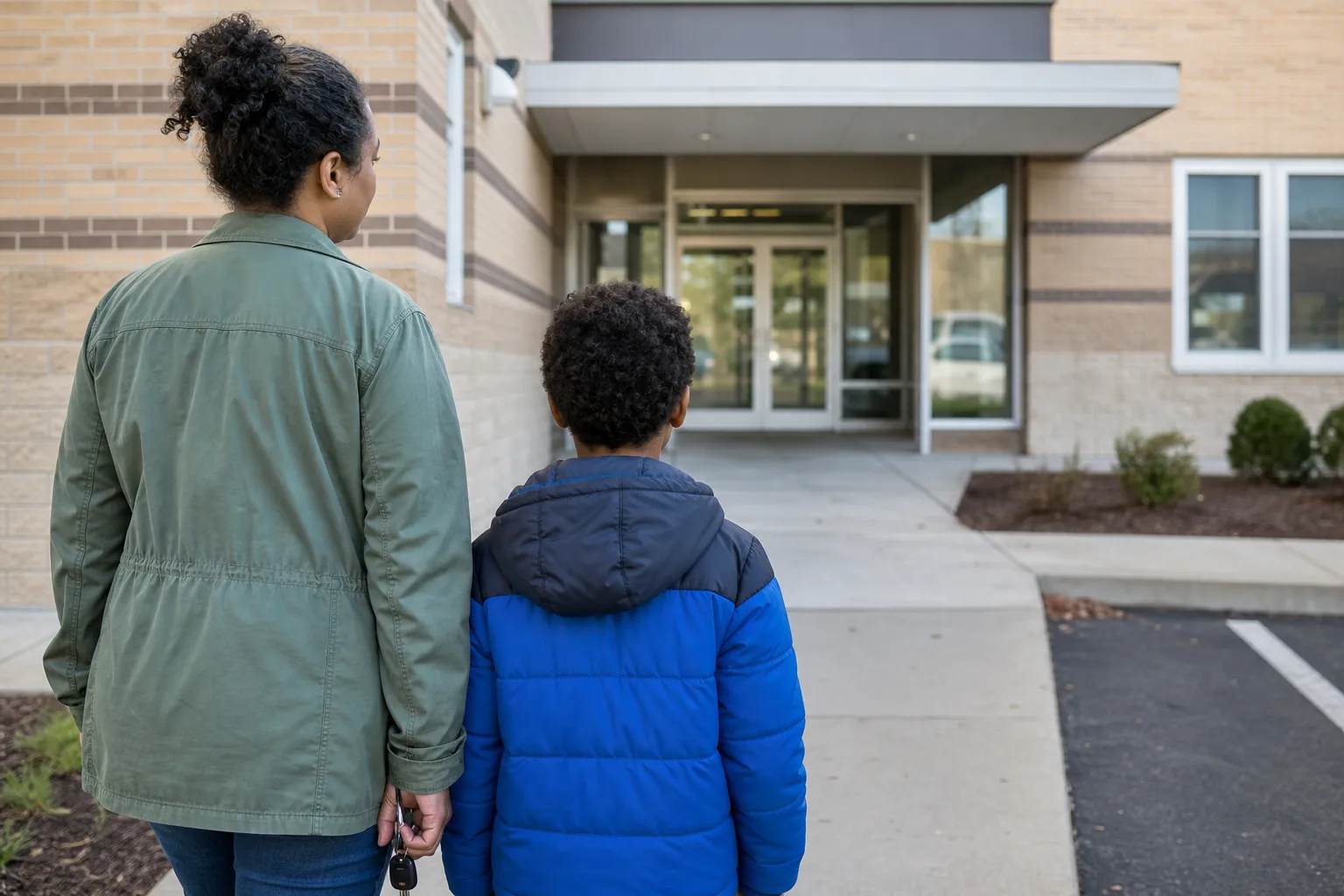
A vaccine appointment is often brief, but the uncertainty around it can feel much bigger than the injection itself. There may be a new building, unfamiliar adults, waiting, questions that are hard to answer on the spot, a change in routine, or a sensation that arrives quickly. A personalised vaccination social story can give a child or young person a truthful preview of the particular appointment their family is planning. It is not meant to persuade someone to feel calm, make discomfort disappear, or require a certain response. Instead, it can create shared language for what may happen, what is known, what is not yet known, and which choices might be available. This guide is for adults supporting an autistic child or another child or young person with anxiety, sensory experiences, or communication differences. These experiences vary widely within and beyond autism, so the most useful getting a vaccine social story is built around the individual rather than a diagnosis.
Why a vaccination social story can start with uncertainty, not reassurance
A vaccination social story is a short, personalised explanation of an upcoming event. For a vaccine visit, it can describe the route from home to the appointment, the people who may be there, the order of likely steps, the injection, and what happens afterward. Its value is not in making a promise that the visit will be easy. Honest preparation can be more respectful and more useful than broad reassurance, especially for a child or young person who notices when adults leave out difficult parts.
A vaccine is given by a trained healthcare professional. The appointment may include check-in, questions about health history or consent processes, waiting, and receiving the vaccine in an arm or another recommended location. The exact process depends on the person’s age, the vaccine, the clinic, local procedures, and clinical guidance. A story can say that some details may change on the day. That leaves room for a delayed appointment, a different room, a different clinician, or additional questions without making the story feel untrue.
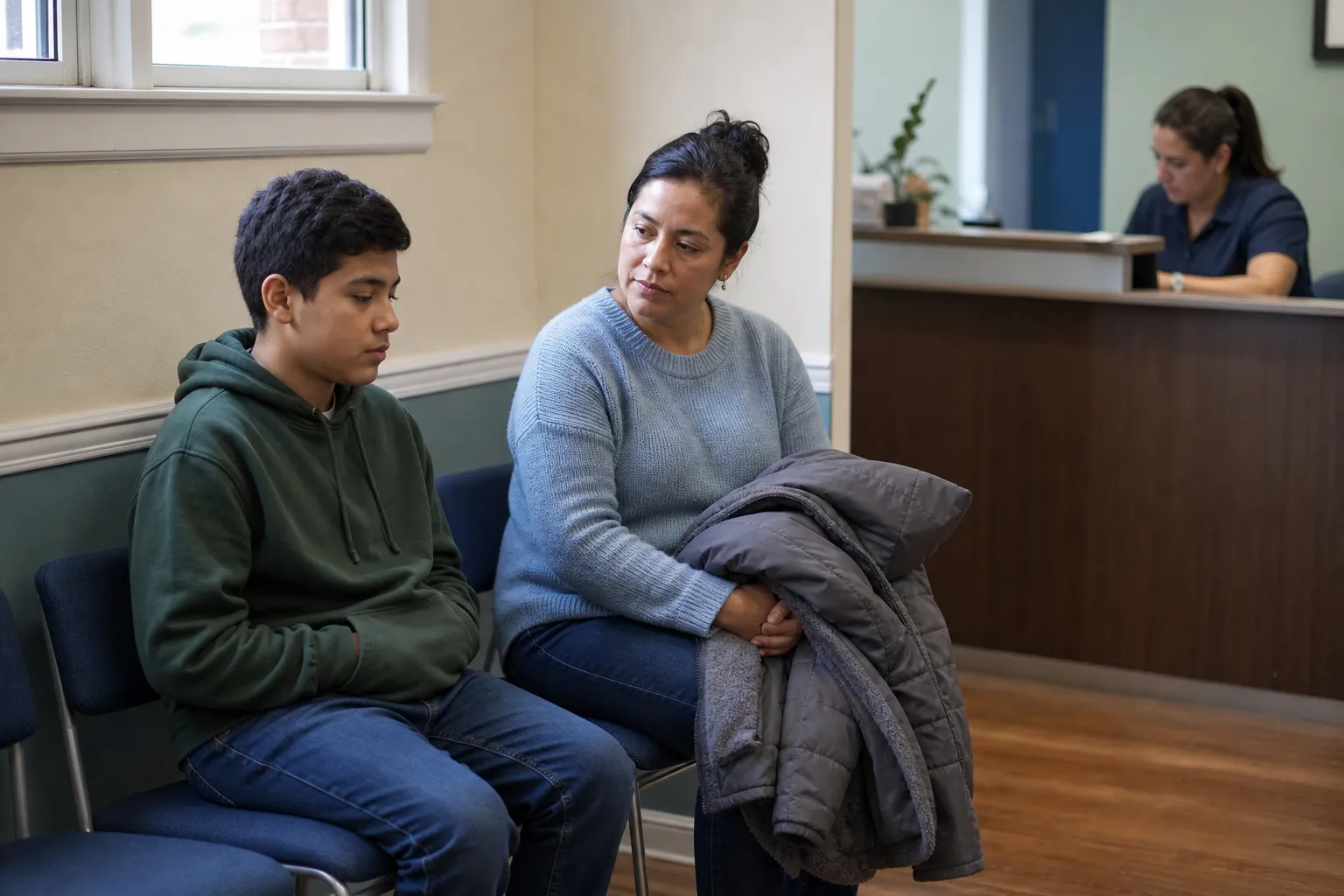
Families may encounter the phrases vaccine social story, getting a vaccine social story, and autism getting a vaccine social story when looking for preparation materials. The label matters less than whether the content fits the person. A generic account may assume a child will sit still, answer questions aloud, accept touch, or feel proud afterward. Those assumptions do not fit everyone. A personalised version can use the person’s preferred name, communication style, everyday words, and actual appointment details while allowing for a full range of feelings and reactions.
Possible anxiety experiences before and during the visit
Anxiety can involve worry, anticipation, physical tension, racing thoughts, irritability, avoidance, or a strong need for more information. Children and young people can show anxiety in many ways, and a behavior that looks like refusal may also communicate uncertainty, fear, overload, or a wish for more control. The Centers for Disease Control and Prevention notes that anxiety can affect children and that concerns may show up differently from one child to another. A vaccine appointment alone does not establish an anxiety condition, and this guide cannot assess or diagnose anxiety.
For some people, the hardest part is the days before the visit: hearing it mentioned repeatedly, imagining the needle, or not knowing when it will happen. For others, anxiety rises in the waiting room or when the clinician begins preparing supplies. A social story can separate the event into smaller, predictable stages and name the possibility that waiting may occur. It can also state plainly that a person may have worried feelings and can communicate them in their own way.
Concrete choices can be included only when they are genuinely possible for that particular clinic and person. Depending on clinic policy and clinical needs, a family might be able to ask about appointment timing, who comes into the room, whether a child waits in a quieter place, whether questions can be discussed ahead of time, or whether the child can choose where to look. Some people may prefer to know each step before it happens; others may prefer fewer spoken details once they have agreed on a plan. A story should not present any option as guaranteed until the family has checked it with the healthcare team. Example sentence: “I may feel worried while I wait, and I can show or tell my grown-up.”
Sensory experiences: describe sensations accurately and without minimizing them
Sensory experiences can shape how a vaccine visit feels. A clinic may include bright lighting, conversation, hand sanitizer smells, paper on an examination table, a crowded entrance, clothing textures, or the sound of wrappers and equipment. The injection itself may involve skin cleaning, pressure, a quick sharp sensation, or soreness afterward. Some people notice these sensations only briefly; others find them intense, distracting, or difficult to recover from. There is no single autistic sensory profile, and sensory differences are not limited to autistic people.
A useful vaccination social story can identify known sensory features of the actual site without turning them into threats. It might distinguish between what is likely and what is uncertain: the family may wait in a room with other people, the clinician may clean the skin, and the time in the vaccination room may be short. It can acknowledge that the room could be noisy or that the person may dislike the smell or feel of an item. Clear wording such as “The feeling may be quick, and it may still be unpleasant” avoids both exaggeration and dismissal.
Families can discuss possible preferences with the clinic rather than assuming every setting can offer the same arrangement. Possibilities may include asking about a less busy time, waiting elsewhere until the appointment is ready, wearing familiar comfortable clothing that allows access to the recommended vaccination site, bringing an ordinary familiar object, having a trusted person nearby, or choosing a position that is acceptable to the clinician. Whether any of these are suitable or available depends on safety, staffing, clinic procedures, and the person’s needs. A story can describe the confirmed plan and avoid including unconfirmed accommodations.
Communication differences: make room for more than spoken answers
Communication differences may affect how someone understands explanations, asks questions, shows consent or discomfort, processes language under stress, or responds to unfamiliar adults. The American Speech-Language-Hearing Association describes communication disorders as differences that can involve speech, language, hearing, or social communication; people’s abilities and support needs are individual. A person may communicate fluently in familiar settings and have less access to speech when anxious or overloaded. Another person may communicate best through gestures, signs, writing, pointing, or a communication system they already use.
A getting a vaccine social story can help adults agree on words that are clear and concrete. It can say what the adult will do, what the clinician may say, and what the child or young person can communicate. Avoid vague phrases such as “It will be fine” or “Don’t worry,” which do not explain what will happen. It can be helpful to distinguish a question from a choice. For example, a clinician may need certain information or may need to follow a specific safety procedure, while other details may be flexible.
The story can also prepare the adults involved. A parent, carer, or educator might share relevant communication information with the healthcare team in advance or at check-in, if the family chooses. That could include how the person indicates pain, needs extra processing time, uses a familiar communication method, or prefers adults to address them. The aim is not to make the person perform communication in a preferred way; it is to help others recognise their communication. Example sentence: “I can use my usual way of communicating if I need a pause or have a question.”
How to personalise the sequence without writing a script for the child
Begin with information that is specific enough to orient the person: the date or general time, the location, who is expected to go, how travel may happen, and what is likely to happen first. Then describe the appointment in a simple sequence: arrive, check in, wait if needed, meet a healthcare professional, receive the vaccine, and leave or wait briefly afterward. Include only steps that are likely at that clinic. If a detail is unknown, name it as unknown rather than guessing.
Use a respectful first-person or third-person voice according to the child or young person’s preference. Short sentences and familiar terms can reduce language load, but simple language should not be patronizing. Some people want precise terms such as “vaccine,” “needle,” or “injection.” Others prefer a phrase they have already chosen. It is generally better not to hide the injection behind an inaccurate description, because trust can be harmed if the event differs from the preview.
Include realistic choices and boundaries. The person may be able to choose a sleeve, a gaze direction, whether to speak, or which trusted adult is nearby, when those choices have been confirmed. They may not be able to choose every part of the healthcare procedure. It is fair to say both things. Similarly, the story can state that a person may cry, be quiet, ask many questions, move, or feel relieved afterward, without presenting any of these as expected or wrong. The American Academy of Pediatrics notes that temperament influences how children respond to situations; a child’s response to novelty, discomfort, or separation may not match a sibling’s response or a previous appointment.
Review the plan together and leave space for the appointment to be different
Read or discuss the personalised vaccine social story at a time when the child or young person is not already rushed or overwhelmed. One review may be enough for some people; others may want to return to particular facts or ask the same question more than once. Repetition can be a way of seeking predictability, not a sign that the person has failed to understand. Adults can answer with the information they know and be direct about information they do not know yet.
Before the appointment, families may want to identify what information the healthcare team should know and which parts of the plan are important to confirm. This might include a history of difficult medical visits, communication preferences, sensory concerns, or questions about the process. The clinic can explain what it can and cannot do. For medical questions about vaccines, eligibility, side effects, timing, or a person’s health history, the appropriate source is the person’s qualified healthcare professional or local public-health guidance, not a social story.
Afterward, revisit the account with care. The aim is not to judge whether the person coped “well.” Instead, adults can notice what matched the preview, what was different, what helped, and what the person wants changed for another healthcare visit. Updating the story based on lived experience can make it more accurate. A personalised vaccination social story is a preparation and communication resource, not medical advice, a guarantee of reduced anxiety, or a replacement for clinical guidance.
Frequently asked questions
What should a vaccination social story say about the needle?
Use accurate, age- and person-appropriate wording. It can say that a healthcare professional will give the vaccine with a needle, that there may be a quick sharp feeling or pressure, and that the feeling may be unpleasant. Avoid promising that it will not hurt, that it will be over immediately, or that the person will feel a particular way. Include confirmed details about what happens before and after the injection.
Is an autism getting a vaccine social story different from one for any other child?
It may be, but it does not need to follow a fixed autism template. An autistic child or young person may have anxiety, sensory experiences, or communication differences that are relevant to planning, while another may not. The strongest version reflects the individual’s preferences, past healthcare experiences, communication, and actual clinic plan rather than making assumptions based on autism.
Can a social story replace speaking with the vaccine provider?
No. A social story can help a family prepare questions and share useful information, but it does not replace communication with the healthcare team. Contact a qualified healthcare professional for advice about vaccines, health history, eligibility, scheduling, possible side effects, or concerns about the appointment.
Keep exploring
Related social stories
These guides cover situations with similar routines, sensory details or preparation needs.

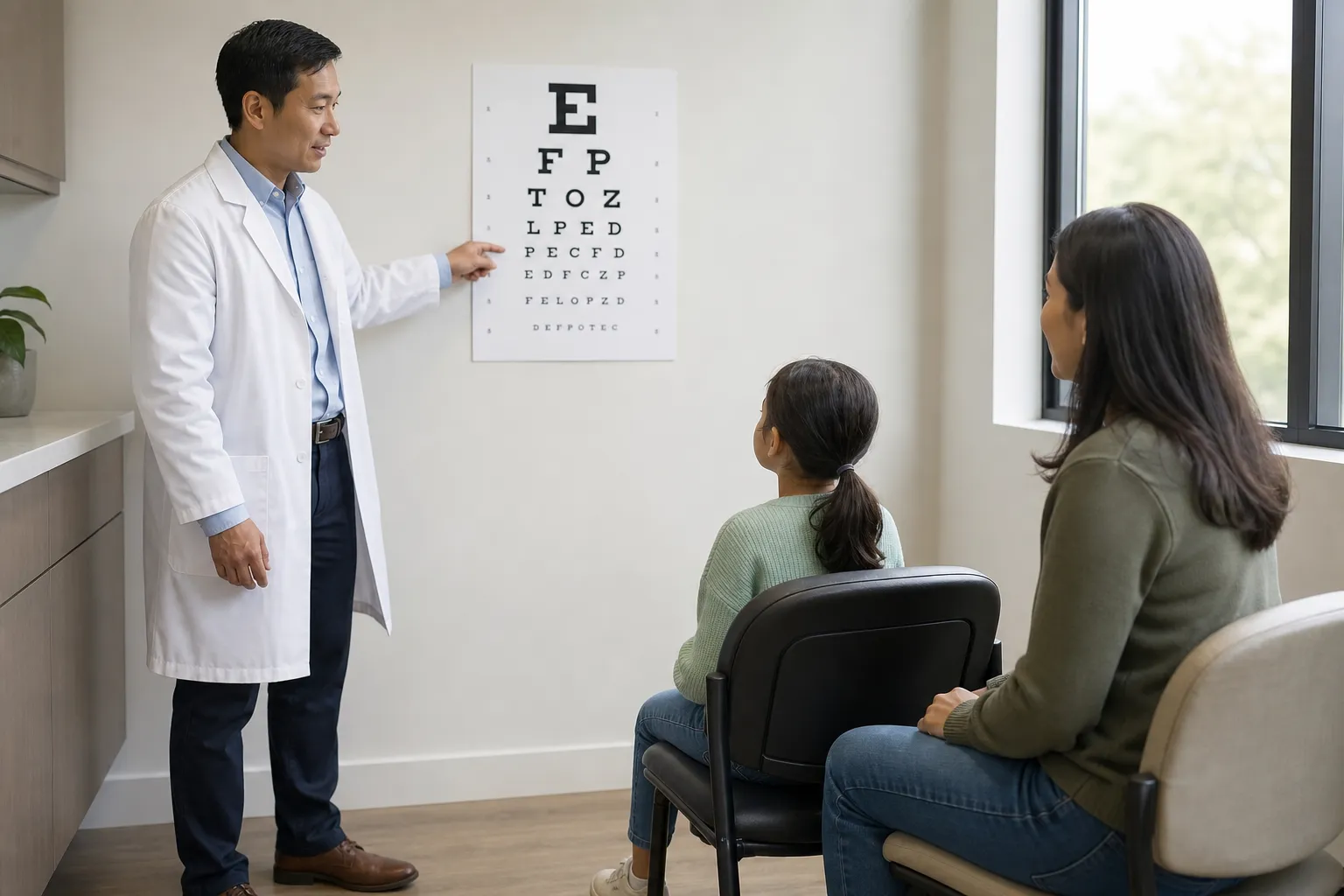

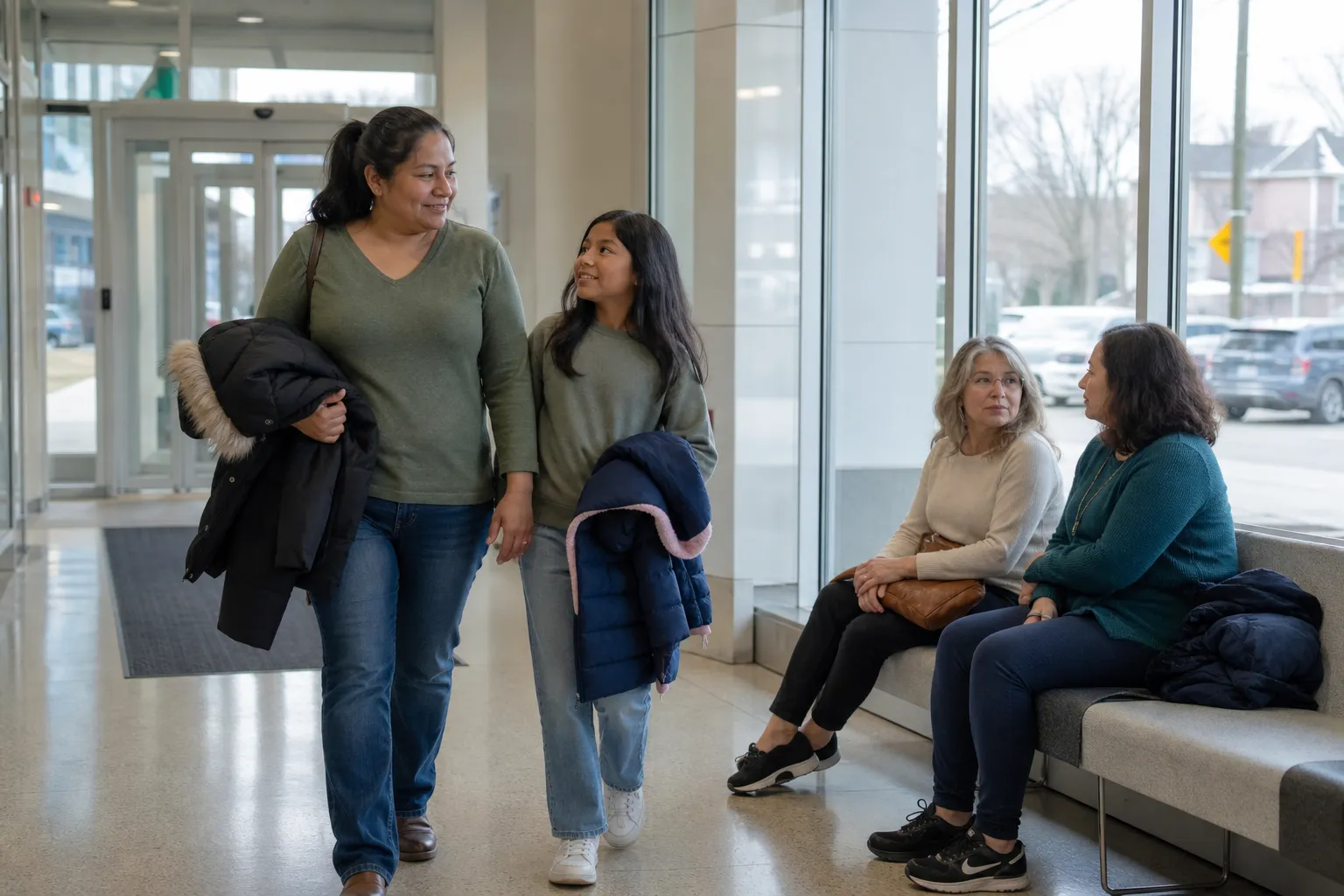
Learn more about writing a social story
Read what a social story is, follow the step-by-step writing guide, or browse more social story examples.
Sources
- Anxiety and depression in children — Centers for Disease Control and Prevention
- Communication disorders — American Speech-Language-Hearing Association
- Understanding your child's temperament — American Academy of Pediatrics
