
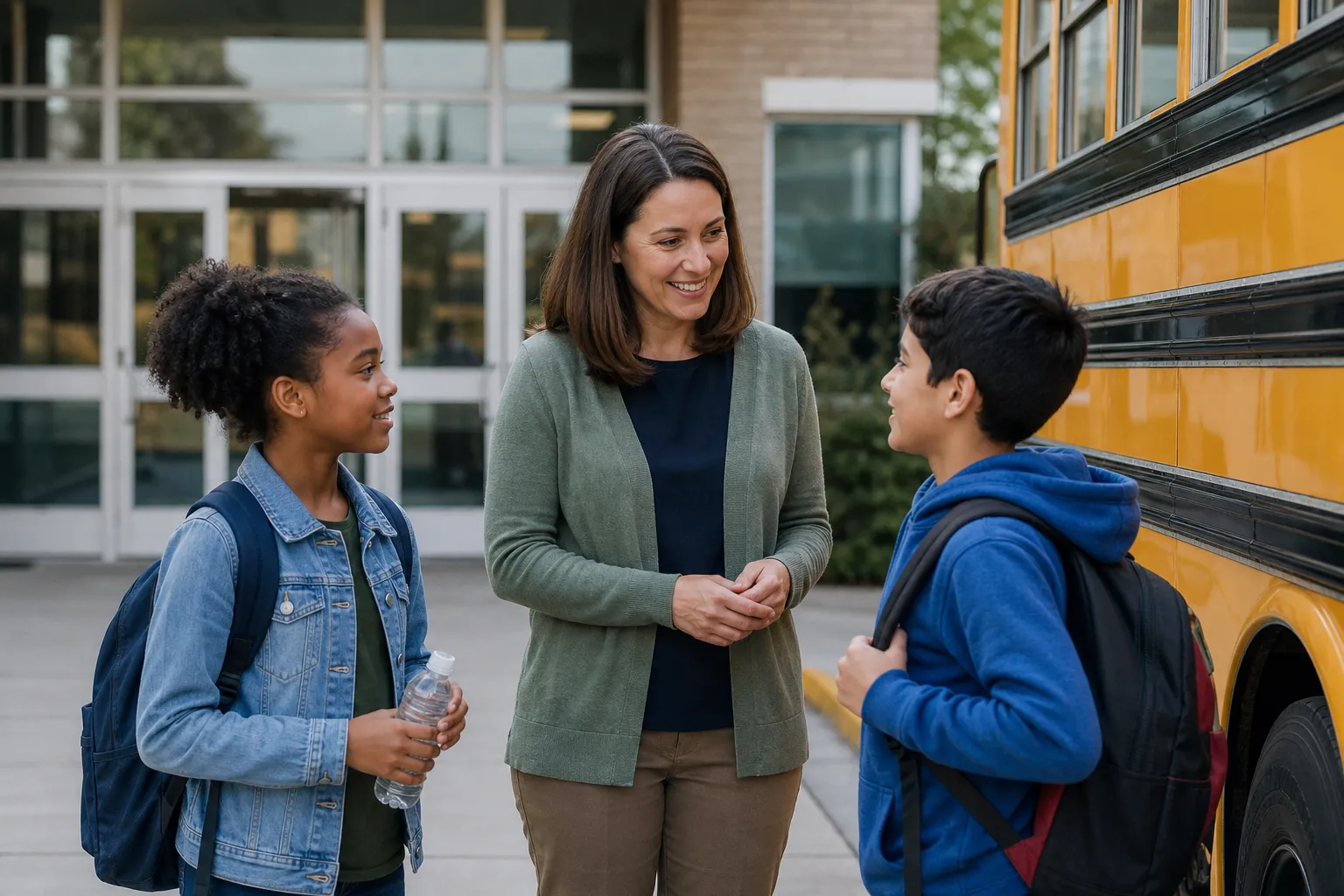
A school field trip can hold two true things at once: it may offer a meaningful chance to explore somewhere new, and it may make an ordinary school day feel much less predictable. The bus may arrive at a different time, familiar classroom routines may pause, and there may be new adults, crowds, sounds, waiting, or a change to the plan. A personalised field trip social story can give a child and the adults who know them well a calm way to talk through those possibilities before the day arrives. It is not a promise that the trip will be easy, nor a script the child must follow. Instead, it can describe what is known, acknowledge what may vary, and identify realistic choices that may be available.
Why a field trip can feel different from a usual school day
A field trip changes more than location. It can change the morning routine, who is nearby, how adults give directions, when food is eaten, where bathrooms are, how long the day feels, and how a child gets home. Even a trip to a familiar local place can involve unfamiliar expectations. Some children may be excited by this difference; others may feel uncertain, tired, overstimulated, or both excited and worried at different points.
For a child with autism, the effort of processing a fast-moving social and sensory environment may be greater on a school trip than in a familiar classroom. Autism is a developmental difference with wide variation between people. It does not mean that a child will necessarily dislike outings, crowds, noise, novelty, or travel. Some autistic children enjoy detailed information about the destination or find a special-interest connection motivating. Others may find particular sensory input, unclear social expectations, unexpected waiting, or a loss of routine difficult. The Centers for Disease Control and Prevention notes that autism spectrum disorder can involve differences in social communication, restricted or repetitive behaviors or interests, and sensory responses, but each person’s profile is individual.
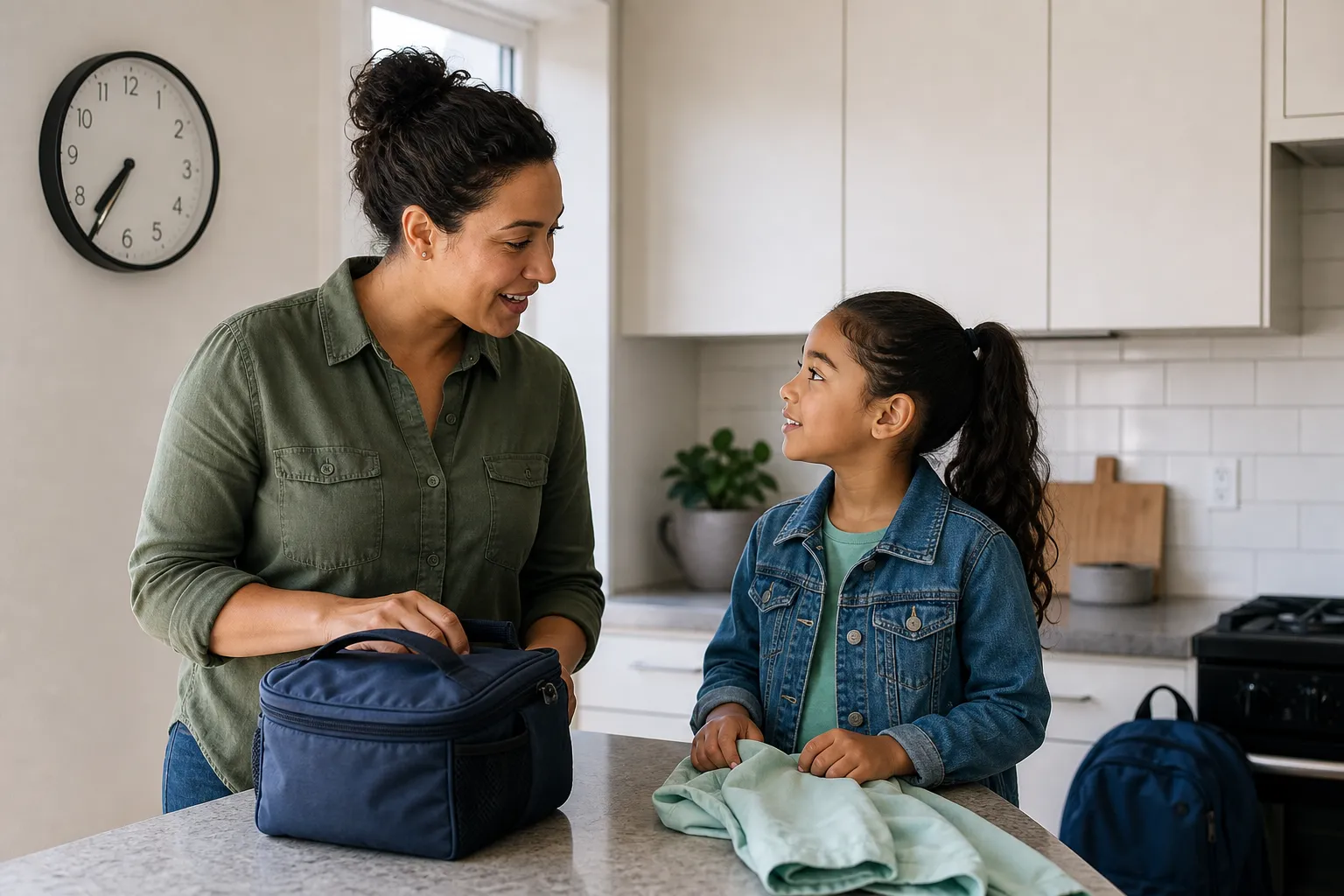
Anxiety can also make uncertainty feel especially large. A child may wonder whether they will find their group, know where to sit, cope with a loud bus, use an unfamiliar restroom, or manage if they need a break. Physical feelings such as a faster heartbeat, stomach discomfort, shakiness, or trouble concentrating can occur with anxiety, though those feelings can have many causes and should not be used to label a child. The CDC describes anxiety in children as more than occasional worry when it persistently affects daily life; a field trip concern alone does not establish an anxiety condition. Families can focus on the child’s stated experiences and observable needs rather than assuming a diagnosis or motive.
What a personalised school field trip social story can do
A field trip social story is a short, individualized explanation of an upcoming event. It uses accurate, respectful language to make the situation more understandable from the child’s point of view. For a school field trip social story, the most useful details are usually specific: the destination, date if known, departure point, travel method, approximate sequence, adults who may be there, meal arrangements, and what happens at the end of the trip. It can also name uncertainty honestly, because pretending every detail is fixed may reduce trust if plans change.
The purpose is preparation, not compliance. A social story can help a family and school team notice which parts of the day are likely to matter most to one child. One child may want to know exactly who will be in their group. Another may care most about whether the museum is dark, whether lunch is indoors, or whether they can keep a preferred item in their bag. The conversation involved in making the story may be as valuable as the finished text: it creates room for the child to share questions, preferences, and concerns in a lower-pressure moment.
A useful school trip social story can also distinguish facts from possibilities. Facts might include that the class will meet in the school hall or travel by bus. Possibilities might include that traffic could make the ride longer, another group may be at the venue, or the weather may change the outdoor portion of the day. Honest wording such as “The plan may change if something unexpected happens” avoids presenting change as failure. Example wording, not a complete story: “I may hear many different sounds on the bus, and I can tell an adult if I need help.”
Information to gather before writing together
Start with information that the school can confirm, then leave out details that are unknown or likely to change. Families may ask the teacher or trip organizer about the route, start and return windows, transportation, planned activities, lunch, restroom access, group arrangements, clothing expectations, and the names or roles of familiar adults. If the destination has a website, publicly available photos of the entrance or key spaces may help some children connect words with a place, while other children may prefer a verbal explanation. The child’s preference should guide how much detail is useful.
It can help to think through the day in small stages: getting ready at home, arriving at school, meeting the group, traveling, entering the venue, moving between activities, eating, using the restroom, returning to school, and going home. This is not meant to turn every moment into a demand. Rather, it helps reveal transition points where a child may have questions. Changes and transitions can be demanding because they require a person to shift attention, expectations, location, or activity. A child may need more time to process one transition and very little support for another.
Include the child’s own knowledge whenever possible. They might say that they enjoy buses but dislike waiting in a crowded doorway, want to see an animal exhibit but not a film room, or prefer to ask questions after an adult has finished speaking. They may communicate these preferences with speech, gestures, behavior, writing, or augmentative communication. Avoid interpreting silence as agreement. A draft can be revisited after the child has had time to think, and adults can update it when the school shares new information.
Writing in a way that is honest, respectful, and usable
Use first-person language only if it feels right for the child; some children prefer their name or third-person wording. Keep sentences concrete, brief, and neutral. Describe what adults are likely to do without implying that the child must feel a particular way. “I might feel excited, unsure, or both” makes room for different reactions. Statements such as “I will be brave,” “I must have fun,” or “I should not worry” can unintentionally judge real feelings and may not help a child understand what will happen.
Build the content around the child’s actual day rather than a generic autism school field trip social story found online. A template may prompt useful questions, but it cannot know whether this child is traveling in a minibus or walking to a library, whether they will be with a familiar peer, or whether the destination has a quiet courtyard. Specificity matters more than length. If a detail is uncertain, say so plainly: the group may take a different route, lunch may be earlier or later than usual, or an activity may be unavailable.
Mention concrete choices only when they are genuinely possible in that setting and have been discussed with the relevant adults. Depending on the plans, a child may be able to tell a familiar adult they have a question, ask where the group is going next, stand beside a chosen peer, take a drink break when the group stops, or use a quieter area if the venue and supervision arrangements allow. These are possibilities, not promises or instructions. Example wording, not a complete story: “If I am unsure where to go, I may ask my teacher or another adult in my group.”
Preparing together without making the trip a test
Reading or discussing the personalised field trip social story at a calm time can allow questions to emerge gradually. Some families may look at it more than once in the days before the trip; others may find a single conversation is enough. The child may want to add a question, correct an adult’s assumption, or set the story aside. Participation can look different from child to child, and not wanting to talk at one moment does not mean preparation has failed.
A family can also use ordinary conversation to connect the trip with familiar parts of life: getting ready in the morning, traveling somewhere, eating away from home, or returning after an outing. Family routines can provide an anchor when one day differs from usual. The American Academy of Pediatrics discusses routines as a source of stability and connection for children, while also recognizing that families have different circumstances. The goal is not to make the field trip feel exactly like home; it is to identify a few familiar reference points in an unfamiliar day.
It is useful for adults to make space for mixed outcomes. A child may enjoy one part of the trip and find another part hard. They may participate differently than peers, need time to recover afterward, or have a positive experience that is not outwardly enthusiastic. Afterward, a low-pressure conversation can identify what was accurate, what changed, what the child liked, and what they would want adults to know before another outing. This feedback can make a later school field trip social story more precise and more genuinely collaborative.
Working with school staff around autism, anxiety, and transitions
A field trip is usually easier to plan when families and school staff share practical information early. Families can describe what tends to help the child understand a change, what signs may indicate they are becoming overloaded or worried, and how the child commonly communicates a need. Staff can clarify which details are confirmed and which decisions will be made on the day. This exchange should center the child as a person with preferences and skills, not as a list of problems to manage.
Do not assume that autism and anxiety are interchangeable. An autistic child may experience anxiety, but autism itself is not an anxiety disorder. Likewise, a child can be anxious about a school trip without being autistic. Some experiences can overlap, such as wanting predictability or finding a noisy environment difficult, but the reasons and helpful responses may differ by individual and context. Using specific observations—“crowded entrances have been hard before” or “they ask repeatedly when the bus will leave”—is generally more useful than broad labels alone.
A social story is informational support, not a clinical intervention, behavioral contract, or guarantee. It cannot prevent distress, eliminate uncertainty, or replace a school’s own planning and safeguarding responsibilities. If worries about trips or other everyday activities are persistent, intense, or affecting a child’s daily life, a parent or carer may choose to speak with an appropriate health professional or school contact. The CDC’s information on anxiety and depression in children offers general context on when concerns may warrant further conversation. For the trip itself, a respectful plan leaves room for the child’s communication, changing needs, and the reality that a successful day can look many different ways.
Frequently asked questions
What should be included in a field trip social story?
Include only details that are relevant and reasonably reliable: where the class is going, how they will travel, who may be with the child, the broad order of the day, food or restroom information if known, and how the group will return. Name likely uncertainties honestly, such as traffic, weather, waiting, or changes to an activity. Personalize the wording to the child’s questions, communication style, preferences, and prior experiences.
Is a school field trip social story only for autistic children?
No. A personalised social story may be useful for any child who wants clearer information about an unfamiliar or changing school event. It can be particularly relevant when autism, anxiety, or changes and transitions affect how a child experiences uncertainty, sensory input, routines, or group activities. It should not be used to assume that every autistic child or anxious child needs the same preparation.
When should families start talking about a school trip?
There is no single right timeline. Some children benefit from learning the main facts well ahead of time and revisiting them as the date approaches. Others may become more worried with too much advance focus and may prefer a shorter lead-in. Families can use what they know about the child, while updating information when the school confirms plans or when something changes.
Keep exploring
Related social stories
These guides cover situations with similar routines, sensory details or preparation needs.

Learn more about writing a social story
Read what a social story is, follow the step-by-step writing guide, or browse more social story examples.
Sources
- Autism spectrum disorder — Centers for Disease Control and Prevention
- Anxiety and depression in children — Centers for Disease Control and Prevention
- The importance of family routines — American Academy of Pediatrics
