
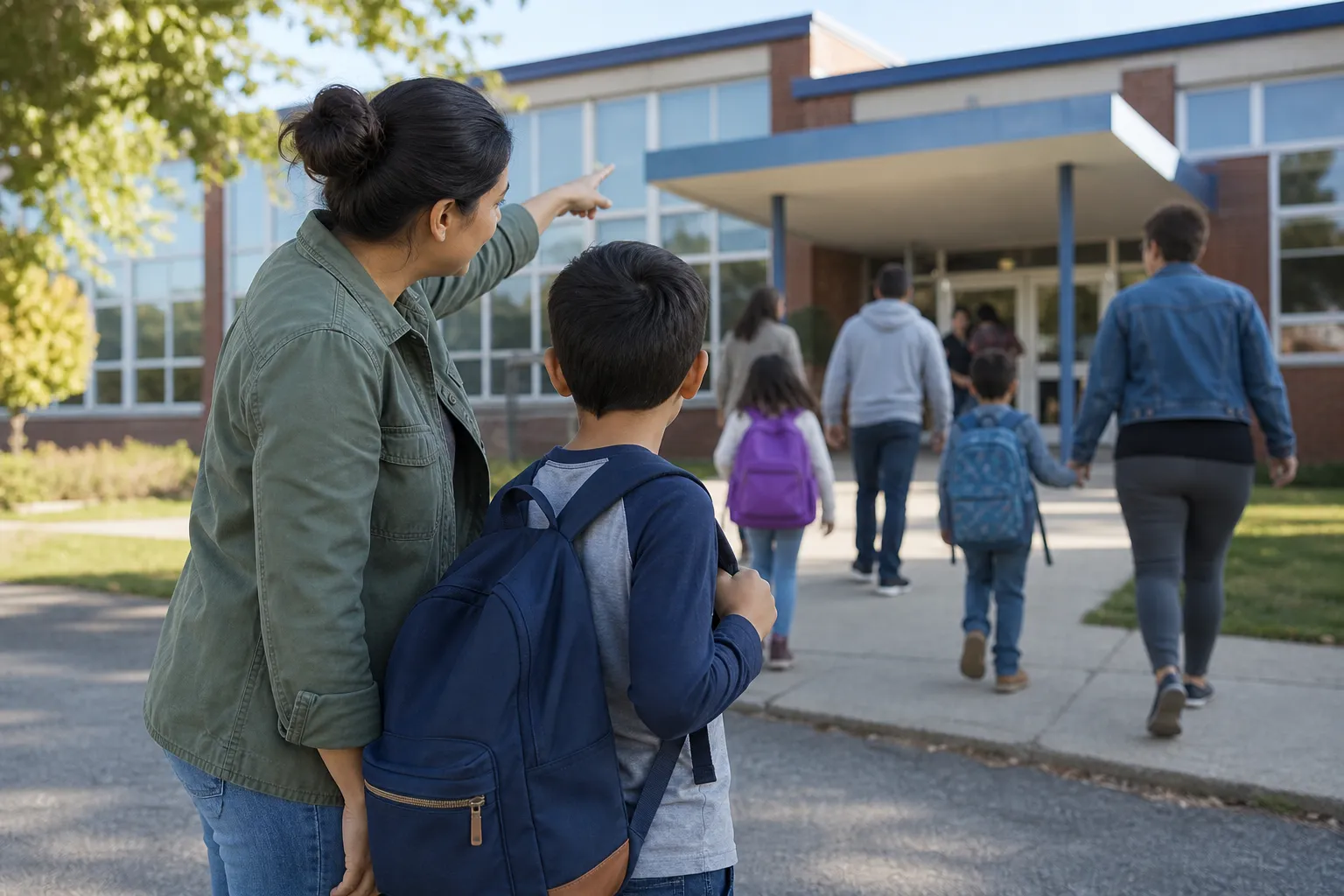
A school fire drill can be brief on the timetable and still feel very large in a child’s day. It may interrupt a preferred activity, bring an unexpectedly intense alarm, change the usual route through school, and require waiting outdoors with many people nearby. For some children, the challenge is not one single part of the drill but the rapid pileup of sensory input, uncertainty, and changed expectations. A personalised fire drill social story can give a family and school team a shared way to talk about what may happen, what is known, and what can vary. It is not a promise that a drill will feel easy or that every drill will unfold the same way. It is a calm, honest preparation tool that can make the event more understandable.
Why a fire drill can feel different from an ordinary school transition
A fire drill is designed to practice a safety procedure, but a child may experience it as a sudden disruption rather than as practice. Classes may stop mid-task. Adults may speak more loudly or use short directions. Hallways can fill quickly, familiar routines can pause, and the group may stand in a different place than usual. Even when the school has told families that a drill is planned, the exact moment may be unknown to a child.
For autistic children, differences in sensory processing, preference for predictability, communication, or transitions can shape how a drill is experienced. Autism is a neurodevelopmental difference with wide individual variation; no reaction to alarms, crowds, or changes is shared by all autistic people. One child may be mainly bothered by the alarm’s volume, another may be focused on whether they will finish their work, and another may find the waiting period outside most difficult. Some children may not seem distressed during the drill but may need quiet, familiar routine, or extra recovery time afterward.
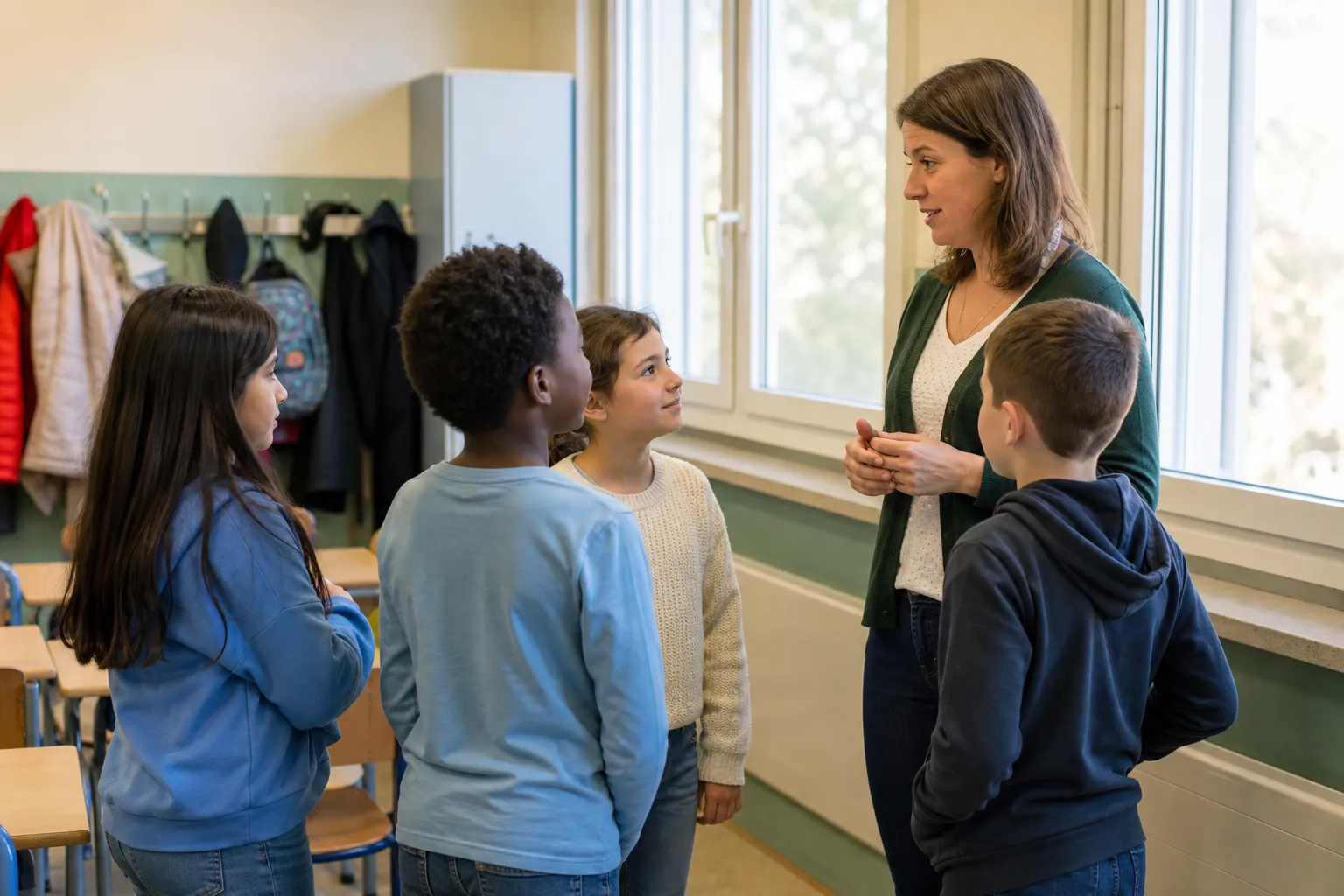
Sensory experiences can matter without being a sign of misbehavior or a lack of understanding. A siren may feel piercing, vibrations may be noticeable, fluorescent lighting and crowded movement may add to the load, and outdoor weather can be uncomfortable. A child may cover their ears, become quiet, speak more, move quickly, seek certainty, cry, laugh, freeze, or show no obvious response. These are possible responses, not a checklist of traits or an indicator of what a child can manage next time. Observing patterns over several drills can be more useful than assuming the cause of a single reaction.
Anxiety, uncertainty, and the meaning a child gives the alarm
An alarm can communicate danger in everyday life, while a school drill is a planned practice event. That distinction may be hard to hold onto when the sound is happening, especially for a child who worries about safety, dislikes surprises, or has had a frightening experience. Anxiety can involve thoughts, feelings, body sensations, and behavior, and children express it in many different ways. A child may ask repeated questions before a possible drill, insist on details, resist going to school, or appear calm until later. These experiences deserve curiosity rather than dismissal.
A personalised social story can state the difference carefully: some alarms happen for practice, and adults at school will guide students during either a drill or an emergency. It should not tell a child that there is never a real emergency, that the noise will not be hard, or that they must feel calm. Over-reassurance can undermine trust if the alarm is genuinely loud or the event takes longer than expected. Honest wording leaves room for feelings and for variation.
Changes and transitions are often central. A drill can switch a child from classwork to movement, then from movement to waiting, then back into a lesson that may no longer feel easy to restart. Naming these separate transitions can make the experience less like one unexplained event. A family might learn that the child is comfortable leaving the classroom but finds re-entering and returning to unfinished work more difficult. That insight can shape what the social story includes.
What a personalised fire drill social story can do
A fire drill social story is a short, individualised explanation of a social situation and the relevant expectations, context, and possible responses. For school fire drill social story planning, its value is not in making a child perform a standard reaction. Its value is in reducing ambiguity through respectful, accurate information. It can help a child connect an unfamiliar event with people, places, sequences, and language they already know.
Personalisation matters because schools differ. One class may exit through a side door; another may use a stairwell. Some drills are announced to staff but not students, some have a planned time window, and weather or attendance can affect the experience. Ask the school for details they can reliably share: where the class usually goes, which adults may be present, whether students may return to the room afterward, and what parts of the process may change. Avoid filling gaps with guesses. A story can say that the teacher will tell the class where to go if the usual route cannot be used.
The story can also acknowledge agency without suggesting that a child can choose the safety procedure. Concrete, honest possibilities include letting a trusted adult know that the alarm felt too loud, asking a familiar person a question before or after the drill, looking for a known adult at the assembly point, or using words, gestures, or another established communication method to show discomfort. Whether any particular option is available depends on the child and school. A social story should reflect existing plans rather than create promises that the school has not agreed to honor. For example: “The alarm may sound loudly. I can move with my class while I notice the sound.” This is only an example sentence, not a complete social story.
Information to gather before writing together
Preparation is often strongest when the child’s own perspective is included in a way that works for them. A parent, carer, or educator might notice what the child says, does, avoids, or seeks around alarms and transitions. They may also ask simple, specific questions at a calm time: What part of a drill is easiest? What part is not easy? What do you want to know about leaving the room? Some children may answer directly; others may communicate preferences through behavior, choices, drawing, movement, or later comments. It is fine if a child does not want to discuss the topic for long.
Useful school-specific information can include the likely sequence: an alarm may sound; adults may direct the class to leave; students may walk with their group; the class may gather at an assigned area; an adult may check attendance; and the group may return or receive further directions. Keep language factual and age-appropriate. Distinguish what is likely from what is guaranteed. “Usually,” “may,” and “sometimes” can preserve honesty when procedures vary.
Think about the child’s individual sensory experiences. The story might name that the alarm can be loud, that many feet may move in the hallway, that people may talk outside, or that the day may be warm, cold, bright, or wet. It can also name what is already known to help: a familiar teacher may be nearby, classmates may be moving in the same direction, and the drill has a beginning and an end. These are descriptions, not assurances that discomfort will disappear. The goal is informed anticipation, not emotional compliance.
Using the story as a family-and-school conversation
A social story is generally most useful when it is introduced at a low-pressure time rather than only in the minutes before an alarm. Families can revisit it briefly as a planned drill approaches, while respecting a child who has had enough discussion. The American Academy of Pediatrics notes the importance of family routines; within that broader context, a predictable time for checking what is coming up may help some children feel included and informed. It does not mean every family needs the same routine or that routine eliminates anxiety.
Collaboration prevents mixed messages. A parent or carer can share the child’s relevant preferences and past observations with the school, while school staff can confirm what they can realistically describe. Educators can avoid framing distress as defiance. A child may understand the reason for a drill and still find the sound, crowd, or interruption difficult. Conversely, a child who appears unconcerned may still benefit from clear information about changes in routine.
After a drill, a brief, nonjudgmental review can help update the story for next time. Focus on what happened rather than whether the child was ‘good’ or ‘brave.’ Was the alarm earlier or longer than expected? Did the class use the anticipated route? Which transition took the most energy? Did the child have a question afterward? The next version can remove inaccurate details and add useful context. A second example sentence might be: “After the drill, I may return to class, and an adult can tell me what happens next.” This is an example sentence only, not a complete social story.
Keeping expectations respectful, flexible, and safety-focused
A fire drill social story should not ask a child to suppress every response, promise a particular emotional outcome, or imply that sensory distress is a failure. It can recognize that the purpose is for the group to practice moving safely with adult direction, while also recognizing that children have different bodies, communication styles, and needs. Language such as “I might feel worried,” “the sound may be strong,” and “adults can help me know what happens next” makes room for reality.
Avoid presenting unconfirmed accommodations, specialized tools, or fixed outcomes as if they are available to everyone. A family may wish to discuss possibilities with the school, but the story itself should use only arrangements that have been agreed upon and can be carried out during an actual drill. This is particularly important when a child relies on consistency: a detail that sounds comforting but cannot happen during a safety procedure may make a later drill more confusing.
If worries about drills are intense, persistent, or affecting school participation or daily life, families can consider sharing those observations with an appropriate school contact or a qualified health professional. The Centers for Disease Control and Prevention describes anxiety and depression in children as concerns that can affect daily functioning, while emphasizing that assessment belongs with qualified professionals. This guide cannot determine why a child reacts in a particular way. It can support compassionate preparation, clearer communication, and a more accurate understanding of the child’s individual experience.
Frequently asked questions
What should a fire drill social story include?
Include only accurate, child-relevant details: why the school practices drills, what may happen first, the usual route or gathering area if known, who may give directions, what the alarm may sound like, and what may happen afterward. Use flexible language for details that can change. Include the child’s likely concerns and established ways of communicating them, rather than a generic list of expected behaviors.
Is a fire drill social story only for autistic students?
No. A school fire drill social story may be useful for any child who benefits from advance information about sound, uncertainty, anxiety, or changes and transitions. Autism is one relevant context, but children’s needs and responses vary within and beyond autism. Personalisation is more important than assigning the tool to a diagnosis.
How can adults talk about a drill without making a child more anxious?
Use brief, truthful language and answer the question being asked. Explain what is known, admit what may vary, and avoid promises that the alarm will be quiet or that no one will feel worried. Returning to the same calm, accurate explanation can be more helpful than adding many hypothetical details. If a child signals they want to pause the conversation, that information can guide the pace.
Keep exploring
Related social stories
These guides cover situations with similar routines, sensory details or preparation needs.
Learn more about writing a social story
Read what a social story is, follow the step-by-step writing guide, or browse more social story examples.
Sources
- Autism spectrum disorder — Centers for Disease Control and Prevention
- Anxiety and depression in children — Centers for Disease Control and Prevention
- The importance of family routines — American Academy of Pediatrics
