
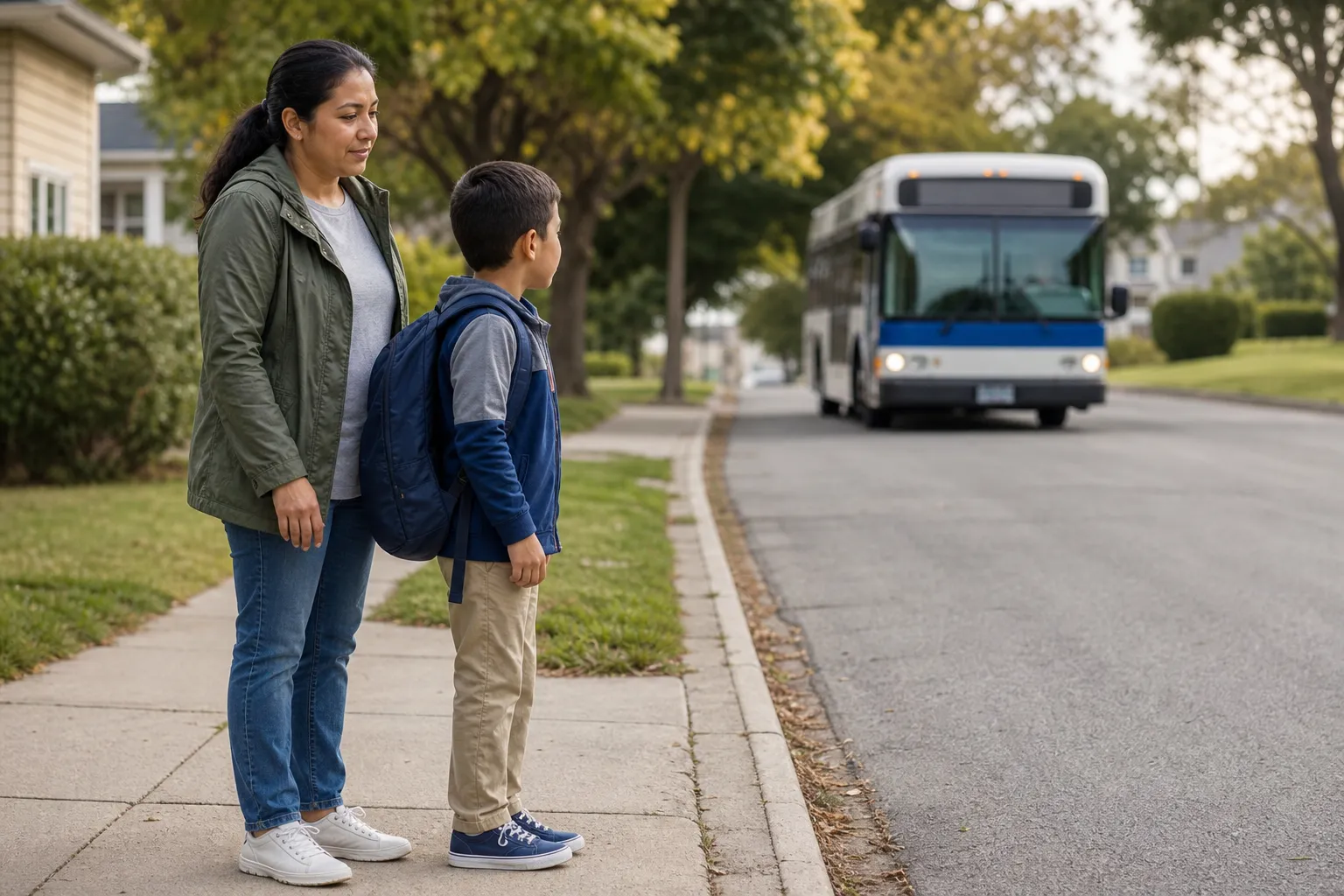
A loud noise can change an ordinary moment before anyone has time to explain it. A hand dryer starts in a public restroom, a blender switches on in the kitchen, chairs scrape at school, or cheering rises unexpectedly at a game. For some autistic children and adults, the hard part may be the sound itself; for others, it may be the suddenness, uncertainty, loss of control, or the effort of staying in a busy environment afterward. These experiences vary widely from person to person and can vary on different days.
An autism loud noises social story can be a calm way for a family, carer, or educator to talk through a specific situation before it happens. It is not meant to make someone like noises, deny a real sensory experience, or require them to tolerate distress. Instead, a personalised social story can put familiar words around what may happen, acknowledge that reactions differ, and describe honest choices the person may have. Used this way, it can support preparation together while respecting the person’s communication, preferences, and autonomy.
Loud noise is not one single experience
“Loud” is only one part of a sound experience. A noise may be difficult because it is abrupt, high-pitched, repetitive, close by, echoing, impossible to predict, or mixed with many other sounds. The bell at the end of a lesson, a vacuum in the next room, a crowded birthday song, a siren outside, or construction near home can each feel very different. A sound that is manageable when someone is rested may feel much bigger when they are tired, hungry, rushed, already focused hard on a task, or surrounded by activity.
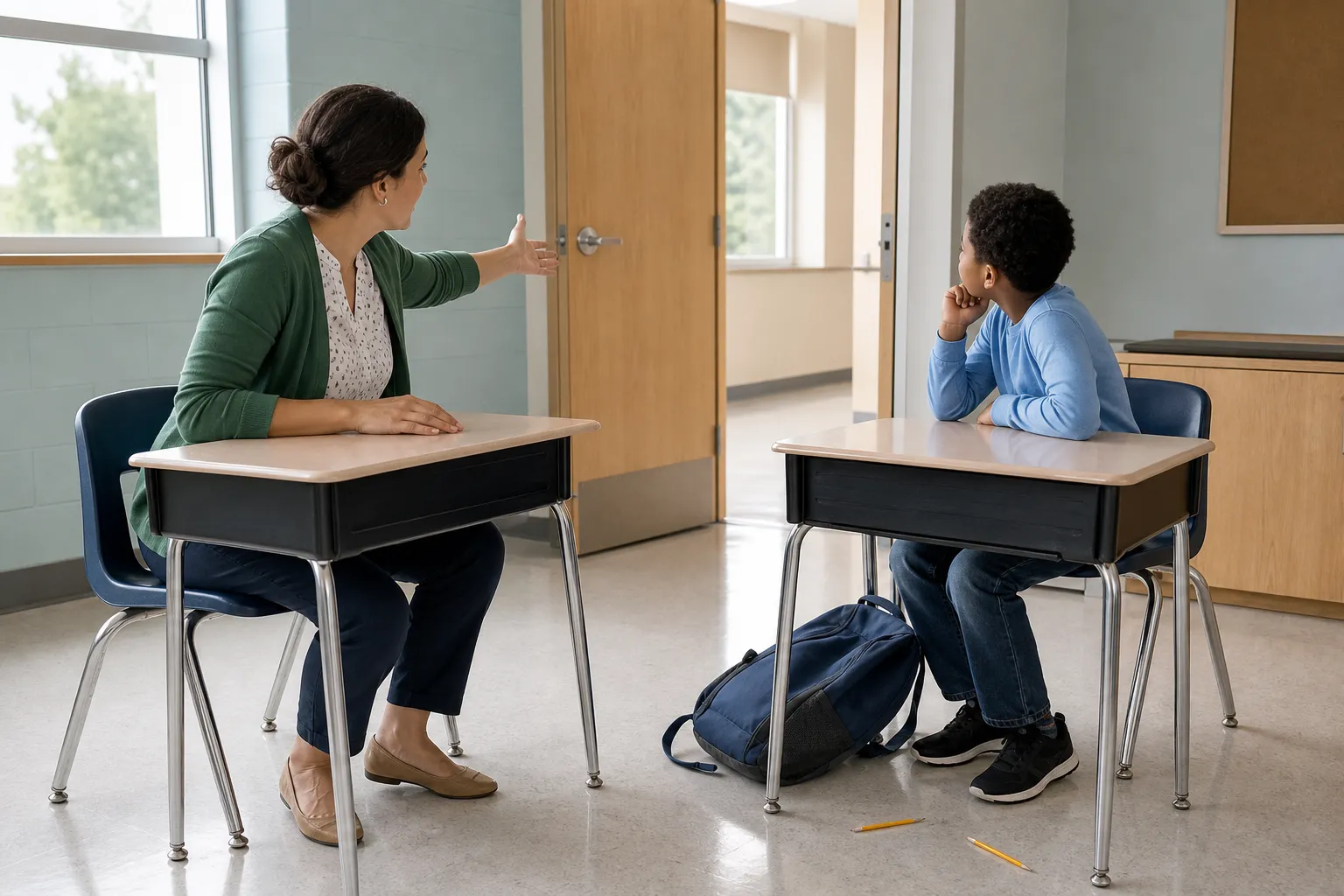
For some people, sensory experiences involving sound can bring physical discomfort, a strong startle response, trouble thinking or speaking, an urge to leave, or a need for quiet afterward. Others may notice sound intensely without being upset by it. Some people may not react outwardly even when they are working hard to cope. It is useful to avoid assuming that covering ears, becoming still, moving away, laughing, crying, or seeming unconcerned always means the same thing. The person’s own words, gestures, communication system, patterns, and consent are important sources of information.
Autism is a broad neurodevelopmental difference, not a single sensory profile. The Centers for Disease Control and Prevention notes that autistic people can have different ways of interacting, communicating, learning, and behaving, and sensory responses may be part of an individual’s experience. A support plan should therefore begin with curiosity: Which sounds matter? What makes them harder or easier? What does the person want others to understand? This individualized approach is more useful than treating loud noise as an automatic feature of autism.
Why changes and uncertainty can make noise harder
In the category of changes and new experiences, a sound may be difficult partly because it interrupts what was expected. A familiar outing can change when a fire alarm is tested. A usually quiet classroom can become noisy during an assembly rehearsal. A family meal can shift when a coffee grinder or blender starts. Even a sound that has happened before may feel new when it occurs in a different place, at a different volume, or without warning.
Uncertainty can create extra mental work. Someone may be wondering when the sound will begin, how long it will last, whether it will happen again, whether they may move away, and how other people will respond. If an adult says, “It will not be loud,” and it is loud for that person, trust can be damaged. Concrete, qualified language is often more respectful: a sound may be loud, it may be sudden, and adults may not always know exactly when it will happen.
Temperament can also shape how a child approaches novelty, intensity, transitions, and recovery. The American Academy of Pediatrics describes temperament as an individual pattern rather than a problem to fix. This is a helpful reminder not to frame caution, sensitivity, or a wish for advance information as misbehavior. Preparation can be offered without pressuring a child to respond in a particular way.
Where anxiety and emotional regulation may fit
A person can find a noise uncomfortable without feeling anxious, and anxiety can occur for many reasons beyond sound. Still, past difficult noise experiences may lead some people to worry before a known event, scan for signs that a noise is coming, ask repeated questions, avoid a place, or become distressed when plans change. These are possible experiences, not proof of anxiety or a diagnosis. The CDC’s information on anxiety and depression in children emphasizes that concerns deserve attention when feelings or behaviors persist or interfere with daily life; families can seek individualized guidance from an appropriate qualified professional when needed.
Emotional regulation is not about being quiet, compliant, or appearing unaffected. It can mean noticing rising stress, communicating a need, having time to recover, or using a response that helps the person feel safer. During a loud event, language may be harder to access. Afterward, a person may need reduced demands, connection, movement, solitude, or simply time; what helps is individual. A reaction can also be delayed, especially when someone has been trying to stay engaged in a demanding setting.
Adults can support regulation by treating communication as meaningful rather than as a disruption. A request to leave, a gesture, a change in voice, tears, silence, pacing, or refusal may communicate that the situation has become too much. It can help to discuss later, at a settled time, what the person noticed and what they would like others to do next time. The goal is shared understanding, not judging whether a reaction was “big” or “small.”
What a personalised social story can do
A noise social story is a short, individualized explanation of one real situation. For a child who is preparing for a school drill, it might describe the setting, the likely sound, what adults know and do not know, and the child’s possible choices. For an adult preparing for a busy family event, it might focus on arrival, expected moments of noise, ways to communicate, and leaving or taking a break if that is possible. A loud noises social story autism resource is most useful when it reflects the actual person and environment rather than relying on generic promises.
The story can name reality plainly. It may distinguish between facts (“the hand dryer can make a sudden, strong sound”) and possibilities (“I may feel surprised, uncomfortable, or okay”). It can identify trusted people by the names or roles the person uses. It can also explain that people have different responses to sound and that the person does not need to copy another person’s reaction. Honest detail may reduce uncertainty more effectively than reassurance that everything will be fine.
Keep the focus narrow. One story about the school fire alarm, one about a dental waiting room, or one about a sporting event is usually clearer than a broad story about every loud noise. Involve the person as much as they wish and can: they may choose wording, say what feels inaccurate, identify noises that are especially difficult, or decide they do not want to discuss a particular event yet. A parent, carer, and educator can compare observations, while prioritizing the person’s perspective over assumptions about it.
Writing with truthful choices and shared preparation
A personalised social story should not promise that a noise will be brief, painless, avoidable, or easy unless that is reliably true. It should not say that the person “must” stay, stop reacting, or be brave. Instead, describe choices only when they genuinely exist. Possible options might include telling a familiar adult that the sound feels too much, moving to a pre-agreed quieter place if one is available, waiting outside an area with an adult, taking part from farther away, or leaving an event. Whether any option is feasible depends on the setting, supervision, safety requirements, and the person’s wishes.
Use language that preserves agency. Two brief example sentences, not a complete social story, are: “The alarm may sound suddenly, and I can tell Ms. Lee that I want to move away if that is possible.” “Some noises feel very strong to me, and I can choose a break when a break is available.” These examples work because they neither promise an outcome nor make the child responsible for managing an environment alone.
Before using a story, adults can check practical details together. Who knows the situation is coming? What information is reliable? Are there times or locations that tend to be noisier? What choices can staff honestly offer? How will the person communicate if speech is difficult in the moment? What should happen if they say no, want to leave, or cannot continue? These questions do not prescribe one accommodation; they help prevent a story from offering options that will not actually be honored.
Using the story as a living conversation, not a test
Read or discuss the story at a low-pressure time, not only immediately before the loud event. Some people may prefer to hear it once; others may want to revisit it, edit it, or talk through one detail at a time. The story can be paired with a simple conversation about what is known, what is uncertain, and what the person wants adults to remember. If the person does not want to engage with it, that response is information too.
After the event, review without turning it into a performance review. Rather than asking whether the person “did well,” try to learn what was accurate and what was not. Perhaps the sound was longer than expected, another room was louder, a choice was not available, or a previously unnoticed part of the experience was difficult. Perhaps the person discovered that a particular adult’s explanation helped. Update the wording to reflect what happened.
For families and educators, success is not measured by whether distress disappears. A more meaningful aim is that the person has clearer information, greater say in how they are supported, and adults who respond respectfully when loud noise is difficult. If noise-related distress, anxiety, or difficulty with everyday participation is creating ongoing concern, a family may choose to discuss it with a qualified professional who knows the person. That is a route to individualized support, not a conclusion that there is one correct response to sound.
Frequently asked questions
Can a social story make an autistic person less sensitive to loud noises?
A social story does not change a person’s sensory profile, and it should not be presented as a way to make someone endure painful or overwhelming sound. It may help with predictability, shared language, and knowing what choices are available. The sound may still be difficult, and the person’s response may differ from one occasion to another.
What should a loud noises social story include?
Include one specific setting, the noise that may occur, what is known and uncertain, the person’s possible feelings or body responses, and only realistic choices. Name the adults or other people involved when useful. Use the person’s preferred communication and wording, and avoid promises such as “it will not be scary” or demands to remain calm.
How can school and home use the same approach?
Adults can agree on a few truthful, person-centered details: which noises are relevant, what communication may look like, who the person can approach, and which choices are actually possible in each location. The wording does not need to be identical. What matters is that adults do not contradict one another or offer support that cannot be provided.
Keep exploring
Related social stories
These guides cover situations with similar routines, sensory details or preparation needs.


Learn more about writing a social story
Read what a social story is, follow the step-by-step writing guide, or browse more social story examples.
Sources
- Autism spectrum disorder — Centers for Disease Control and Prevention
- Anxiety and depression in children — Centers for Disease Control and Prevention
- Understanding your child's temperament — American Academy of Pediatrics
