
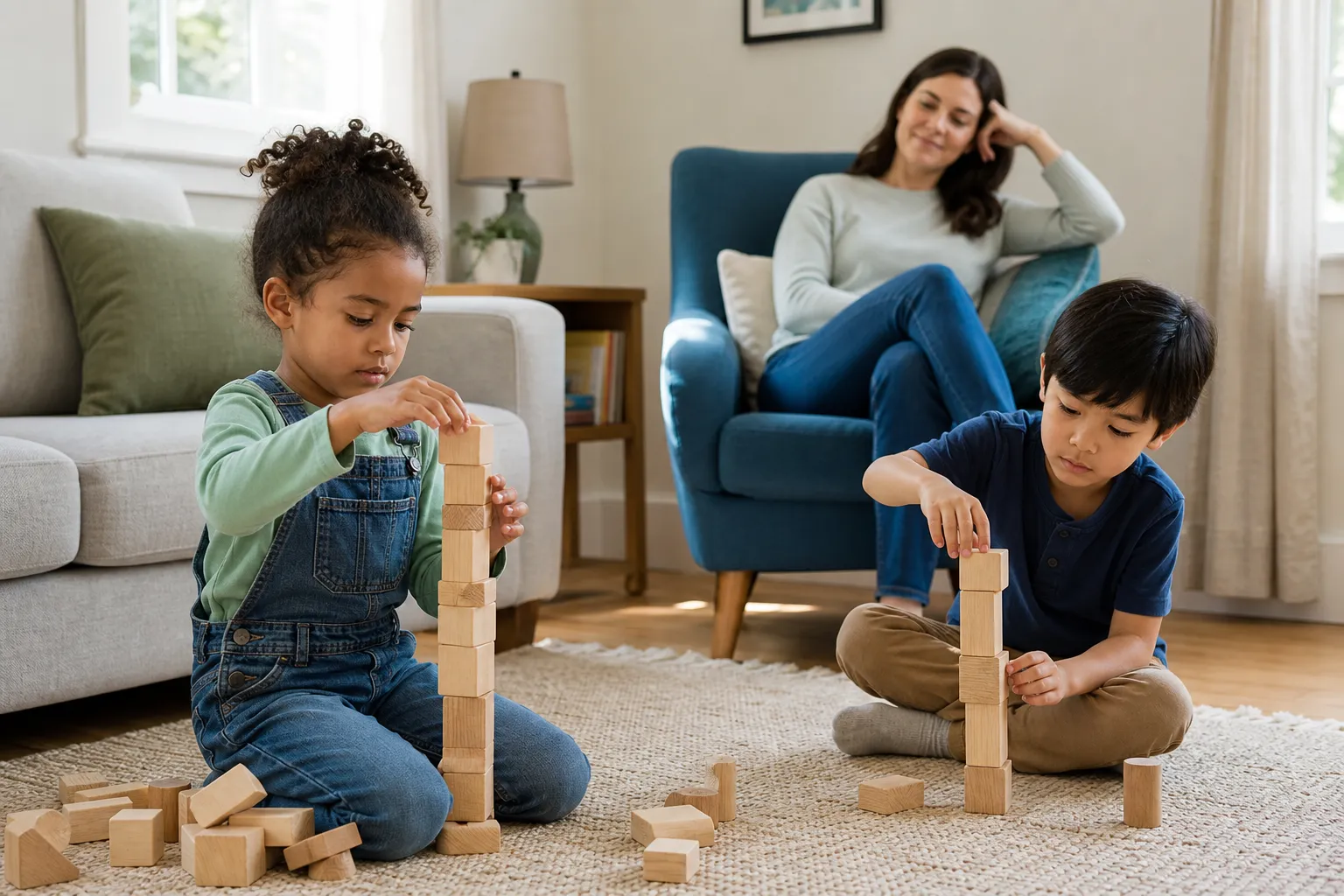
A playdate can look simple from outside—two children, a few toys, and an hour at home or a park—but it asks many small questions at once. Who will be there? Can I use that toy? What happens when someone wants a turn? When does the visit end? For some autistic children, children with ADHD, or children with communication differences, the uncertainty around those questions may take more energy than the play itself. A personalised social story can make the event more knowable without implying that a child must play in one particular way. It can describe the specific visit, name realistic choices, and help the child and caring adults talk through what may happen. This guide focuses on using a social story for a playdate as a shared preparation resource, not as a promise that every moment will go smoothly.
Why a playdate can carry more social information than adults expect
A playdate is often an informal activity, which is part of its appeal. It may also mean that expectations are less clearly stated than they are at school, in a club, or during a planned lesson. Children may need to notice when another person is interested in a toy, decide whether to join an activity, respond to a change of plan, manage noise and movement, and work out how to leave or take a break. None of these situations has one universally “right” response.
For an autistic child, a new home, unfamiliar family routines, unpredictable play ideas, sensory differences, or the effort of interpreting social cues may make a visit feel demanding. Some autistic children enjoy detailed preparation; others may prefer only the key facts. Autism is a spectrum, so a child’s communication style, sensory preferences, interests, and comfort with shared play can differ widely from another autistic child’s.
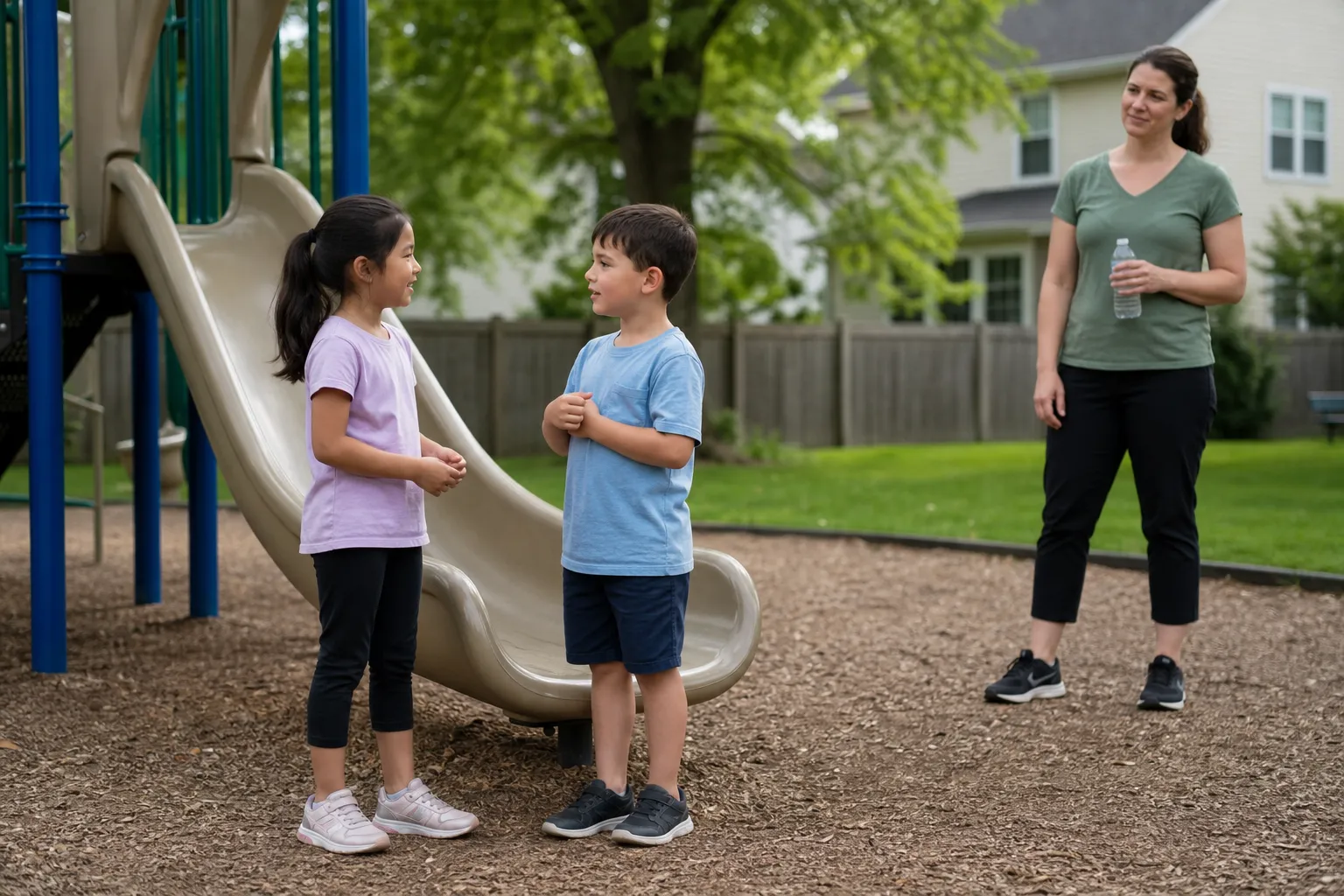
Children with ADHD may sometimes find waiting, shifting from a preferred activity, remembering a sequence of plans, or pausing before acting especially difficult. This does not mean they are uninterested in friendship or unable to participate. It may mean the pace and structure of a particular playdate matter. Communication differences can also affect how a child expresses a choice, understands indirect language, follows a fast-moving conversation, or repairs a misunderstanding. These are possible experiences, not assumptions about any child.
What a personalised social story for a playdate can do
A social story for playdate preparation is a short, factual account of one upcoming situation, written around a particular child and setting. Its purpose is to share information and possibilities in a clear, respectful way. Rather than trying to teach a child to appear typical, it can reduce guesswork: where the visit is happening, who is expected, which activities might be available, what adults may be doing, and how the ending may work.
The most useful version is usually specific enough to be true. “On Saturday, I am visiting Maya’s apartment after lunch” is more informative than a general statement about all playdates. If details are not known, it is more honest to say that plans may change. A story can also distinguish between facts and choices. Facts might include that an adult will be nearby or that another child has a pet. Choices might include playing alongside the other child, asking to use a toy, sitting with an adult for a while, or choosing not to join an activity.
A personalised social story cannot control other children’s behavior, remove every surprise, or guarantee enjoyment. It may, however, give the child language for a concern and give adults a shared way to notice what information is missing. It can be read, discussed, changed, or set aside depending on the child’s interest. A child who does not want to review it may still benefit from adults using its planning questions.
Choose details that are useful, not performative
Before writing, adults can gather only the details that are likely to matter to this child. Consider the location, arrival plan, names of the people expected to be present, approximate length, food plans if relevant, pets, indoor or outdoor activities, and how the visit may end. It can be helpful to check which facts are confirmed and which are only possibilities. Saying that there may be several activity choices is different from claiming that a particular game will happen.
The story may also describe the child’s own preferences without treating them as problems. A child may prefer parallel play, a familiar activity, movement, quieter time, detailed conversation about an interest, or spending some time near an adult. Another child may be eager to lead a game. Both preferences can be included as possibilities. The aim is not to require reciprocal play, eye contact, speaking, sharing every item, or participation for the whole visit.
Think about language level and communication style. Some children may want direct, concrete wording; some may prefer a few key points; some may communicate choices through speech, gesture, writing, signing, or other established methods. Avoid vague instructions such as “be nice” or “use good manners” unless the story explains what might happen in this specific setting. A phrase like “share nicely” can conceal many unclear expectations, including whether an item belongs to someone, whether turns are expected, and whether there are enough materials for both children.
Include realistic moments: joining, boundaries, breaks, and changes
The middle of a playdate is often where uncertainty grows. A social story can name ordinary moments without predicting a perfect outcome: two children may choose different activities, one child may want a toy another child is using, a game may become louder than expected, or an adult may suggest moving to something else. It can explain that people sometimes misunderstand each other and that adults may help clarify what happened. This frames support as a normal part of being together, rather than as a consequence for doing something wrong.
Boundaries deserve straightforward language. A child can be told that they may not want a hug, tickling, rough play, photos, or an activity that feels uncomfortable. The story can also acknowledge that another child may have boundaries and may not want to share every possession or continue a game. Concrete options could include moving away, using a familiar way to communicate “no” or “not now,” asking an adult for help, or choosing a different activity. Which options belong in the story depends on what is genuinely available in that household and what the child already understands.
Brief example sentences, not a complete social story, might be: “I can play near Jordan even when we choose different toys.” “If I need help, I can go to Dad or Jordan’s aunt.” These examples work because they describe a possible choice and a real source of support, rather than demanding a social performance. A family would need to replace the names, activities, and adult roles with accurate details for their own visit.
Plan with both families while leaving room for the child’s voice
A calm conversation between adults can make the social story more accurate and can prevent assumptions. One family might share that a dog will be in the home, lunch will be served, or the children will likely be in the backyard. The other may share only information they are comfortable sharing about what helps their child feel prepared. The purpose is not to disclose a diagnosis or seek permission for a child’s differences. It is to make the upcoming gathering more understandable and workable for everyone.
It may be useful to discuss the scope of the first visit as a possibility rather than a test. Some families may choose a shorter visit, a familiar location, an activity with a clear beginning and end, or a meeting where adults remain close by. Others may find that a longer, child-led visit is a better fit. A child’s previous experiences, energy that day, relationship with the other child, and the setting can all shape that decision. A playdate can also end early, be postponed, or look different from the original plan without being a failure.
Include the child in whatever way fits their communication style. They might identify what they want to know, choose between available activities, say who they would like nearby, or indicate that they do not want a visit that day. Afterward, adults can review what was accurate, what was surprising, and what the child might want changed next time. This feedback turns the social story into a living description of the child’s actual experience rather than an adult-written script.
Keep the guidance informed, flexible, and non-diagnostic
A social story is not a diagnostic assessment, behavior plan, or treatment. It does not determine whether a child has autism, ADHD, or a communication disorder, and it should not be used to judge a child’s friendship skills. The Centers for Disease Control and Prevention provides general information about autism spectrum disorder and about ADHD, including the fact that people can have varied strengths and support needs. The American Speech-Language-Hearing Association provides general information about communication disorders. These sources can offer context, but they cannot describe one individual child’s needs.
If a child regularly seems distressed before social events, has difficulty communicating safety concerns, or experiences challenges that affect daily life, families may choose to discuss those observations with an appropriate qualified professional who knows the child. That is separate from creating a playdate social story. The story itself can remain practical and child-centered: it can accurately describe the plan, make choices visible, and recognize that comfort and participation may change from one day to the next.
The clearest measure of usefulness is not whether the child follows every line. It is whether the information feels respectful, accurate, and available when it is wanted. A good playdate social story makes room for enthusiasm, uncertainty, quiet play, active play, connection, misunderstandings, pauses, and a change of mind. It supports preparation together while protecting the child’s autonomy.
Frequently asked questions
What should an autism playdate social story include?
Include confirmed details that may matter to the individual child: where the visit will be, who may be there, the approximate timing, likely activities, adults who may be nearby, relevant features such as pets or food, and how the visit may end. It can also name realistic choices, such as playing separately for a while, asking about a toy, taking time with an adult, or leaving an activity. Keep unknown details clearly uncertain rather than presenting guesses as facts.
Can a playdate social story help a child with ADHD or communication differences?
It may help when uncertainty, transitions, fast-changing play, indirect language, or expressing preferences are part of the challenge. For a child with ADHD, a story may make the sequence and possible changes easier to discuss. For a child with communication differences, it may identify people, activities, and ways the child already communicates choices or asks for clarification. It should be personalised; not every child with ADHD, autism, or communication differences will want or need the same information.
Should the story tell a child exactly how to behave at a playdate?
Usually, a rigid script can be misleading because other people’s choices and the flow of play cannot be predicted. A more respectful approach is to describe the situation, name boundaries, and offer truthful possibilities. It can acknowledge that the child may want to join in, play nearby, ask for help, decline an activity, or leave early. The goal is informed choice and shared understanding, not compliance or masking.
Keep exploring
Related social stories
These guides cover situations with similar routines, sensory details or preparation needs.
Learn more about writing a social story
Read what a social story is, follow the step-by-step writing guide, or browse more social story examples.
Sources
- Autism spectrum disorder — Centers for Disease Control and Prevention
- About ADHD — Centers for Disease Control and Prevention
- Communication disorders — American Speech-Language-Hearing Association
