
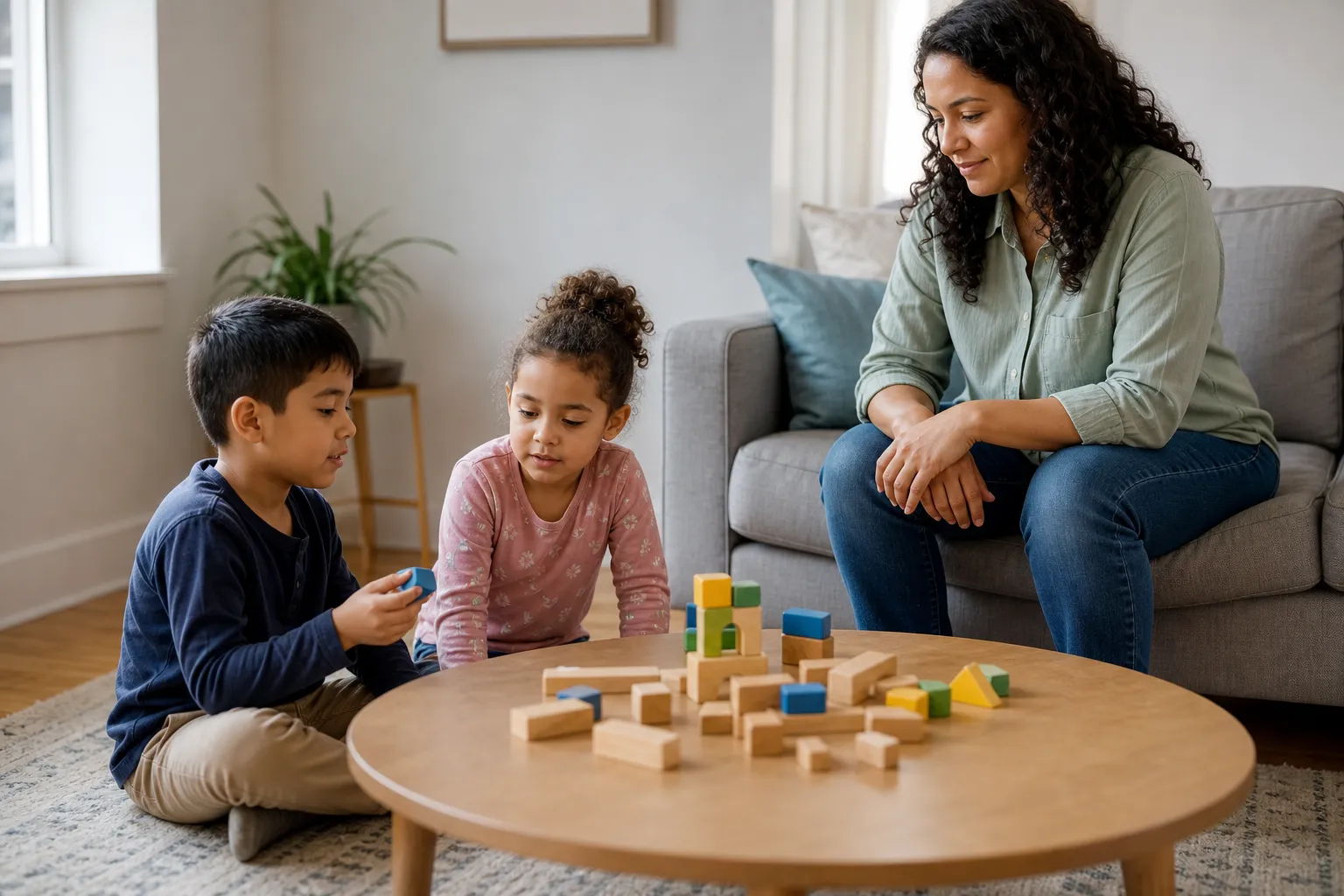
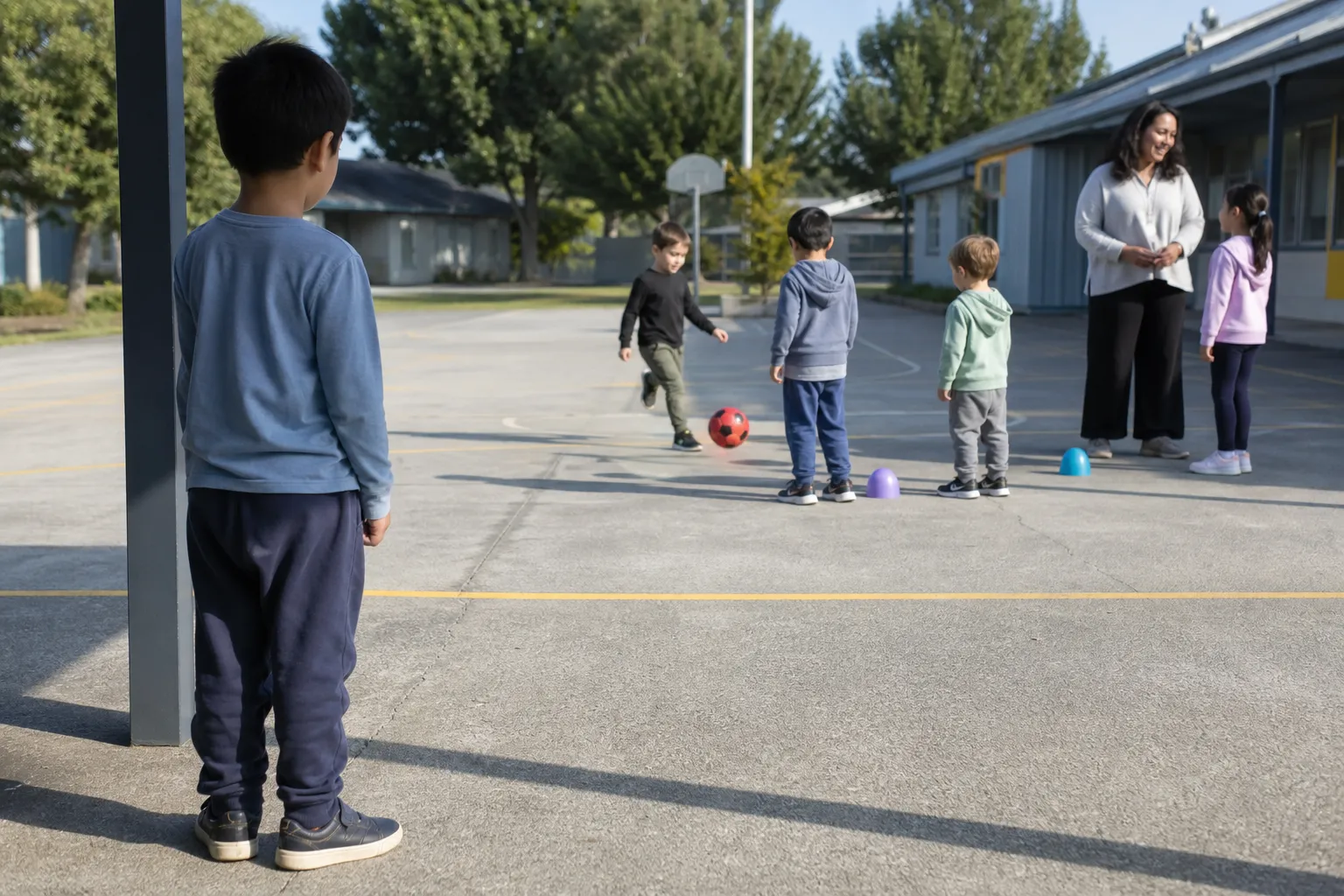
Sharing is often treated as a quick test of kindness: one child has an item, another child wants it, and adults expect an immediate handover. Real situations are usually more complicated. A treasured item, a game that has just become interesting, an unclear wait, a fear that something could be damaged, or a fast-moving group can all change what sharing feels like. A personalised sharing social story can help a child and the adults around them make those hidden parts more predictable. It can describe choices, boundaries, waiting, and ways to repair a difficult moment without presenting the child as selfish or wrong.
Sharing and turn taking are different skills
Sharing and turn taking overlap, but they are not identical. Sharing can mean offering someone access to an item, space, activity, idea, or attention. Turn taking usually means participating in a sequence: one person acts, then another person has an opportunity to act. A child may be comfortable with one and not the other. For example, they may happily give away extra crayons but strongly prefer to keep control of a favorite toy, or they may wait for a turn in a familiar game while finding an open-ended group activity confusing.
It is also reasonable for people to have possessions they do not want to share. Ownership, care for belongings, privacy, and consent matter. A useful goal is not that a child shares every item on demand. It is that they can gradually understand what is happening in a particular situation, communicate a preference where possible, and take part in fair arrangements that adults have explained honestly.
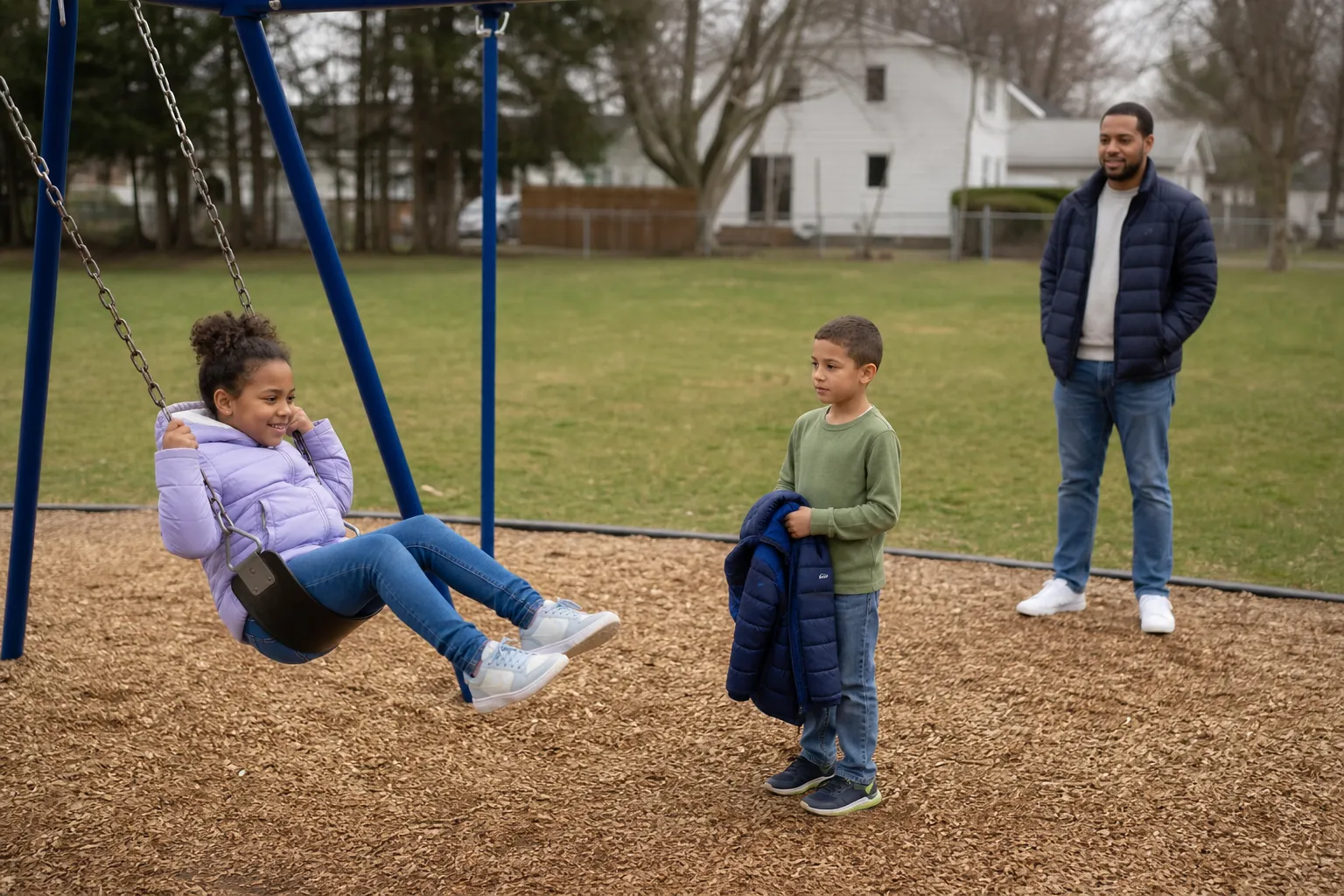
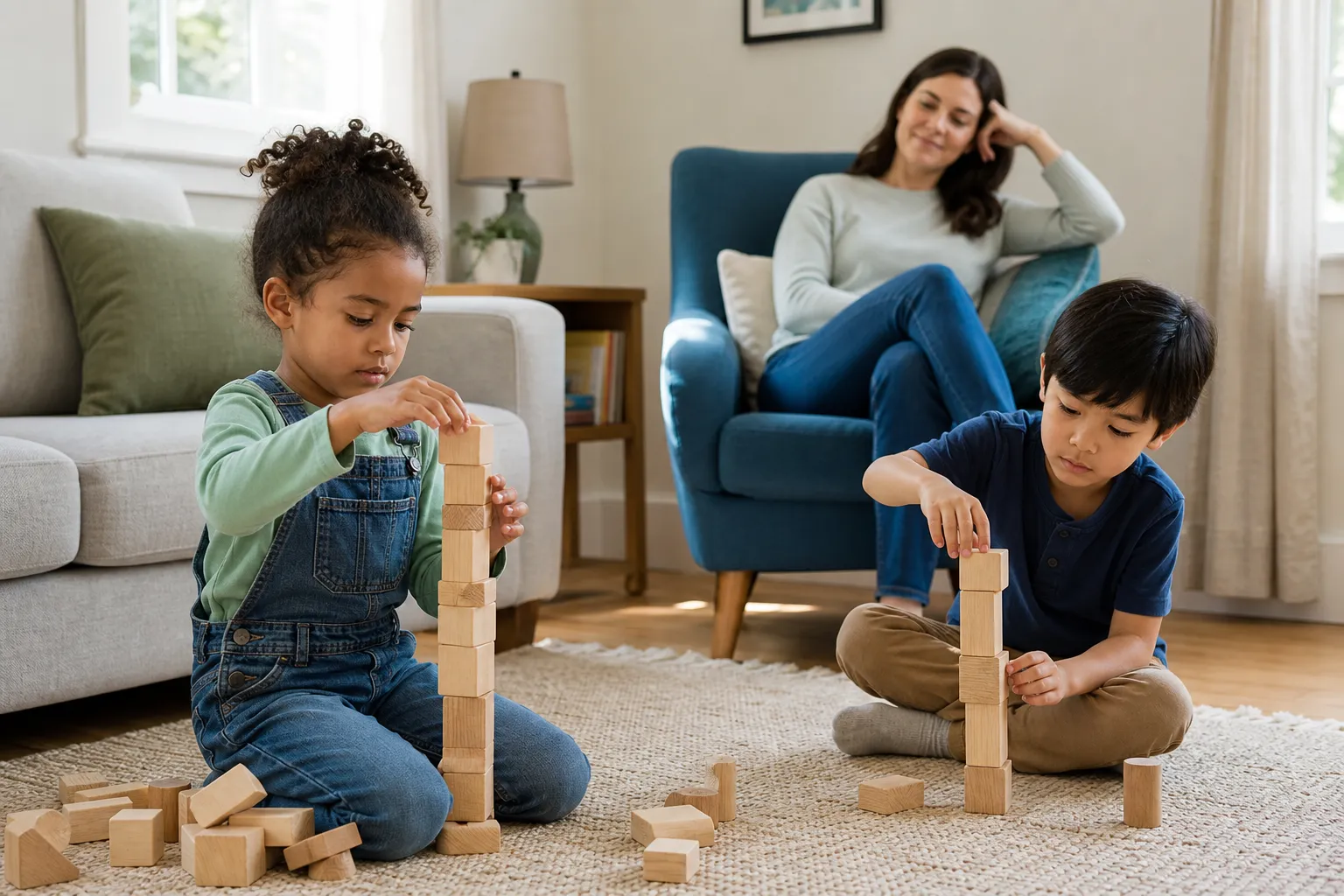
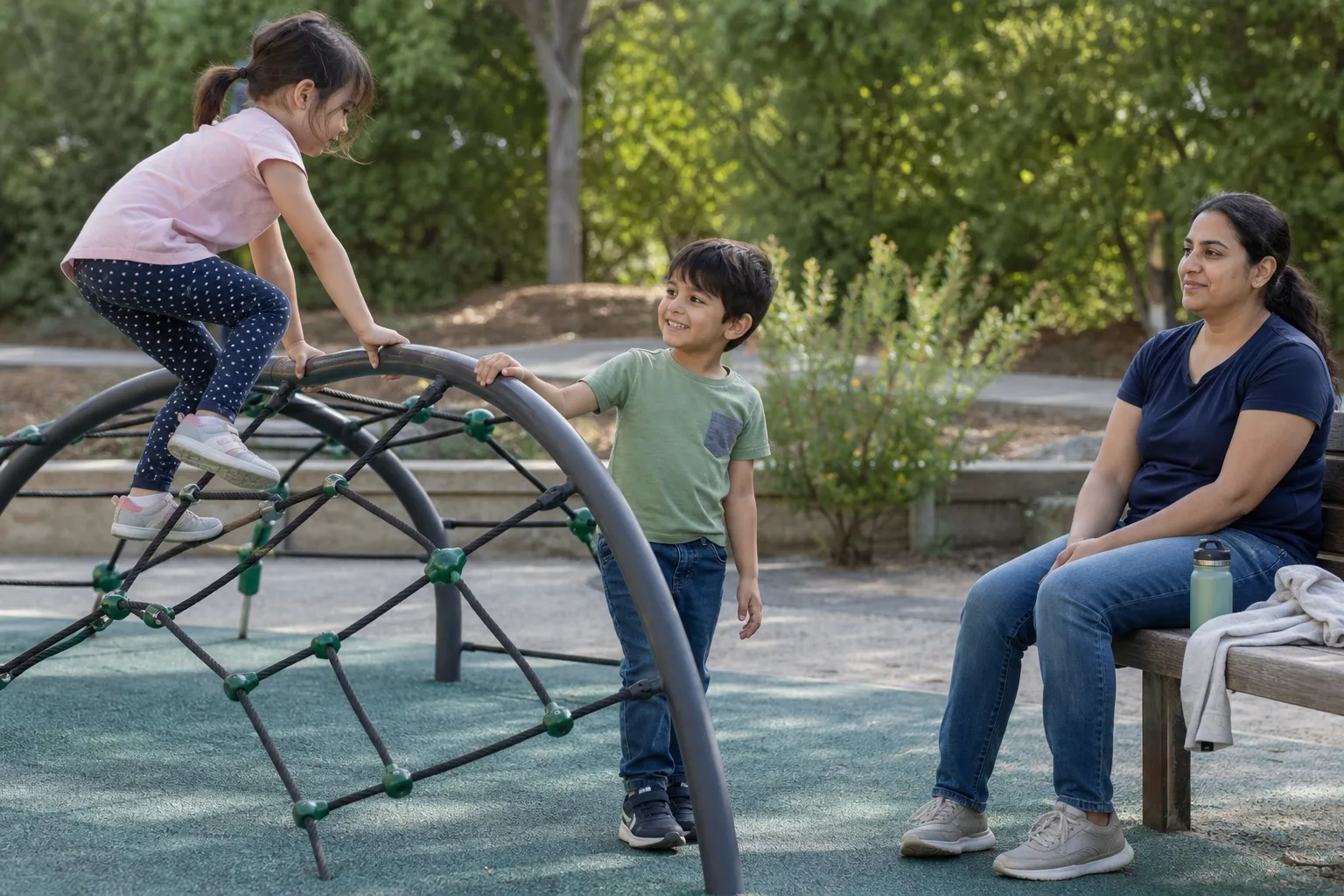
A sharing and turn taking social story can name the context very specifically. “My building blocks at home,” “the paints in the classroom,” “one swing at the park,” and “choosing a game with cousins” may each involve different expectations. Broad statements such as “I always share” can be inaccurate and may create pressure. More precise information can acknowledge that some items are communal, some belong to another person, and some are special or unavailable to share.
Why these moments can be difficult for some autistic children
Autism is a neurodevelopmental difference with wide individual variation. Some autistic children may find sharing or turn taking difficult when expectations are implied rather than stated. They may need more time to shift from their own plan to someone else’s plan, to understand why a turn order has changed, or to work out when a peer is finished. A child may also experience a preferred activity or object as especially absorbing, comforting, or important. None of this automatically means they do not care about other people.
Sensory and social details can add to the load. A crowded play area, overlapping voices, unpredictable movement, or concern about an object being handled roughly may make a request feel more urgent. Some children may communicate discomfort by holding on tightly, walking away, becoming quiet, or reacting intensely. These responses can be signs that the situation has become hard to process, not proof of deliberate refusal.
A personalised social story can prepare for recognizable situations without assuming that an autistic child must behave like their peers. It might explain who may use a shared resource, what “my turn” and “your turn” mean in that activity, what may happen if another child asks unexpectedly, and which adults can help clarify the situation. The child’s own views are important: perhaps they are willing to share some items, prefer a short turn in a particular game, or want an adult to help protect a valued possession.
ADHD, waiting, and the pace of group activities
Children with ADHD can have varied experiences with attention, activity level, impulses, and organization. In a turn-taking situation, a child may act before they have fully noticed that someone else is waiting, lose track of whose turn it is, or find the delay between turns disproportionately frustrating. They may also move on to a new activity before a peer has had the chance they expected. These are possible experiences, not traits of every child with ADHD.
Waiting can be especially unclear when an activity has no obvious endpoint. “Soon” may not provide enough information to be meaningful, and a child may interpret an adult’s statement differently from what was intended. A child who interrupts or grabs may be responding to excitement, urgency, worry that they will forget their idea, or difficulty holding several pieces of social information in mind at once. A calm description of the pattern can be more useful than a character judgment such as “bossy” or “greedy.”
For a child with ADHD, a sharing social story can focus on one repeatable moment rather than trying to cover every social rule. It can state what the adult may do, such as naming the current turn or helping decide what happens next. It can also include realistic outcomes: sometimes there is time to wait, sometimes an activity ends before everyone gets another turn, and sometimes people can choose a different activity. Honest preparation matters more than promising an outcome adults cannot guarantee.
Communication differences can affect requests, refusals, and repair
Children with communication differences may understand, use, or respond to spoken language in ways that make sharing situations more complex. A request such as “Can I have that?” can mean different things in everyday conversation: it may be a polite question, an expectation, or a request to use an item immediately. A child may not know which meaning the speaker intends. They may also need additional time to understand a question and form a response.
Expressing a boundary can be difficult too. A child may know they do not want to share but not yet have reliable words, speech, signs, gestures, or another familiar communication method available in the moment. Conversely, a child may use direct language that others misread as rude even though it clearly communicates a need. Adults can avoid assuming intent and can make room for the child’s established ways of communicating.
A social story can describe that people may ask, answer, negotiate, or seek help in different ways. It can include language that sounds natural for the individual child, but it does not need to demand a particular phrase. One brief example sentence might be: “I can say, ‘I am still using it,’ when that matches what I mean.” Another brief example sentence might be: “I can ask an adult to help us decide.” These are examples, not rules, and they should only be included if they fit the child’s communication style and setting.
What to include in a personalised sharing social story
Start with a narrow, real situation. Families and educators might notice where uncertainty happens most often: a sibling asking for a toy, a small-group game, a classroom resource, or taking turns with playground equipment. Describe observable details rather than assumptions about motivation. Who is usually there? Which item or activity is involved? Is it owned by someone, shared by a group, or supplied for a setting? What does a request or turn change look like?
Then include the information the child may need before the moment becomes tense. This can cover the usual sequence, while leaving room for variation. For instance, the story may distinguish between items that are for everyone and personal items a child may choose not to offer. It may state that another person can be disappointed and that disappointment does not automatically mean the child has done something bad. It may also say that adults sometimes make decisions about shared materials or safety, even when the child would prefer a different outcome.
Include genuine choices only where choices exist. Possible choices might include selecting an item they are comfortable sharing, finishing a defined part of an activity before another person joins, suggesting a different item, choosing another activity, or asking for clarification. If a child cannot keep an item in a particular setting, the story should not imply otherwise. Similarly, if turns are decided by an adult in a certain activity, clear wording is kinder than suggesting the child controls the order. Personalization is about accuracy, not persuasion.
Using the story as preparation, reflection, and collaboration
A social story is most useful when it reflects the child’s actual life and is revisited when circumstances change. A parent, carer, or educator can develop it with the child where that is welcome, listening for what feels unfair, confusing, enjoyable, or important. Some children may want to contribute exact wording; others may prefer to respond through their usual communication methods or simply hear a draft read aloud. The adult’s role is to learn from the child as well as explain the environment.
Read or discuss the story at a low-pressure time, not only immediately after conflict. The purpose is preparation and shared understanding, not a consequence for a difficult interaction. It can also support adults in using more consistent, specific language. If one adult calls an item “shared” and another says it belongs to the child, or if turn rules change without explanation, the child may receive mixed messages.
After a real event, it can be helpful to update the story with care. Notice what was accurate, what surprised the child, and whether the setting’s expectations were reasonable. A difficult moment may point to an unclear rule, too much waiting, a valued item that needed better boundaries, or a communication mismatch. It does not necessarily show that the child needs to be taught to comply more. The aim is greater predictability, participation, autonomy, and respectful relationships over time.
Frequently asked questions
Should a sharing social story teach a child to share every toy?
No. A personalised story can distinguish personal belongings from shared materials and can recognize that a child may not want others to use a special item. It can explain the expectations of a particular place while also supporting boundaries, consent, and clear communication.
What is the difference between a sharing social story and a turn taking social story?
A sharing social story may focus on access to possessions or resources, while a turn taking social story may focus on the order of participation in an activity. Many real situations involve both, so one personalised story can address both if it stays focused on a specific setting and sequence.
Can a social story help with autism sharing and turn taking?
It may help some autistic children and their families prepare for familiar situations by making expectations, choices, and possible changes clearer. It is not a guarantee of a particular response, and it should not assume that discomfort or refusal reflects a lack of empathy. A story works best when it is accurate to the child, their communication style, and the setting.
Keep exploring
Related social stories
These guides cover situations with similar routines, sensory details or preparation needs.

Learn more about writing a social story
Read what a social story is, follow the step-by-step writing guide, or browse more social story examples.
Sources
- Autism spectrum disorder — Centers for Disease Control and Prevention
- About ADHD — Centers for Disease Control and Prevention
- Communication disorders — American Speech-Language-Hearing Association
