
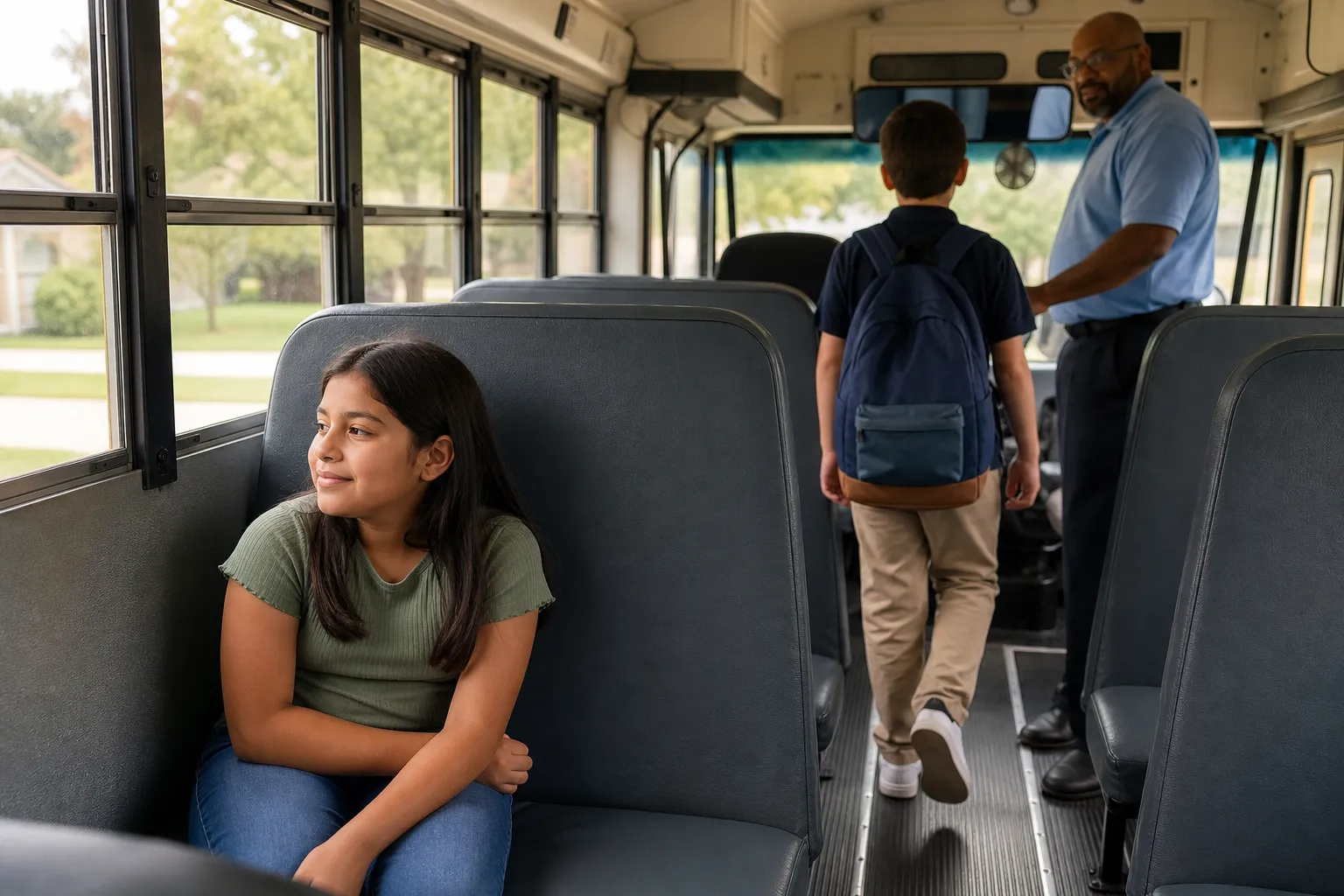
The school bus is not just transportation. It is a moving transition between home and school, with its own timing, people, rules, and moments when plans can change. For some autistic students, that transition may feel manageable, interesting, tiring, uncertain, or different from one day to the next. A personalized social story can help a family or school team make the bus ride more knowable without suggesting that a child must feel a particular way or respond in one “right” way. This guide addresses the common search for an “autism riding the school bus social story” by focusing on how to build an honest, individualized preparation tool rather than relying on a generic script.
Why the school-bus transition can matter
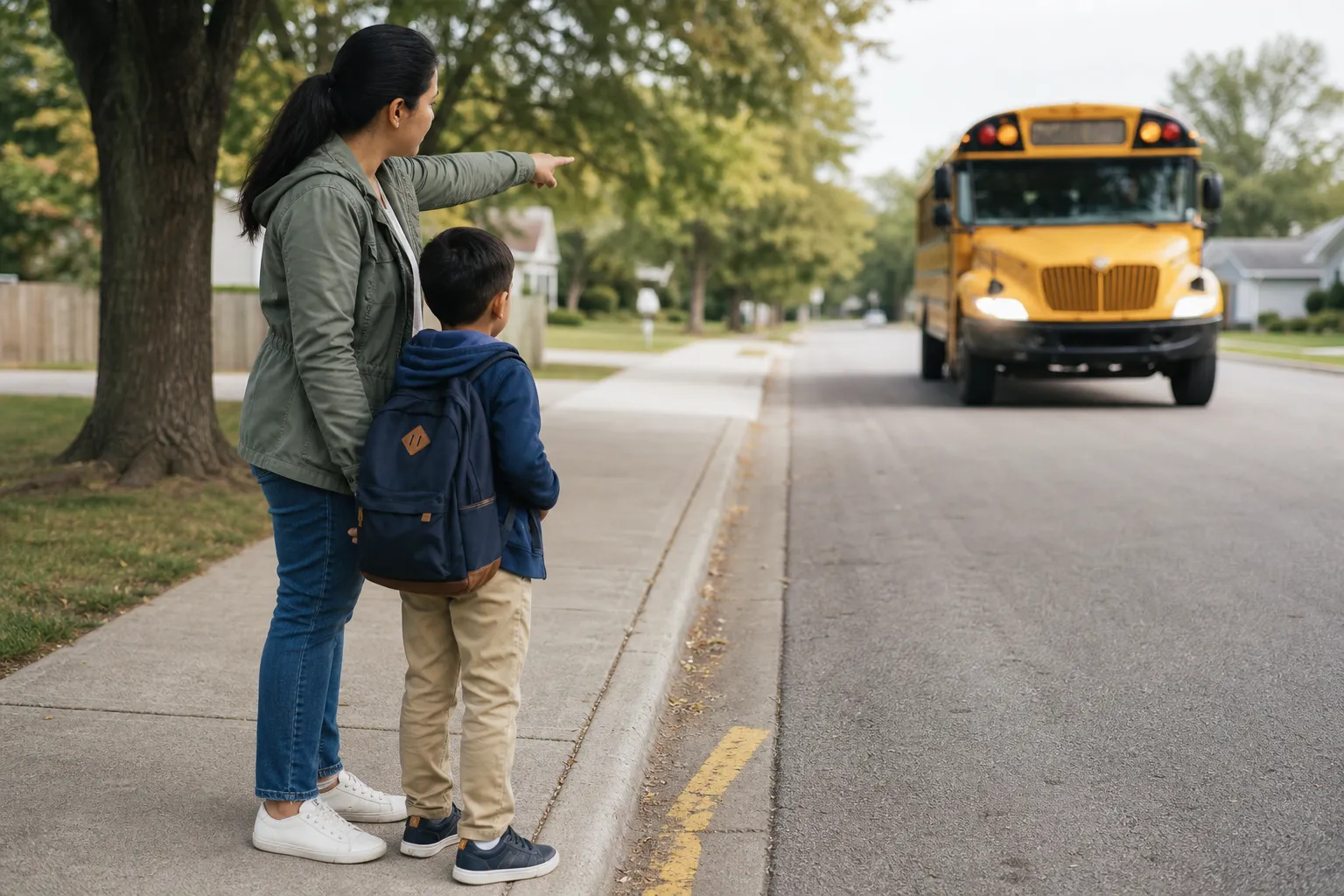
A bus ride can contain several transitions in a short period: getting ready at home, waiting outside, seeing the bus arrive, climbing the steps, finding a seat, riding with other students, getting off, and entering school. The trip home reverses that sequence, often after a full school day. Even when each step seems ordinary to adults, the combined sequence may take energy and attention.
For an autistic child or teen, predictability may be especially important, though experiences vary widely among people with autism spectrum disorder (ASD). Some students may want to know exactly where they will wait, which entrance they will use, where they might sit, who is responsible for the bus, and what happens after arrival. Others may be comfortable with the route but find changes in timing or expectations difficult. A child’s needs, communication style, preferences, and prior experiences all matter more than assumptions about autism.
Anxiety can also shape how a student experiences the ride. A child may worry about missing the bus, not knowing whether a familiar person will be present, arriving late, making a mistake, or handling an unexpected change. These worries are possibilities, not proof of an anxiety condition. The Centers for Disease Control and Prevention (CDC) notes that anxiety in children can involve fears or worries that affect daily life; families who have concerns about persistent distress can use their usual health or school support channels for individualized guidance. This guide does not diagnose anxiety or offer treatment advice.】【“】【A social story can create a shared way to talk about the sequence before the pressure of the actual ride. It can name what is likely to happen, leave room for uncertainty, and include truthful options for what the student may do. Its purpose is not to make a student tolerate every situation silently or perform compliance. A useful story supports understanding, communication, and preparation.
Use a personalized social story, not a one-size-fits-all bus script
A bus social story autism search result may offer a ready-made narrative, but generic wording can accidentally include details that are untrue for a particular route. A story is more useful when it reflects the student’s actual morning or afternoon: the pickup location, the approximate order of events, the school’s arrival routine, and the adults or roles the student is likely to encounter. It should also avoid promises that cannot be kept, such as saying the same driver, seat, traffic conditions, or bus arrival time will always occur.
Families can prepare the story together by gathering simple, accurate information. Possible questions include: Where does the student wait? What is the usual sign that the bus is arriving? Which door is used? Is there an assigned seat, a preferred possible seat, or no fixed seating arrangement? What does the driver need students to do at stops? Where does the student go after getting off at school? What is the usual plan if the bus is later or earlier than expected? Answers can be brief and revised when routines change.
The language should match the student’s comprehension and preferred way of processing information. Some students may prefer direct, concrete sentences. Others may want a little more explanation about why an action happens, such as why the bus waits until riders are seated. A story can use first person if that feels natural to the student, or the student’s name and third person if that is clearer. It can also be read, discussed, or simply used as a reference in whatever way is welcome to the student; there is no single required format or frequency of use.】【“】【Include choices only when they are genuinely available. For example, if the school permits it, the story might say: “Example: I may ask an adult a question if I am unsure where to go.” If seating is assigned, it is more honest to describe the assigned arrangement than to imply the student can choose any seat. Accuracy helps a story build trust.
Describe the route in small, honest stages
A riding the school bus social story often works best when it follows the actual order of the trip. Start before the bus arrives, because the waiting period may be an important part of the experience. Describe what the student usually does after getting ready, where they wait, and what they may notice as the bus approaches. Use approximate language when timing varies: “The bus usually comes after I am ready and waiting,” may be more reliable than a precise minute unless a precise schedule is consistently used.
Next, describe boarding in plain terms. A student may step toward the door when it is safe and when the bus has stopped. They may hold the rail if they choose or if that is part of their usual practice. They may greet the driver, nod, or board quietly; a story does not need to require social interaction that is not necessary. It can explain that the driver’s role is to drive the bus and help follow bus safety procedures, while school staff may help with arrival or departure depending on the setting.
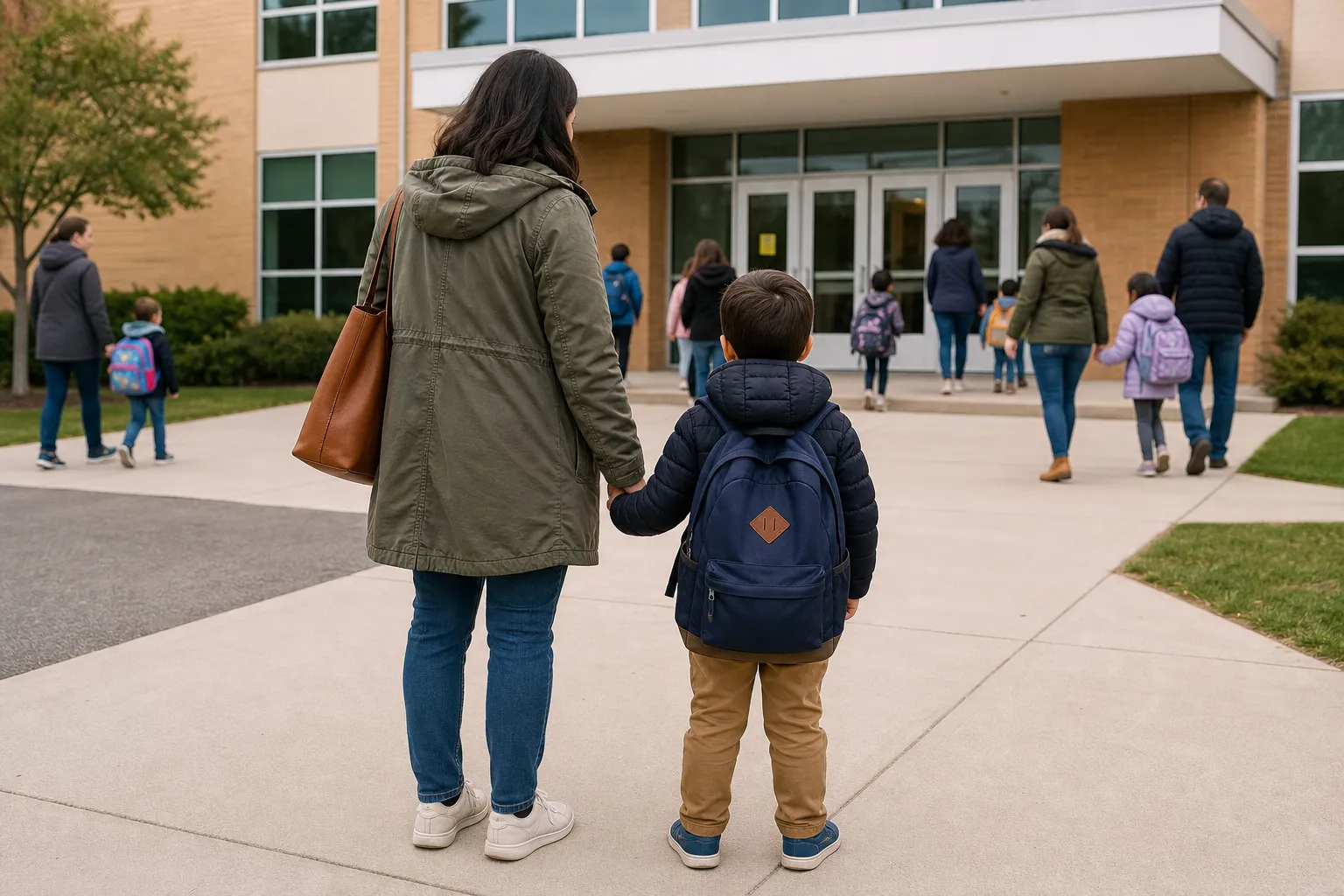
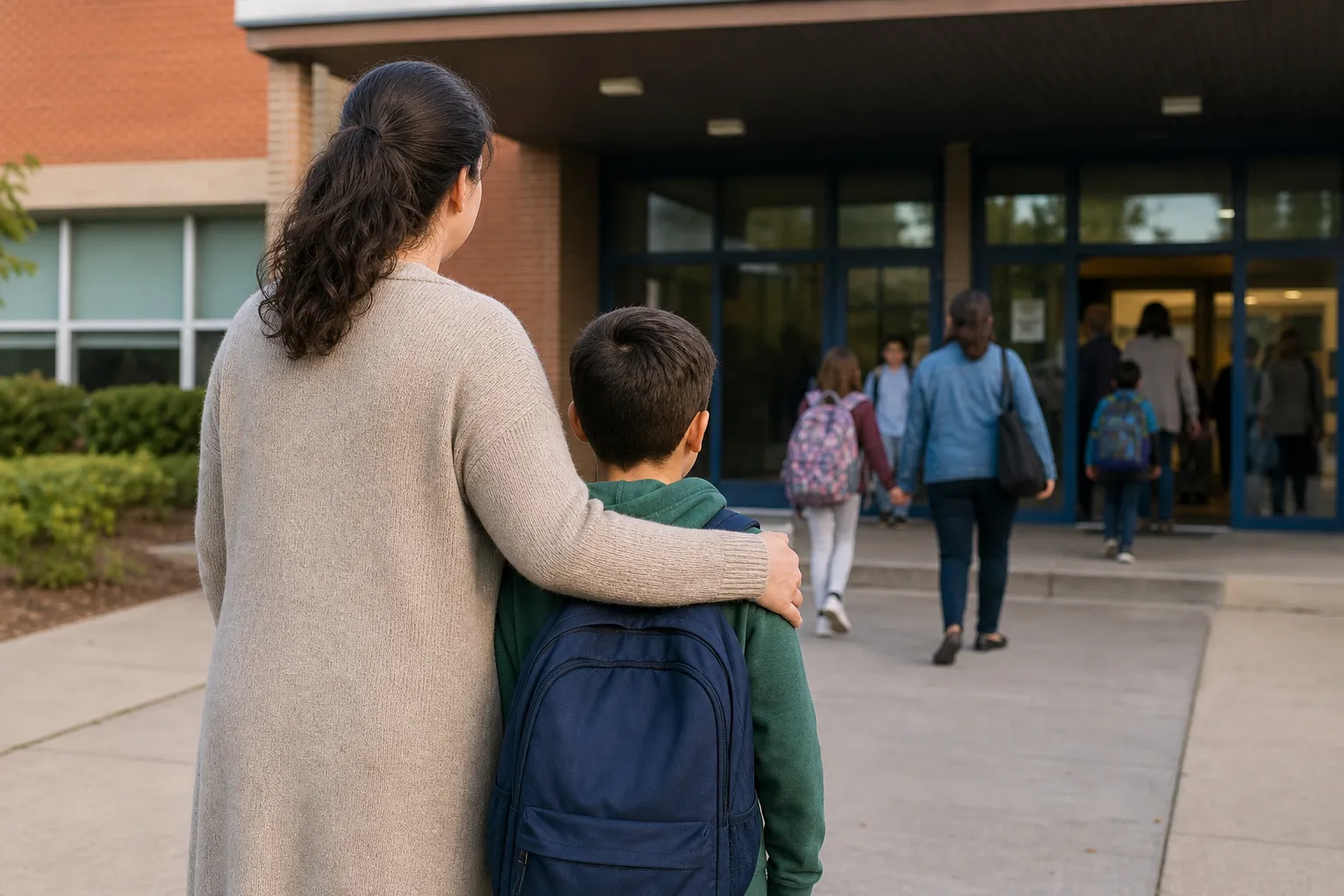
The middle of the ride deserves more than a vague sentence such as “I ride nicely.” “Nicely” can be unclear and can place the burden on the student to guess adult expectations. Instead, name observable, route-specific facts: students generally remain in their places while the bus is moving; the bus may stop for other students; people may talk; the route can take a different amount of time on different days. If a student has a known seating arrangement, state it accurately. If there is a real option to seek help, say who may be available and how the student can communicate in ways that work for them.】【“】【Finally, explain arrival and departure. A child may need to know whether they wait for a direction, follow a class group, go to a particular door, or meet a named adult. The afternoon story may differ from the morning story, especially if dismissal involves waiting in a classroom, a hallway, or a designated area. Separating the two directions can reduce confusion: the ride to school and the ride home do not need to be treated as identical.
Make room for uncertainty, anxiety, and changing routines
Predictability does not mean pretending that nothing will change. Buses can be affected by traffic, weather, staffing, road work, school events, or a late dismissal. For a student who relies on routines and predictability, a change may feel significant even when adults see it as minor. The American Academy of Pediatrics describes family routines as helpful structures for children; within a bus context, a consistent preparation sequence may be meaningful because it clarifies what happens before leaving home and after returning.
A personalized story can distinguish between what is usually true and what might sometimes happen. Phrases such as “usually,” “sometimes,” “an adult may tell me,” and “the plan can change” are often more honest than absolute statements. The story can identify the real people or roles involved in a change, such as a parent, carer, driver, teacher, school office staff member, or another designated adult. It should not invent a solution that the family or school has not actually agreed can happen.
When anxiety is part of the conversation, the story can acknowledge feelings without treating them as misbehavior or making reassurance promises. A student may feel excited, worried, calm, frustrated, or more than one feeling. They may not know how they feel until the moment arrives. A family might include language about noticing uncertainty and communicating that they need information, a pause, or adult help when those choices are available. The goal is to make communication possible, not to insist that worry disappear before the student can participate.】【“】【It can also help to agree on how adults will share a routine change in real life, rather than expecting the story alone to cover every possibility. This is a planning conversation, not a prescribed accommodation. Some families may coordinate with school staff; others may use an existing school communication process. What is practical depends on the student, the route, and school procedures.
Build the story collaboratively and review what actually happens
The most informative source is often the student. A parent, carer, or educator can ask open, non-leading questions: What part of the bus ride do you already know? What do you want to know more about? Is there a part you want included? What would make the wording more accurate? A student may communicate answers through speech, writing, gestures, selections, behavior, or later reflection. Not wanting to discuss the bus at one moment can also be useful information and does not mean the student is refusing to cooperate.
Adults can contribute practical facts without speaking over the student. A caregiver may know the home departure routine. An educator may know the arrival sequence. Transportation staff may clarify a route-specific expectation. Where appropriate and permitted, sharing the same short, factual language among adults can reduce conflicting messages. The story should still belong to the student’s experience rather than becoming a list of adult demands.
After a few rides, revisit the content. Ask which details were accurate, which were missing, and which were not helpful. Perhaps the student found the boarding steps easy but wanted more clarity about arrival. Perhaps a stated choice was not actually available and needs to be removed. Perhaps the route changed. Revising is not a sign that the story failed; it is how it stays connected to real life. A school bus social story is strongest when it can grow with a student’s changing knowledge and circumstances.】【“】【Keep the tone respectful. Avoid framing autism as a problem to fix, anxiety as a choice, or routines as rigidity. A student may be developing familiarity with a new experience while still needing clear information. Preparation can support agency by helping the student know what is expected, what may vary, and which questions or communication options are real.
What to include—and what to leave out
Useful content is specific, brief enough to revisit, and grounded in the student’s route. Consider the sequence from home to school or school to home; usual people and roles; what the student can expect to see; what adults generally expect for safety; what happens at arrival; and what may happen if the routine changes. Include only details that the student finds relevant. Some students may value knowing the order of stops, while others may only need the beginning and end of the ride.
Avoid overloading the story with every possible problem. A long catalog of unlikely events can increase uncertainty rather than clarify the routine. Focus on common steps and a small number of realistic changes that matter for this student. Avoid language that demands emotional performance, such as “I will be brave,” “I will not worry,” or “I will always be quiet.” Such statements may not reflect the student’s actual experience and do not explain what to do with uncertainty.
Also avoid presenting a social story as a replacement for school safety procedures, family judgment, or individualized support conversations. It can be one part of preparation. If a child’s bus-related distress, anxiety, or difficulty with routines is affecting daily participation, families may choose to discuss the situation with appropriate school personnel or a qualified health professional. That is an invitation to seek individualized context, not a conclusion about the cause or a treatment recommendation. The CDC’s information on autism spectrum disorder and anxiety and depression in children can provide general background, while the American Academy of Pediatrics resource on family routines offers context on the value of dependable daily patterns.】【”】【A clear story respects both reality and individuality. It tells the student what is likely, avoids claiming certainty where none exists, and recognizes that their perspective on the school bus matters.
Frequently asked questions
What should an autism riding the school bus social story include?
Include the student’s real sequence: getting ready, waiting, boarding, the usual seating or riding arrangement, arrival, and the next destination. Add only truthful options and a small number of relevant routine changes. Details should be based on the actual route and school process, not on assumptions about autism.
Can a bus social story autism resource help with anxiety?
It may help some students by making parts of the routine more understandable and by creating a way to discuss uncertainty ahead of time. It cannot guarantee that a student will feel calm or remove anxiety. A story can acknowledge that feelings may vary and identify real communication or adult-help options when available.
How often should we update a riding the school bus social story?
Update it whenever a meaningful detail changes or when the student says it no longer feels accurate. Examples include a new pickup process, altered arrival routine, changed seating arrangement, or a different route. A brief review after early rides can also reveal which details are useful.
Keep exploring
Related social stories
These guides cover situations with similar routines, sensory details or preparation needs.
Learn more about writing a social story
Read what a social story is, follow the step-by-step writing guide, or browse more social story examples.
Sources
- Autism spectrum disorder — Centers for Disease Control and Prevention
- Anxiety and depression in children — Centers for Disease Control and Prevention
- The importance of family routines — American Academy of Pediatrics
