
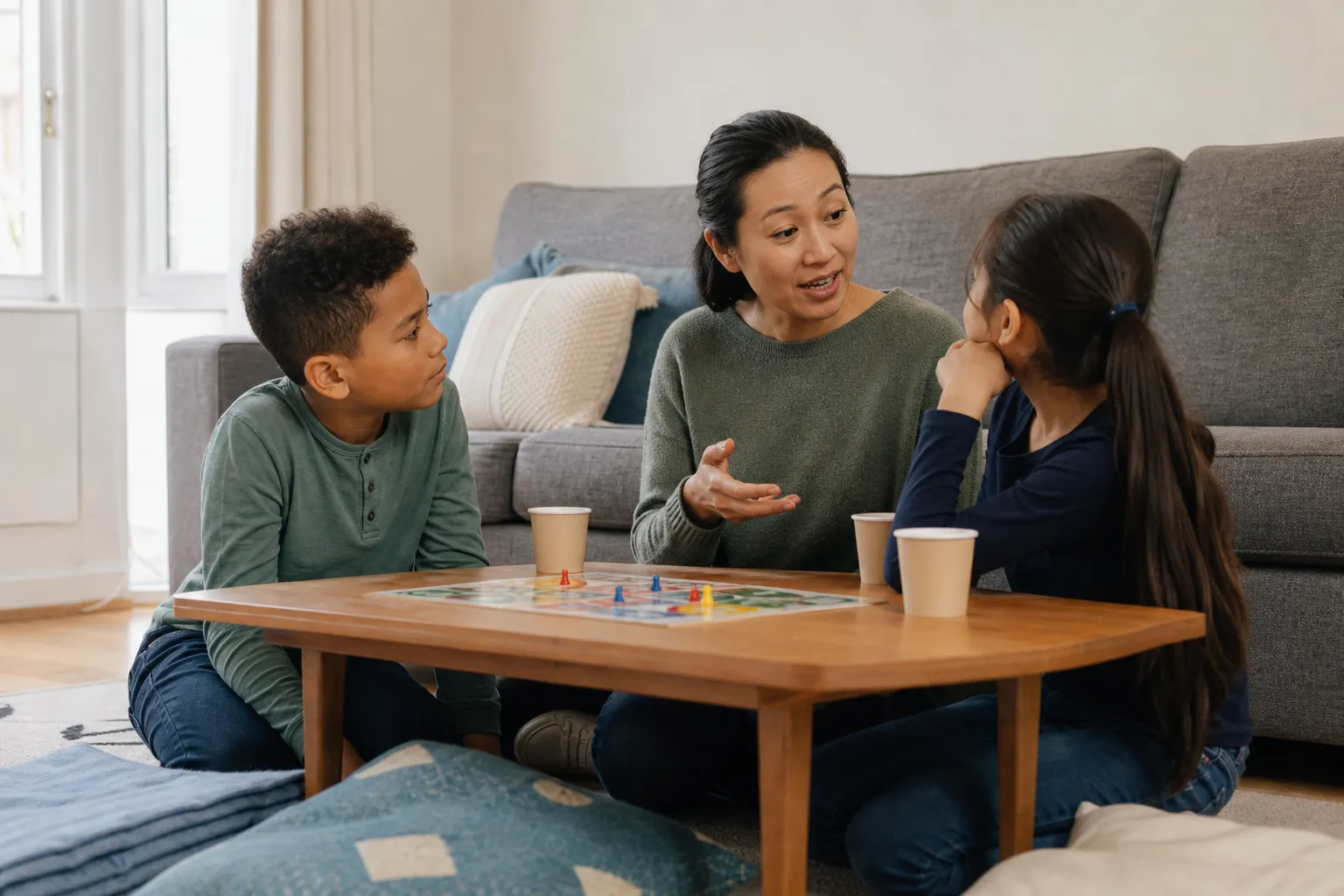
A sleepover is often described as one event, but it can contain many separate moments: arriving at another home, greeting people, joining an activity, eating, getting ready for bed, trying to sleep somewhere unfamiliar, waking up, and leaving. For some autistic children and teens, that density of changes can make an overnight invitation feel exciting, uncertain, overwhelming, or all of these at once. A personalised sleepover social story can give a family a calm way to talk through the actual plan without suggesting that every sleepover will be easy or that the child must stay all night. The useful goal is shared understanding: what is likely to happen, what choices may be available, how the child communicates, and what adults can realistically do if the plan changes.
Why an overnight visit can feel bigger than an ordinary playdate
A sleepover can ask a child or teen to navigate a new social setting for longer than a usual visit. Even when the host is a familiar friend or relative, the overnight portion may involve different household expectations, a different bedtime rhythm, unfamiliar rooms, and less certainty about what comes next. The child may also be aware that other people expect sleepovers to be fun, which can make it harder to say that they are unsure or would prefer a different plan.
For an autistic person, experiences of social activities vary widely. Autism is a neurodevelopmental difference, not a single set of abilities, preferences, or support needs. The Centers for Disease Control and Prevention describes autism spectrum disorder as involving differences in social communication and interaction alongside restricted or repetitive behaviors or interests; those broad descriptions do not predict whether one particular child will enjoy a sleepover. Some autistic children look forward to staying with a close friend. Others may enjoy the gathering but not the overnight stay, want a parent nearby, or decide that daytime visits fit them better.
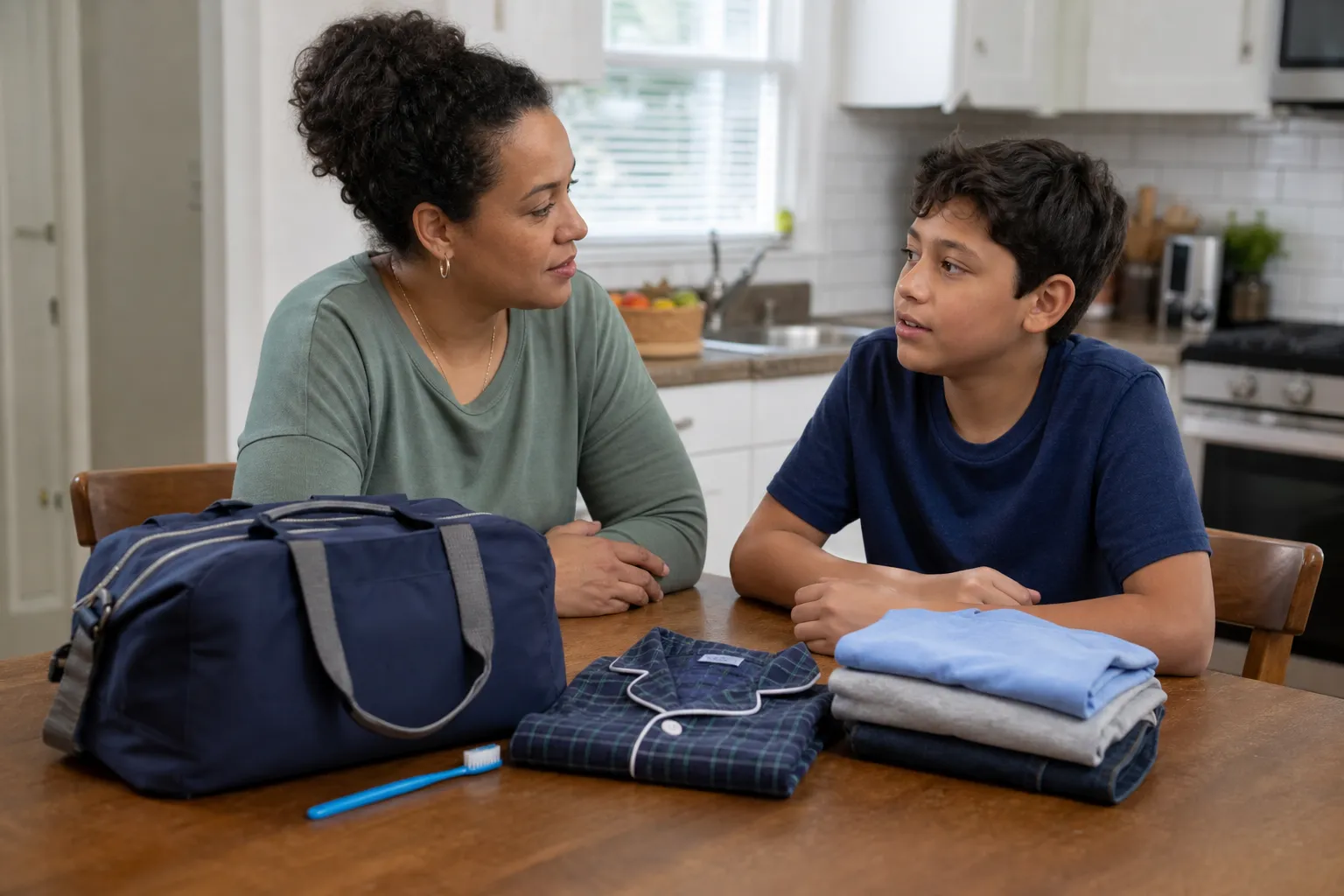
It can help to treat a sleepover as a series of decisions rather than a pass-or-fail test. A child may choose to attend the evening activities and go home before bed, try one night with a trusted relative first, stay only if a pre-agreed plan still feels workable, or decline the invitation. These are possible options, not stages every child needs to complete. A social story for sleepover can name such possibilities plainly, so the child does not have to guess whether leaving early would disappoint everyone.
Possible autism-related experiences to describe without making assumptions
A well-matched autism sleepover social story is specific to the child, the host household, and the event. It does not present autistic traits as problems to erase. Instead, it can acknowledge that a child may want clear information about who will be there, what activities are likely, where people will sleep, and how the morning will work. Another child may care most about whether the plan is allowed to change. The family can include only details that are relevant and known.
Social communication differences may affect how a child interprets an invitation or manages group conversation. For example, a child may not know whether an invitation is flexible, may take a casual comment literally, or may find it difficult to enter a fast-moving conversation with several children. Communication differences can also affect how clearly they express discomfort, tiredness, or a wish to go home. The American Speech-Language-Hearing Association notes that communication disorders can involve difficulties with understanding or using language, speech, or social communication; that information describes a broad area and does not define any individual autistic child.
The story can make room for the child’s own words, gestures, signs, writing, or other usual communication methods. Rather than assuming that they will ask for help in the same way as peers, it can identify who they may talk to and how adults will know they need a break, a question answered, or contact with home. If the child and family use a particular phrase or signal in everyday life, they may decide it belongs in the story. The focus is not on making communication look typical; it is on making communication understood by the people involved.
Anxiety, uncertainty, and the value of honest information
Anxiety can make uncertainty feel especially significant. The Centers for Disease Control and Prevention notes that anxiety can occur in children and can affect how they feel and function. Anxiety is not inevitable for autistic children, and feeling nervous before a new overnight event does not diagnose an anxiety condition. Still, a parent, carer, or educator may notice that a child asks repeated questions, seeks reassurance, avoids discussing the event, or becomes more worried as bedtime approaches. Those reactions can be meaningful communication about uncertainty rather than misbehavior.
A personalised social story can reduce guesswork by separating known details from unknown ones. Known details might include the host’s name, the address, the planned arrival time, which adult will be home, and the expected pickup time. Unknown details might include exactly which game the group will choose, when everyone will fall asleep, or whether plans will change because another family arrives late. Honest wording is important: promising that nobody will be loud, that sleep will happen quickly, or that there will be no surprises can make a story less trustworthy.
The story can also state that changing one’s mind is possible when that is genuinely true. Families may agree in advance on a way to check in, an adult who can be contacted, or a pickup possibility. These choices depend on the child, the host, travel arrangements, and the adults’ capacity; they are not guarantees that every situation can be changed immediately. Saying what is realistically available is more reassuring than offering an open-ended promise. Example sentence for a personalised story: “If I want to go home, I can tell Jordan’s dad or call my dad.”
Routines and predictability: mapping the actual evening and morning
Overnight events often interrupt familiar routines. A child may be comfortable with a friend during the afternoon but find the transition from activity to bedtime difficult because it happens in a different place and with different people. They may want to know the order of events, whether adults expect pajamas at a particular time, where their belongings will go, what happens if they wake during the night, and what the household does in the morning. These questions are reasonable planning questions, not evidence that the child is unwilling to participate.
A sleepover social story can describe the sequence in ordinary, flexible language. It might cover arrival, greetings, the likely evening plan, food if that information is confirmed, preparing for bed, nighttime, waking, breakfast if relevant, and pickup or departure. It can distinguish between a household routine and a fixed rule. For instance, it may explain that the host family usually starts getting ready for bed after an activity, while also noting that the exact time could change. This gives predictability without creating a false promise.
Families may also use the story to talk through practical choices that suit the individual child. Possibilities include bringing familiar overnight belongings, asking the host about a preferred bedtime routine, arranging a brief visit before the sleepover, or choosing a shorter evening visit instead. Whether any option is feasible is a matter for the family and host to discuss. The story can include the option only when adults have agreed it is available, so the child is not asked to rely on an arrangement that has not been confirmed.
Creating a personalised story together
The strongest social story is usually grounded in the real invitation, not in a generic idea of what children are supposed to do at sleepovers. A parent, carer, or educator can start by gathering straightforward details from the host family: who will be present, which adults are responsible, the address and contact information, the approximate start and end times, expected activities, sleeping arrangements, and any household expectations that matter to the child. If a detail is not known, the story can say that it is not known yet or leave it out.
Involve the child as much as they want and can. They may identify the part they are excited about, the part they least understand, and the information that would make the invitation easier to consider. Their contribution may be spoken, written, signed, selected from options, or communicated in another familiar way. A child who does not want to discuss the event immediately may need time; there is no requirement to rehearse a sleepover repeatedly or to decide right away.
Keep the language concrete, respectful, and accurate. Describe other children as individuals, not as people the child needs to copy. Avoid statements that demand a feeling, such as saying the child will enjoy the event or will not be worried. It is more truthful to acknowledge that people can have different feelings and that adults can help answer questions. Example sentence for a personalised story: “I may feel excited, worried, or both before I go.” This is one short example, not a complete social story and not a script for every child.
Planning for communication and reviewing what the child learned
Before the event, adults may choose to share relevant communication information with the host in a respectful, limited way. For example, the host may need to know how the child commonly asks for help, who to contact if there is a problem, and whether a pickup plan exists. The amount of information shared can be guided by the child’s privacy, preferences, age, and the practical needs of the event. Autism does not require a child to disclose personal information to peers in order to attend a social activity.
It may be useful for the story to clarify that the host adult is an available person, not someone the child is bothering by asking a question. It can also explain what the child can do if they do not understand an instruction or are unsure where to go. Some children may be comfortable speaking directly; others may prefer calling or messaging their own adult if that has been agreed. The key is to describe the actual arrangement rather than assuming a communication approach will work for everyone.
Afterward, the family can revisit the experience without judging it by whether the child stayed overnight. They might notice which information was useful, which parts of the plan differed from expectations, and what the child would want explained differently next time. A daytime visit, an early pickup, or a decision not to sleep over can still provide valuable information about the child’s preferences and routines. Updating the social story for a later invitation can make it more accurate, while respecting that the child may make a different choice each time.
Frequently asked questions
What is an autism sleepover social story?
An autism sleepover social story is a short, personalised explanation of a specific overnight visit. It can describe likely events, the people involved, household routines, communication options, and realistic choices if the child feels unsure. It is not a promise that the event will be easy, and it should not pressure a child to attend or stay overnight.
Should a social story say that the child has to stay until morning?
Only if staying until morning is truly the agreed plan and there is no alternative. Even then, it is usually more helpful to explain the reason and the available ways to ask for help than to frame the event as something the child must endure. If early pickup, a call home, or attending only the evening is possible, the story can state that clearly and honestly.
Can a sleepover social story help a child with anxiety?
It may help some children by making the plan more understandable and by reducing uncertainty about practical details. It is not a treatment for anxiety, and it cannot guarantee that anxiety will go away. If anxiety is persistent, intense, or affects daily life, a family may wish to discuss their concerns with an appropriately qualified health or mental health professional.
Keep exploring
Related social stories
These guides cover situations with similar routines, sensory details or preparation needs.
Learn more about writing a social story
Read what a social story is, follow the step-by-step writing guide, or browse more social story examples.
Sources
- Autism spectrum disorder — Centers for Disease Control and Prevention
- Anxiety and depression in children — Centers for Disease Control and Prevention
- Communication disorders — American Speech-Language-Hearing Association
